Tesla may launch its Cybercab robotaxi as early as August. What's wrong with it?
The new car is useless without an autonomous driving system, which Tesla has not yet been able to get to work on a large fleet of vehicles

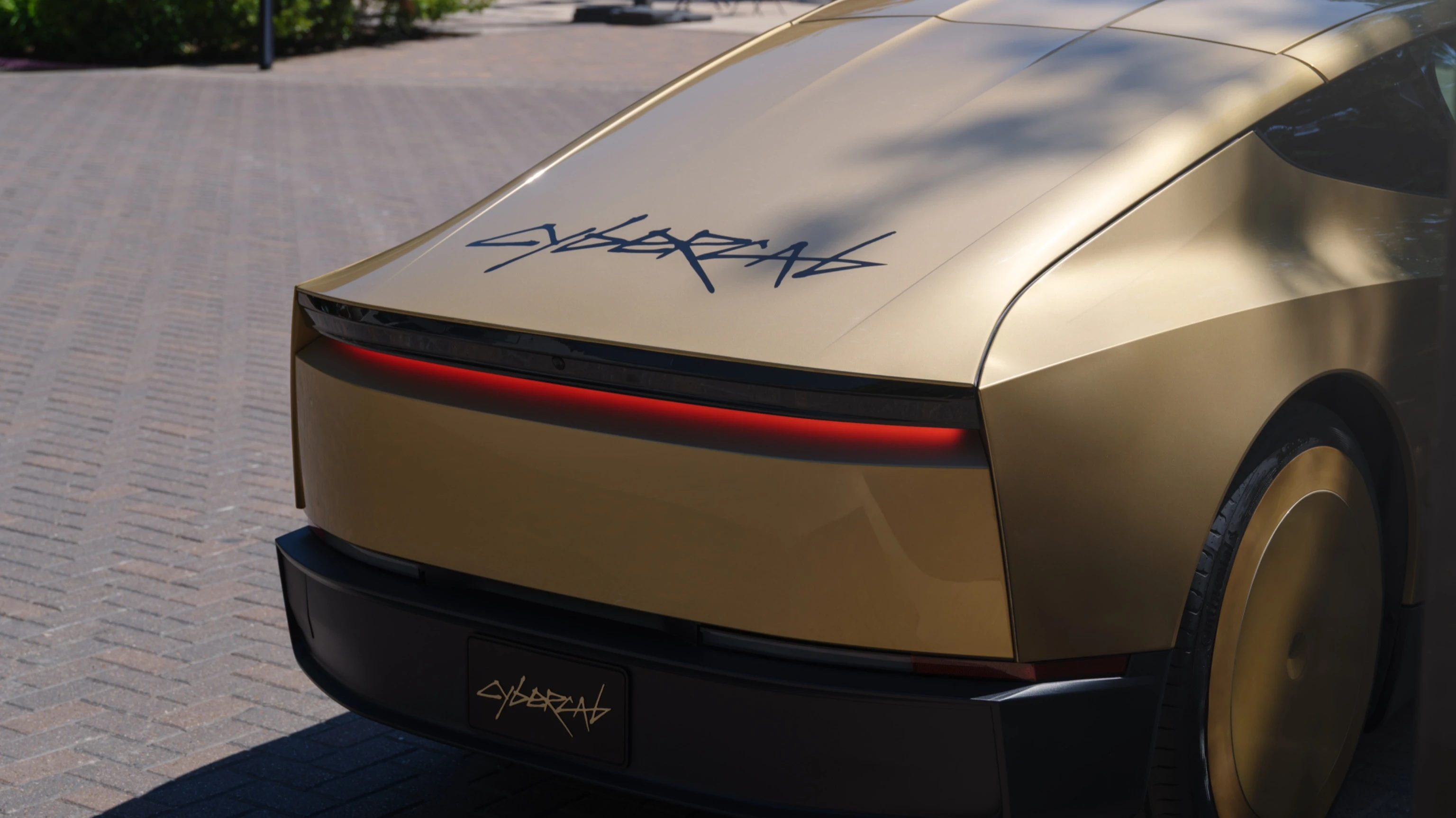
Tesla may put the Cybercab on the roads of Austin, Texas, as early as the end of August—it will be the company’s first car without a steering wheel or pedals, Reuters reports, citing The Information. However, according to the website Electrek, the new model has a problem—its autonomous driving system: without it, the Cybercab is practically useless, and Tesla has not yet proven that the technology can work on a large fleet of vehicles.
Cybercab will start with its employees
According to The Information, as cited by Reuters, Cybercab rides will initially be offered to Tesla employees, though the vehicles will be available on public roads. In a few days, the model will begin operating as part of a robotaxi service in Austin. The company hopes to meet this deadline by the end of August, but the launch may be postponed.
The production version of the Cybercab has been undergoing testing on public roads since June, according to The Information. Production is expected to ramp up later in 2026. Assembly at Tesla’s Gigafactory Texas began in February, and by July, more than 100 vehicles had been assembled at the plant, according to Electrek. Last week, Tesla demonstrated to local emergency services how to remove the vehicle from the road, and this week, it launched a giveaway on social media platform X for invitations to an event celebrating the Cybercab’s launch, the publication added.
The production version of the Cybercab has been undergoing testing on public roads since June, according to The Information. Production is expected to ramp up later in 2026. Assembly at Tesla’s Gigafactory Texas began in February, and by July, more than 100 vehicles had been assembled at the plant, according to Electrek. Last week, Tesla demonstrated to local emergency services how to remove the vehicle from the road, and this week, it launched a giveaway on social media platform X for invitations to an event celebrating the Cybercab’s launch, the publication added.
It's all about the software
The two-seater Cybercab has no steering wheel or brake pedal, so passengers cannot take control of the vehicle. Tesla claims that operators monitor the vehicles remotely and can take control if necessary.
The Cybercab is equipped with nearly the same hardware and software as the Model Y, which Tesla is already using as self-driving taxis in Texas and Florida. Therefore, the new model alone will not change Tesla’s capabilities in autonomous driving, according to Electrek.
Its reliance on an autonomous driving system is hindering sales of the Cybercab to private buyers. Musk unveiled the model in 2024 as a car priced under $30,000, but it is still not available for purchase. Without a steering wheel or pedals, it can only operate in small areas in Austin, Dallas, Houston, Miami, Tampa, and Orlando, where Tesla has tested the software, according to Electrek.
In Pursuit of Waymo
In terms of cumulative autonomous driving mileage, Tesla lags behind its competitor Waymo (owned by Alphabet) by approximately 580 times. In its July report, Elon Musk’s company reported that its driverless robotaxis had traveled 380,000 miles (611,550 km). Waymo, whose commercial robotaxi service has been operating since 2020, has surpassed 220 million miles (354 million km).
Tesla doesn't have a large fleet yet either. There are 186 Model Y-based robotaxis registered in Austin, but only about 17 are operating without a safety operator on board—down from about 25 in the spring, according to Electrek.
Market Reaction
Tesla shares were down more than 1.5% in pre-market trading in New York on August 18, falling below $334 per share. Since the beginning of 2026, the world’s most valuable automaker has lost about a quarter of its market value.
According to MarketScreener, Stifel and RBC reaffirmed their “Buy” ratings on Tesla shares this month. UBS and Jefferies reported that they continue to rate the stock as “Neutral.” RBC and UBS maintained their price targets at $480 and $385, respectively. Stifel lowered its target from $508 to $491, while Jefferies lowered its target from $400 to $350.
According to S&P Global data cited by MarketScreener, the consensus among 47 analysts on Tesla stock is “Outperform.” The average price target of $395 per share implies a 16.5% increase from the August 17 closing price.
This article was AI-translated and verified by a human editor