L'Oréal's sales exceeded expectations. Has high-end cosmetics proven to be more resilient than luxury goods?

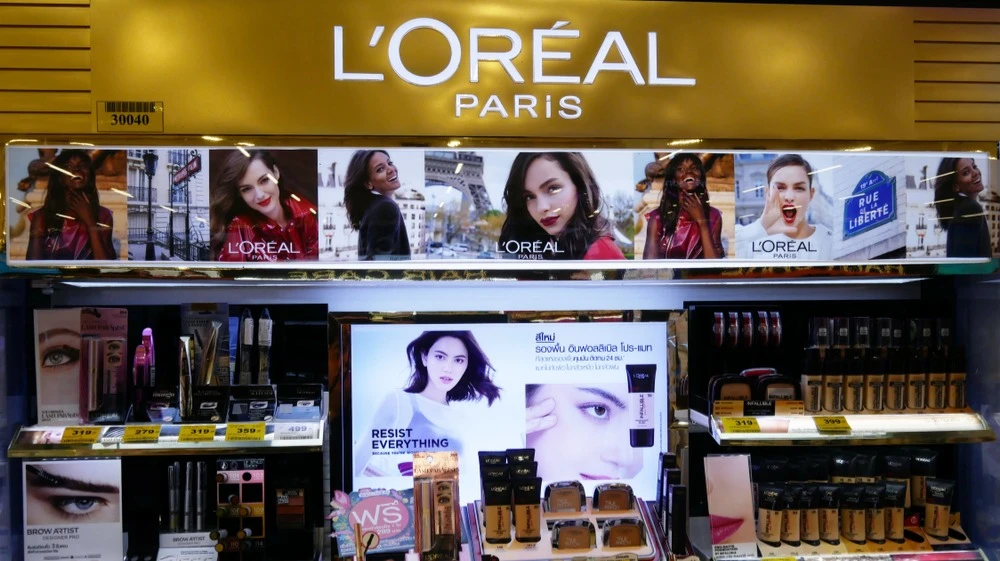
L'Oréal's third-quarter sales exceeded analysts' expectations / Photo: Shutterstock.com / chanonnat srisura
French beauty giant L'Oréal, which owns brands such as Maybelline, Garnier, and La Roche-Posay, increased sales by 7.7% in the third quarter, exceeding analysts’ expectations thanks to strong demand for premium cosmetics and hair care products. The company posted particularly strong results in China and Europe.
Details
L'Oréal's sales rose 7.7% to €11.56 billion, according to its quarterly report. Analysts surveyed by Visible Alpha had expected growth of only 5.9%, Reuters reports.
Sales in the professional products division, which serves hair salons and beauty salons, as well as in the dermatological cosmetics segment, grew at double-digit rates. The luxury segment, which accounts for more than a third of the group’s revenue, posted 7% growth, outperforming market estimates of 4.5%. Demand for fragrances, including Prada Paradigme, and accelerating sales in China supported this division’s results.
In the North Asia region, which includes China, sales jumped 7.8%—more than 3 percentage points better than analysts’ expectations. In Europe, L’Oréal’s largest market, growth reached nearly 9%. In the region comprising India, South Africa, and the UAE, revenue grew at a double-digit rate. This helped offset weak results in Latin America, according to Bloomberg.
L'Oréal CEO Nicolas Hieronymus said the company expects to grow faster than the global cosmetics market this year, “albeit by a slightly more modest margin.”
L'Oréal's depositary receipts rose by more than 7% during trading in the U.S. on October 22. The French giant’s market value has increased by 12.6% this year, allowing it to top the list of the country’s most valuable publicly traded companies, ahead of the luxury conglomerate LVMH. L'Oréal is now the third-most-valuable company in the EU.
What Sets the Company Apart
While the luxury goods industry is under pressure, consumers—even those with limited incomes—continue to splurge on small indulgences, such as skincare products, Bloomberg explains, citing L'Oréal's results. Some analysts call this the “lipstick effect”—when people treat themselves to affordable luxuries during difficult times, Reuters reports.
In recent years, the company has intensified its focus on the premium segment: it has expanded its lineup of popular fragrances with branded perfumes from fashion houses and launched new hair care products under the professional salon brand Kérastase. As a result, its broad product range—from affordable Garnier shampoos to high-end products from Aesop and SkinCeuticals—allows the company to reach customers with varying budgets and benefit from growing demand in China, notes Bloomberg.
The Chinese cosmetics market is rebounding after two years of decline, according to Reuters. Middle-class consumers are shifting their spending from relatively affordable luxury items to premium skincare and makeup products. While manufacturers of high-end clothing and leather goods are struggling due to weak demand in China, L’Oréal is boosting its sales.
"These are very strong results," said David Hayes, an analyst at Jefferies, in his assessment of the report. "The improvement in performance is particularly noticeable in China and Europe, which has accelerated growth in the luxury division."
This article was AI-translated and verified by a human editor