North Sea oil trades at a discount for the first time since the Iran war began

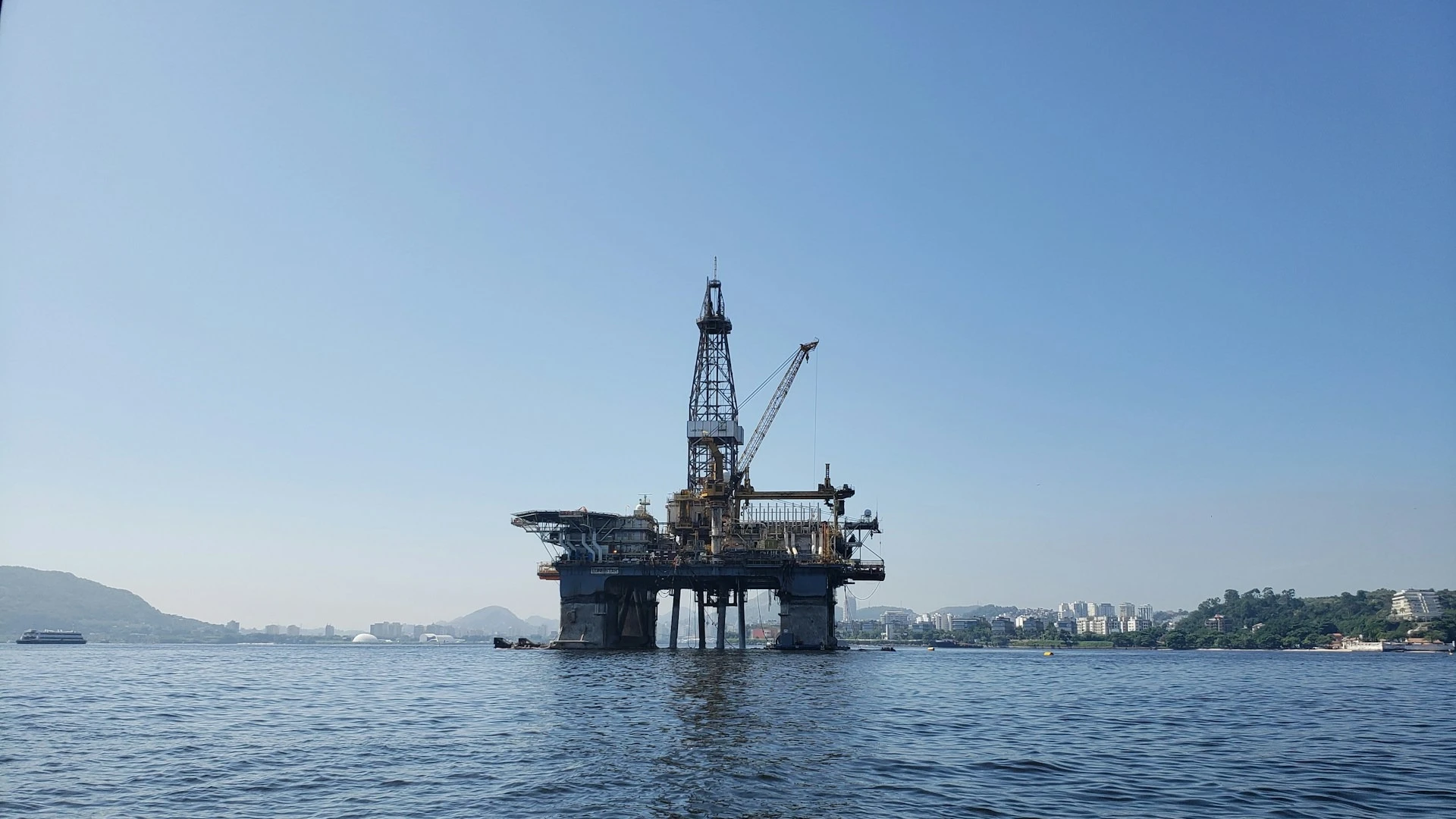
In April, amid the war, the cost of Forties crude oil surpassed record levels prior to the 2008 financial crisis / Photo: unsplash.com / Bernardo Ferrari
The North Sea Forties crude oil grade, on the basis of which Dated Brent is calculated - a global price benchmark for physical oil with quick delivery - began trading at a discount to the benchmark for the first time since the start of the war in the Middle East. This may indicate the easing of concerns about oil shortages in Europe, Bloomberg writes.
Details
On Tuesday, Ma. 12, commodity trader Vitol bought a batch of Forties oil from Italy's Eni at a discount of 30 cents per barrel against Dated Brent within the Platts price window, Bloomberg writes. The last time such a situation was observed on February 27 - a day before the beginning of the war between the U.S. and Israel with Iran and the subsequent closure of the Strait of Hormuz. In April, amid the conflict, the cost of Forties oil exceeded the record levels preceding the financial crisis of 2008.
The disappearance of the North Sea oil premium shows that the European market has proved more resilient than investors feared in the first weeks of the war, Bloomberg notes. Europe imports relatively small volumes of oil from the Middle East and has been able to offset supply disruptions due to the closure of the Strait of Hormuz at the expense of other regions. More cargoes from the North Sea, Caspian region and Azerbaijan now stay in Europe instead of being shipped to Asia, said unnamed traders cited by Bloomberg. Shipments between the Atlantic and the Asian market remain uneconomic and imports from China continue to slow, they said.
At the same time, oil supplies from the U.S. are growing, including some barrels from the strategic oil reserve, the agency's interlocutors say. Additional volumes are also being redirected to Europe by producers from West Africa and Latin America, Bloomberg writes with reference to traders.
Context
After the start of the war in Iran, the market feared a large-scale shortage of oil due to the closure of the Strait of Hormuz - one of the key routes for global trade in raw materials. Against this background, the cost of Brent was rising above $126 per barrel, and traders were laying down the risk of a sharp reduction in global supplies.
Later, however, some of these fears began to subside as the market concluded that the global supply system was more flexible than expected: record utilization of strategic oil reserves, pipeline exports by Saudi Arabia and the UAE bypassing the Strait of Hormuz, sharply increased supplies from the US and atypical Chinese sales of its own crude on global markets helped contain price increases.
Nevertheless, analysts and traders surveyed by Bloomberg warn that the weakness in the North Sea crude market may be temporary. If the conflict in the Middle East drags on or leads to new supply disruptions, physical oil premiums could quickly return to growth.
This article was AI-translated and verified by a human editor