North Sea oil prices hit a new high due to the blockade of the Strait of Hormuz

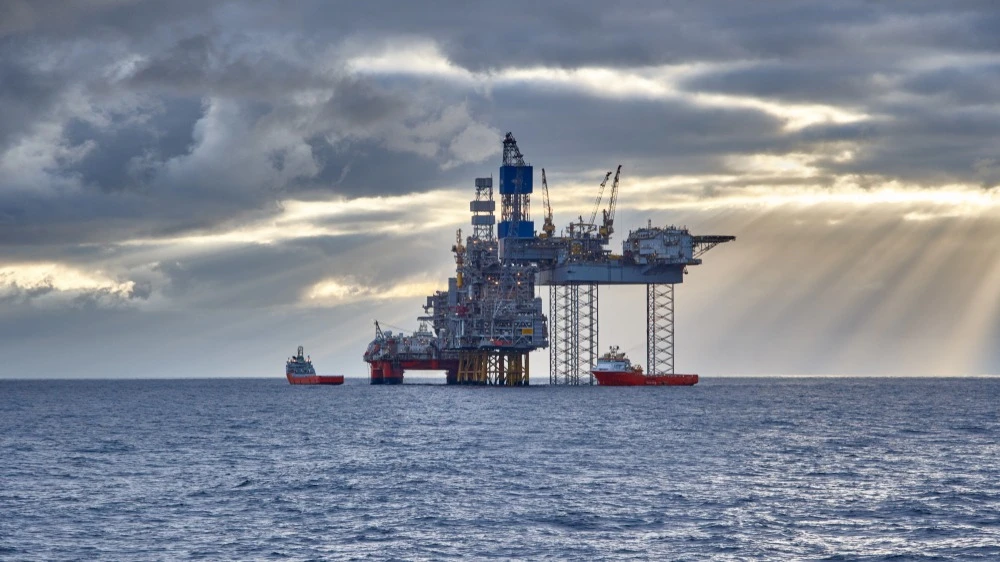
The oil grade, which serves as a benchmark for deliveries with immediate shipment, rose to almost $147 per barrel the previous day despite the US-Iran deal / Photo: Igor Hotinsky / Shutterstock
Physical North Sea crude oil prices rose to a record high on the back of Iran's continued control of the Strait of Hormuz, adding to market anxiety, says the Financial Times (FT).
Details
Forties Blend, which serves as a benchmark for oil supplies with immediate shipment, rose in price to nearly $147 a barrel on Thursday, April 9, surpassing record levels before the 2008 financial crisis, LSEG data show. Traders are actively competing for shipments of oil in a bid to make up for the huge volumes of supply now stranded in the Gulf, the FT writes.
Physical shipments of North Sea crude oil traded the day before well above June futures for the international benchmark Brent (they cost about $97 per barrel), reflecting growing fears of a supply shortage in the market, the newspaper points out. The Dated Brent indicator, which reflects the cost of physical supplies of oil from the North Sea (including Forties Blend), rose 7% to $131.96 per barrel on April 9, partially recovering the previous day's fall after the announcement of a two-week truce between the U.S. and Iran, according to Platts data.
June Brent futures for April 10 are trading at $96.7 a barrel, while U.S. WTI crude for delivery in May is up 0.5% to $98.4.
A frenzy of demand for oil the day before disrupted the work of one of the key mechanisms of the market, writes the Financial Times. Traders complained that transactions on Brent contracts for difference (CFD) for the next week (tracking the difference between the spot price of Brent and futures for this Mark of oil) became impossible after the price difference exceeded $30 per barrel - set by the Intercontinental Exchange (ICE) threshold for such transactions, reports the edition.
Some market participants noted that they had not previously encountered a situation where CFDs could not be traded, adding that some transactions now take place off the exchange floor. ICE did not respond to the FT's request for comment.
What's happening in the oil market
Despite US President Donald Trump's statements about the imminent opening of shipping through the Strait of Hormuz, rising tensions in the oil market point to a worsening global energy crisis, the FT notes. Since a two-week truce was declared on April 7, only a handful of ships have passed through the strait, most of them Iranian-linked. Iran, meanwhile, insists that the agreement with the US allows it to retain control of the strait: ships must obtain permission from the Islamic Revolutionary Guard Corps and pay for passage. Just hours after the cessation of hostilities agreement, Tehran halted the passage of oil tankers in response to Israeli strikes on Lebanon.
Asia remains the most vulnerable to disruptions, as about 80% of oil and petroleum product shipments through the Strait of Hormuz are imports from countries in the region.
An additional signal of tension in the oil market was the statement of Saudi Arabia on April 9 about the reduction of oil production by 600 thousand barrels per day due to the recent attacks on the energy infrastructure of the country.
What the market is saying
"If this [the blockade of the Strait of Hormuz] lasts a few more days, the market may decide, the Strait is closed indefinitely, which will lead not only to higher prices but also to a crisis in Asia," said Amos Hochstein, a former energy adviser to former US President Joe Biden (quoted by the FT). It is not just about high prices, he warned: "We are already seeing a real physical supply shortage," he added.
The supply shortage "in the physical market will continue until ships start passing through the Strait of Hormuz," warned Dennis Kissler, senior vice president of BOK Financial's trading division. He said, "The futures market may decline, but the physical market will remain tight because even after the Strait opens, it will take about 20 days to clear logistical disruptions."
Prices in the futures market are a "lagging indicator of the reality of the physical market in the Middle East," said Helima Croft, head of commodities strategy at RBC Capital Markets.
This article was AI-translated and verified by a human editor