Nvidia lost $669 billion in market capitalization over 6 trading days. When will the decline end?

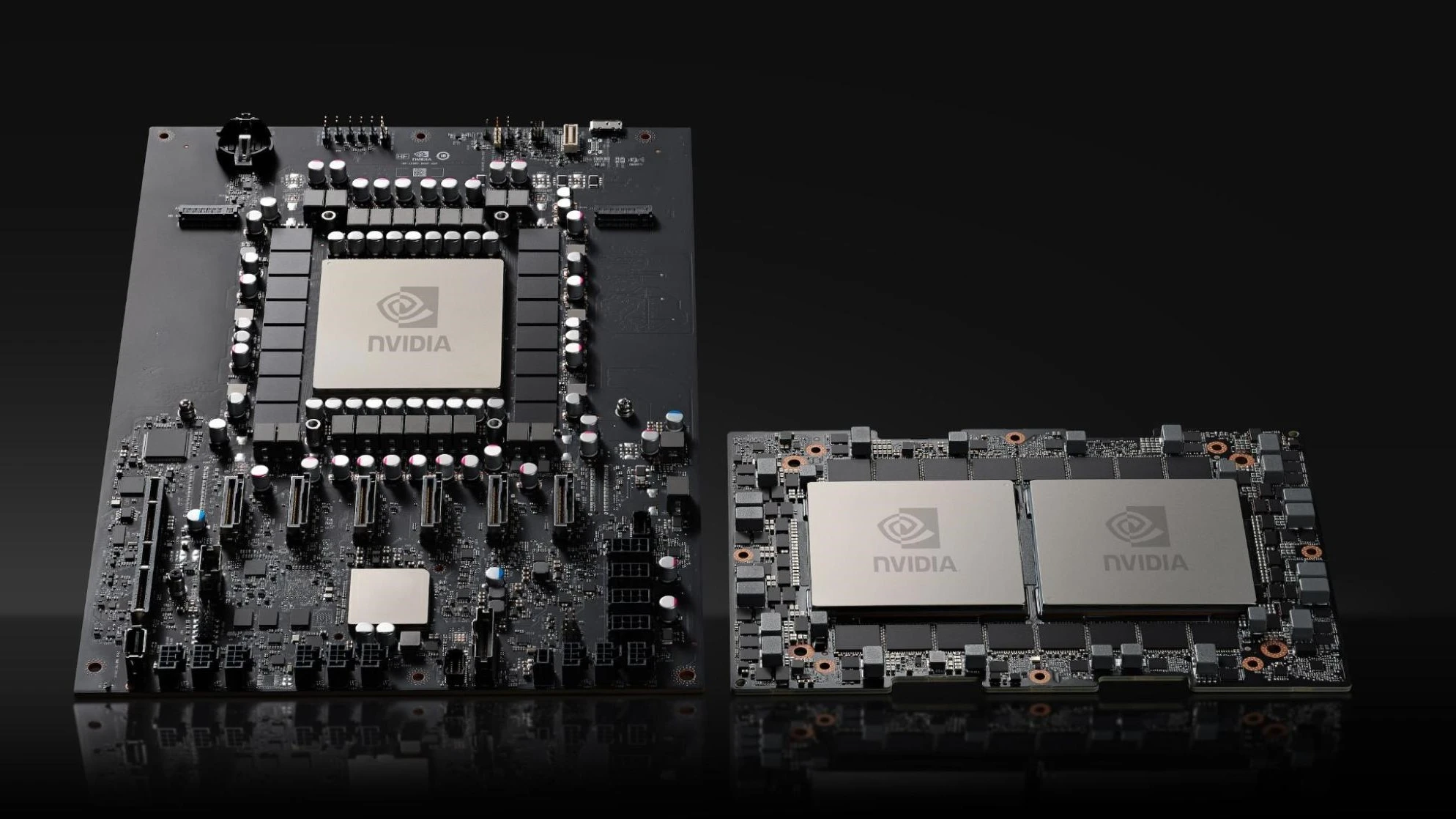
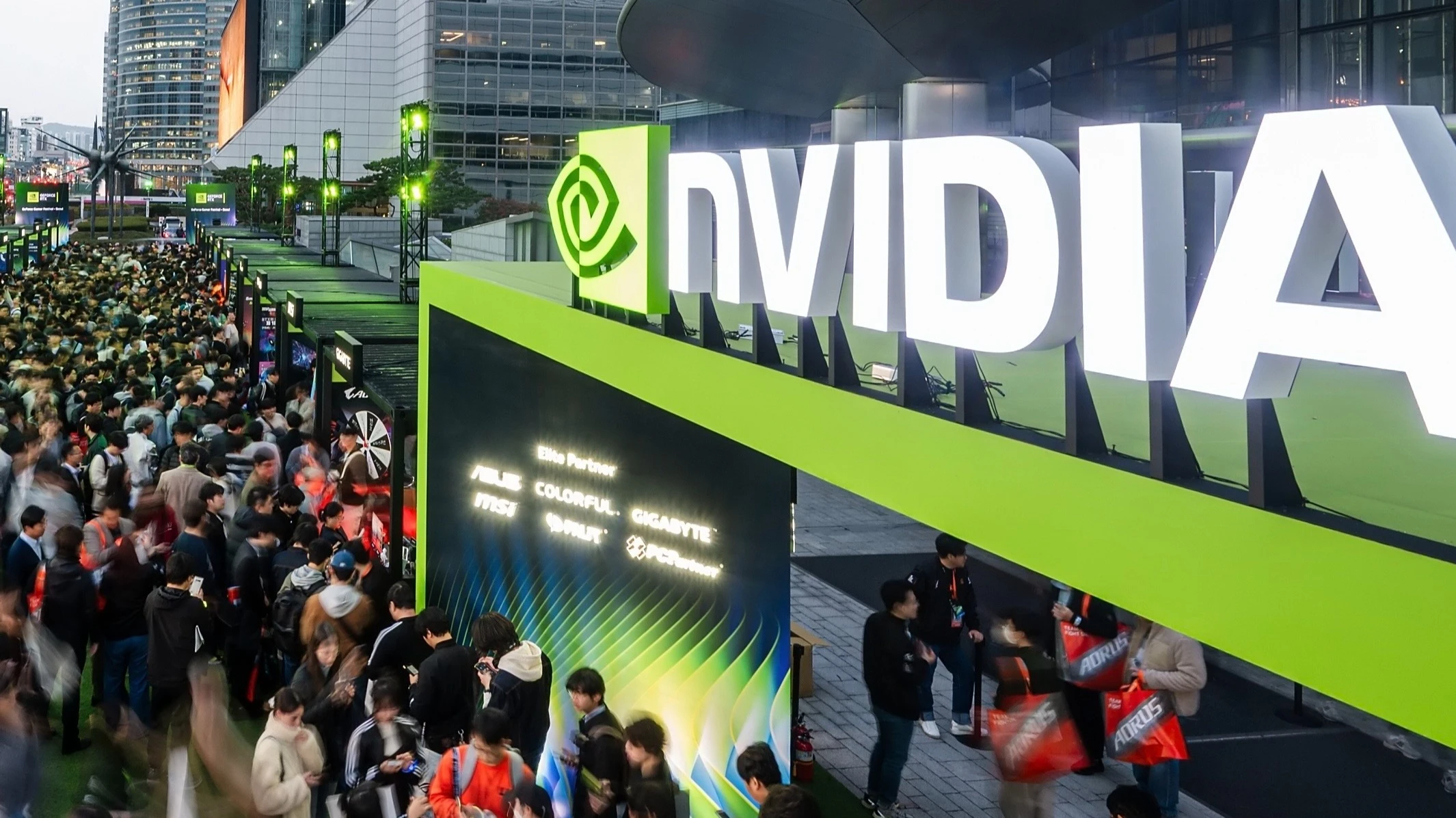
At the close of trading on November 20, Nvidia was valued at $3.5 trillion, although as recently as October 6, at its peak, it had approached $6 trillion / Photo: Nvidia
Nvidia shares fell 3.3% on Thursday, November 19, dropping to their lowest level since June 2025. The stock has fallen for the sixth consecutive trading session. In total, the company’s market capitalization has declined by approximately $669 billion over the past few days, according to MarketWatch. The company is now valued at $3.5 trillion, although as recently as October 6, at its peak, it was approaching $6 trillion.
Nvidia's stock is currently trading 22% lower than it was at the start of the year. Not even a better-than-expected earnings report and an upward revision to the revenue growth forecast for the next fiscal year were able to give the stock a boost. Is now a good time to buy Nvidia stock?
What They're Saying on Wall Street
— “I don’t think the string of declines is over yet,” Iskandar Rakhmatov, a portfolio manager at Zeus Quanto, a quantitative investment research platform, told MarketWatch. He cited several factors putting pressure on stocks. One of them is the decision by the rating agency Moody’s, which on Wednesday downgraded its outlook on Nvidia’s credit rating from “positive” to “stable.”
“This is not a downgrade of the credit rating itself, and no one doubts Nvidia’s ability to repay its debts. But now the issue of the lack of a permanent CEO has been officially confirmed,” Rakhmatov noted. According to the analyst, uncertainty surrounding Nvidia’s leadership in light of Jensen Huang’s resignation, as well as the company’s relationship with China, is putting pressure on the stock price. “Until a new CEO is appointed and the board of directors’ investigation is concluded, investors will value the company’s shares at a discount,” Rakhmatov emphasized.
— “The market has faced one of the most significant reductions in recent years in risky positions in stocks of growth companies and AI industry players,” noted Shey Bolur, chief market strategist at Futurum Equities. Nvidia’s stock fell nearly 30%, despite “exceptional” financial results for the last quarter and the company’s upward revision of its full-year forecast.
Bolur advises investors to “separate what’s happening with Nvidia’s stock from what’s happening with its business,” MarketWatch reports. According to the analyst, there is virtually no evidence of a slowdown in demand for computing power. In particular, rental rates for graphics processing units continue to rise.
“I still consider Nvidia one of the most important companies in the artificial intelligence economy. But that doesn’t automatically mean its stock can serve as a safe-haven asset as long as these questions remain unanswered,” Bolur said.
— Following Huang’s resignation, Nvidia may face an exodus of key technical specialists, according to Brad Gasworth, head of the analytics division at Circular Technology. He expects AMD, Broadcom, hyperscalers, and AI startups to begin actively poaching Nvidia engineers. “The loss of even 5–10 top technical leaders could have disproportionately serious consequences, especially if they are responsible for architectural decisions or coordinating the transition to new product generations,” Business Insider quotes the analyst as saying. According to Gastvirt, Huang’s departure could deprive Nvidia not only of some of its technical expertise but also of the strategic vision that has allowed the company to stay ahead of its competitors for years.
— Anthropic’s IPO could be a positive development for Nvidia, although it alone is not enough to restore investor confidence in the AI sector, says Luke Lango, an independent technology analyst and editor of the Innovation Investor newsletter. In his view, the fundamental problem lies in the reduced availability of capital to finance AI infrastructure. “The flow of money into the AI industry is still open, but it’s nowhere near as strong as it used to be,” The Wall Street Journal quotes Lango as saying. According to him, this is particularly relevant for Nvidia, as its sales outlook is closely tied to its customers’ ability to continue funding the construction of data centers.
This article was AI-translated and verified by a human editor