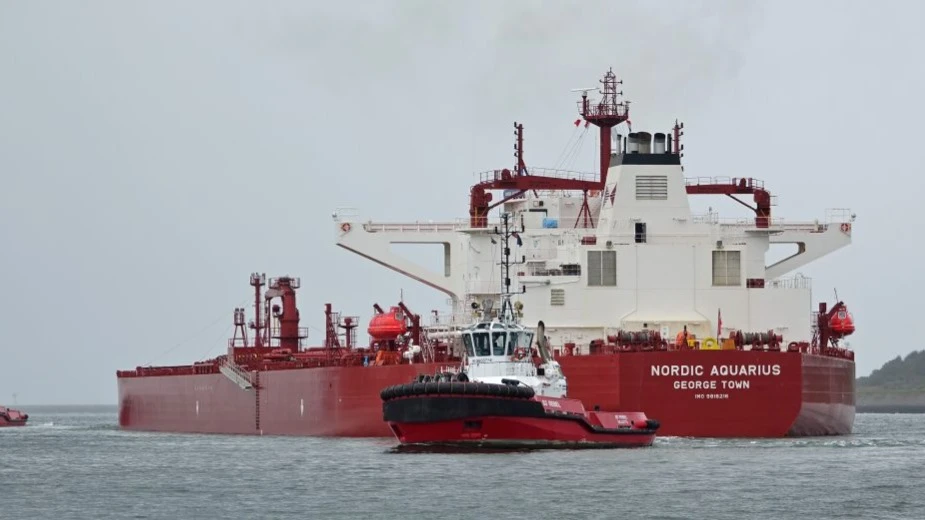
Oil prices surged past $90 following a U.S. attack on an Iranian island near the Strait of Hormuz
This is the first known U.S. strike against Iran in more than a month

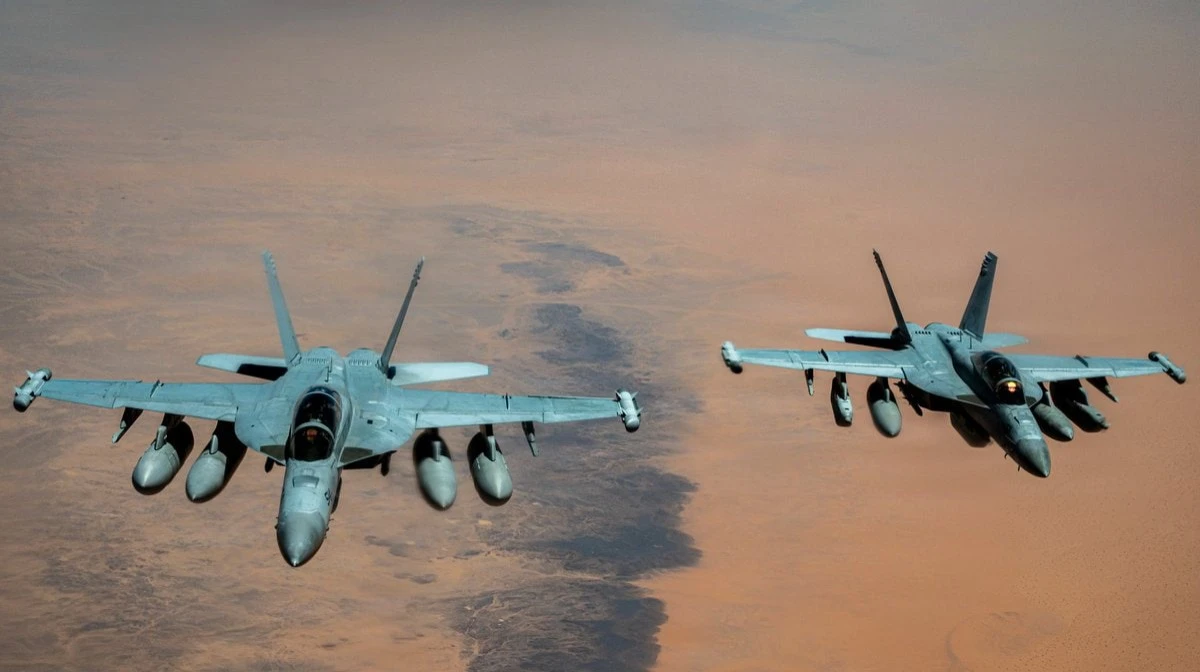
Tehran is forcing ships to follow a corridor controlled by the IRGC—through Iranian territorial waters north of Larak Island / Photo: X / CENTCOM
Oil prices rose by more than 2% on Monday, August 31, after the U.S. attacked the Iranian island of Larak in the Strait of Hormuz and Tehran launched a retaliatory strike. Brent futures rose above $90 per barrel, while North American WTI crude traded above $85.
Despite the spike, Brent and WTI may end August slightly below their levels at the start of the month. Over the past week, both benchmark grades fell by more than 4%—for the first time in three weeks, Reuters notes.
On August 30, U.S. forces struck two launchers on Larak, The Wall Street Journal reports, citing U.S. Central Command. This is a small island in the Persian Gulf off the coast of Iran, where Tehran has established an unofficial checkpoint for charging tankers for passage through the Strait of Hormuz. The Islamic Revolutionary Guard Corps uses it to monitor ship traffic.
In response, Iran launched strikes against two U.S. air bases in Jordan, according to Iranian media reports citing the Islamic Revolutionary Guard Corps.
Prior to this, the U.S. military had not reported any attacks on Iran for over a month: the previous one was confirmed on July 29—shortly before President Donald Trump, at the request of Washington’s allies in the Persian Gulf, ordered a halt to the strikes to give diplomats another chance.
What's next?
“It looks like we’ve entered another phase of escalation. It’s impossible to say how long it will last—a few days or a few weeks,” said IG analyst Tony Sycamore. According to his assessment, if the rally pushes WTI above the resistance level of $85.8–85.9 per barrel, prices will be on track first to last week’s high of $87.69 and then to July’s peak of $93.50, according to Reuters.
“It’s almost impossible to imagine a worse moment for the markets,” wrote Stephen Innes, managing partner at SPI Asset Management. According to Innes, oil does not need to return to crisis levels; it simply needs to remain expensive enough to prevent inflation from behaving“as neatly as the Federal Reservewould like.” Market participants are now particularly sensitive to every additional dollar in the price of oil, as they “have suddenly begun to consider the possibility of yet another rate hike,” MarketWatch quotes him as saying.
The prospects for an agreement to resume shipping through the Strait of Hormuz remain unclear. At the same time, the increase in oil flows through the strait is easing concerns about supply disruptions, according to ANZ analysts. Shipping companies, however, remain cautious. Over the weekend, the number of vessels carrying raw materials and with transponders activated that passed through the strait dropped to five per day, Reuters reports, citing publicly available data.
This article was AI-translated and verified by a human editor