"Worsha was seen as a hawk": The market sharply raised expectations for a rate hike in September
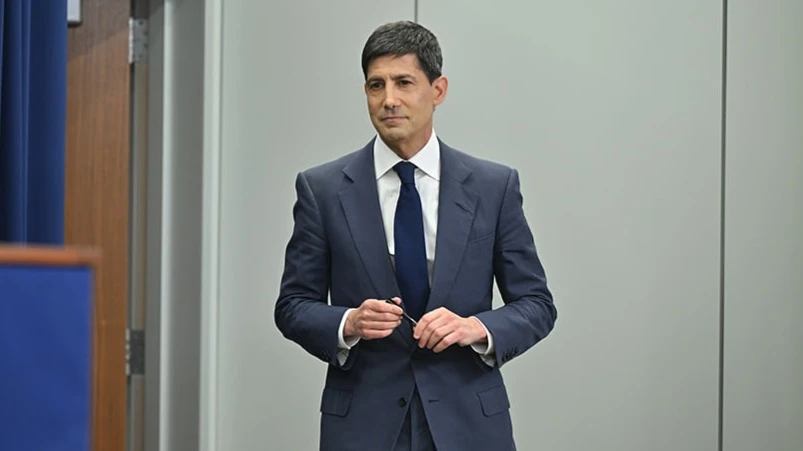
Following Fed Chair Kevin Warsh's remarks on August 28, traders began pricing in a nearly 60 percent probability of a rate hike in September / Photo: X / Federal Reserve
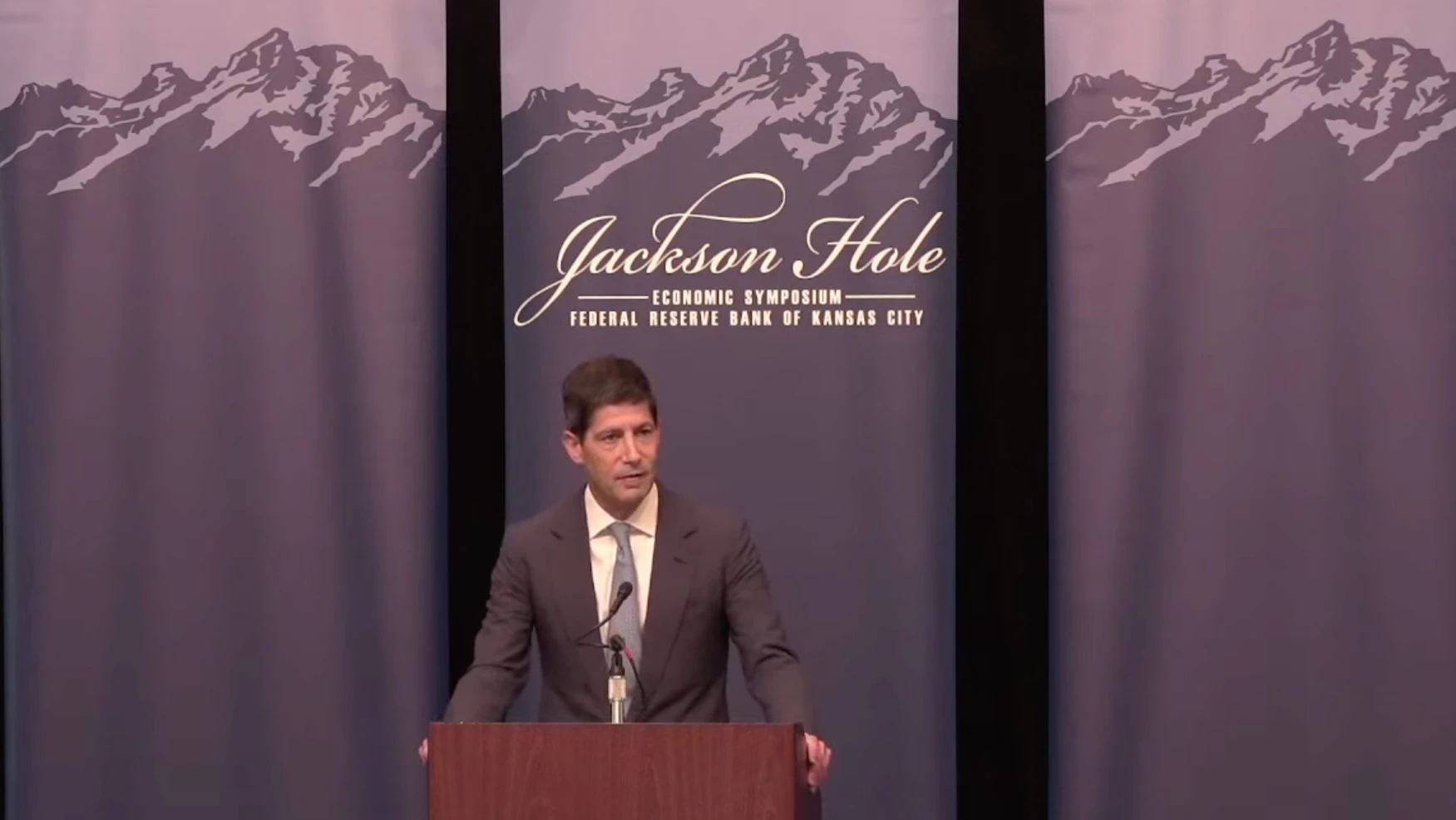
A speech by U.S. Federal Reserve Chair Kevin Warsh at the Jackson Hole symposium has shifted market expectations. The probability of an interest rate hike at the Fed’s next meeting in September is now estimated at nearly 60%, according to data from the CME Group’s FedWatch tool. Just the day before, it stood at only 35%.
Warsh stated that elevated inflation should remain the Federal Reserve’s primary focus, and that current financial conditions cannot be described as restrictive. He emphasized that short-term interest rates are the primary tool for achieving the Fed’s objectives. Some analysts believe the remarks were more hawkish than expected.
Major U.S. stock market indices were volatile following the speech. Two hours before the close, they were trading in the red: the S&P 500 fell 0.3%, the Nasdaq Composite dropped 0.5%, and the Dow Jones Industrial Average edged lower.
What They're Saying on Wall Street
— “Investors perceived him [Warsh] as a hawk. “He hinted at a certain sense of urgency” regarding “taming inflation,” said Shi Yan Cao, a portfolio manager at the hedge fund Winshore Capital Partners, according to Bloomberg.
— TD Securities strategist Molly Brooks agrees that the markets interpreted Warsh’s comments as somewhat more hawkish than before. Yields on two-year U.S. Treasuries rose by 12 basis points, on 10-year Treasuries by about 5 basis points, while yields on 30-year Treasuries rose by less than 2 basis points. This muted reaction at the long end of the yield curve, she said, suggests that investors saw the Fed’s willingness to fight inflation. “Now all attention is shifting to the upcoming data. If next week we see data showing a stable or stronger labor market, followed by higher inflation, this could signal that Warsh is also ready to act,” Brooks said. The consumer price index for August will be released on September 11, and the Fed meeting will take place on September 15–16.
— “If the Fed does raise interest rates, we believe the market may begin to price in more hikes than are currently anticipated,” noted Bloomberg Intelligence strategist Ira Jersey. — “If traders assess the probability of a September rate hike at more than 50%, even the Fed’s decision to leave rates unchanged would come as a surprise (...) Warsh is starting to paint himself into a corner. Since [his] inflation target really is 2%, a rate hike is necessary."
— “Call it what you will, but these are precisely the forward-looking indicators the market had been expecting from the July meeting of the Federal Open Market Committee. Warsh goes far beyond expectations, downplaying the significance of wage growth and asserting that monetary policy is not actually tight. This is quite a sharp, 180-degree turnaround,” Bloomberg quotes George Catrambone, head of fixed income at DWS Americas, as saying.
— “Although we expect incoming economic data to improve, the risk of a rate hike in September has increased,” comments Sima Sha of Principal Asset Management. — “The market’s positive reaction shows that investors highly value clarity in monetary policy, even if that clarity sends a more hawkish signal.”
— But Eugene Epstein, head of trading and structured products at Moneycorp, had a different take: “I feel like this is the fourth—or maybe even the fifth—time I’ve heard him give the same speech. He’s saying again that, yes, they’ll be focused on inflation. He’s not giving any guidance on next steps, but inflation isn’t moving in the direction they’d like to see it go.”
Context
At the Fed's July meeting, interest rates were left unchanged. However, as the minutes released later showed, several officials advocated for a rate hike, and many noted that a tightening of monetary policy would be necessary if inflation did not subside.
Worsha was criticized for his remarks at the press conference following the meeting: According to economists and market participants, he failed to clearly explain the committee’s position, avoided giving any hints about future policy, and even left open the possibility of changing the inflation target, Bloomberg notes. Warsh’s cautious communication strategy was one of the reasons for a massive sell-off of Treasury bonds, the agency reports. Confidence that the Fed is committed to keeping inflation in check has weakened, and long-term bond yields have soared to nearly a two-decade high.
This article was AI-translated and verified by a human editor