Ominous dynamics: BofA sees 3 signs in the market before the 2008 crisis

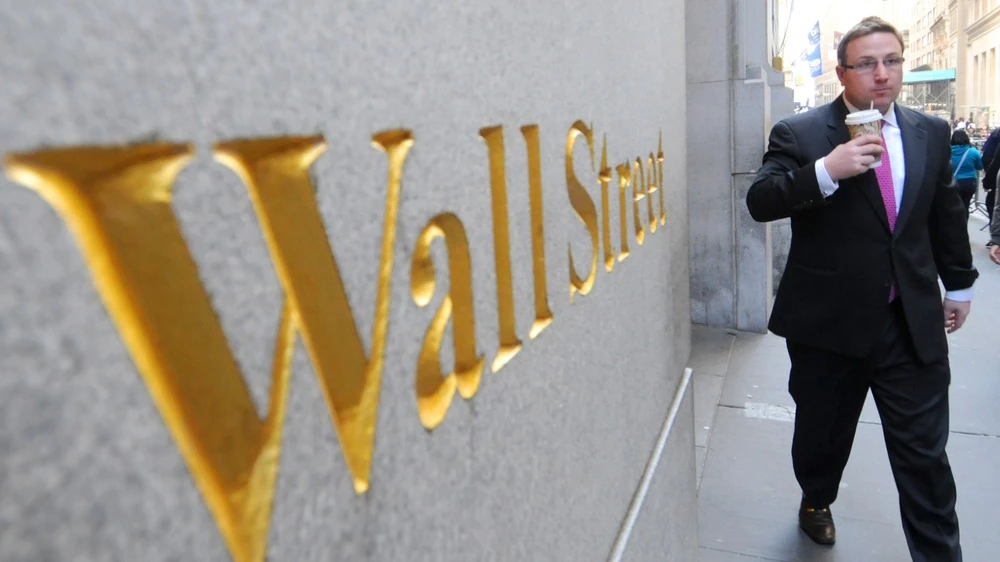
BofA warned of similarities between current market activity and the pre-crisis period of 2007-2008 / Photo: Bumble Dee / Shutterstock
Wall Street is "trading threateningly along the lines of 2007-2008," Bank of America strategist Michael Hartnett wrote in a note to clients. In his opinion, the jump in oil prices amid the war with Iran and growing market fears around private lending resemble in market activity the period preceding the global financial crisis of 2008, Bloomberg writes.
Oil market
The war with Iran, which began on February 28, has already pushed oil prices up more than 60% since the beginning of the year. According to Michael Hartnett, this dynamic is reminiscent of the period before the 2008 crisis, when oil rose from $70 a barrel in July 2007 to $140 by August 2008. This was against the backdrop of the beginning of the "subprime turmoil" - the crisis in the US low-quality mortgage market - which affected such large companies as Northern Rock and Bear Stearns, Hartnett explained.
"Asset dynamics in 2026 look much more ominously similar to the price movements of mid-2007 to mid-2008," he said.
Brent crude oil prices at the auction on March 13 added 1.6%, jumping to more than $102 per barrel, although two weeks ago, before the conflict in the Middle East, they barely reached $73 per barrel. Futures for the U.S. Mark WTI crude with delivery in April on March 13 rose more than 2% to $97.79.
Private lending market
However, it is not only the dynamics of oil prices that reminds us of the situation ahead of the 2008 crisis. In 2026, as in 2007-2008, there are growing concerns in the market about the exposure of large banks to the risk associated with private lending. For example, Morgan Stanley this week followed Blackstone, Blue Owl and BlackRock in limiting withdrawals from its private credit fund. However, attention to the sector is drawn not only due to the outflow of funds from the funds, but also against the background of discussions about compliance with lending standards and the impact of artificial intelligence on some borrowers, Bloomberg writes.
Stagflation
At the same time, skyrocketing energy prices caused by the war with Iran are increasing fears of stagflation in the global economy - a situation in which mounting inflationary pressures force central banks to raise interest rates at a time when economic growth is slowing, the agency said.
Thus, on March 11, the head of the Central Bank of Slovakia and a member of the Governing Council of the European Central Bank (ECB) Peter Kazimir said that the Middle East conflict and its impact on inflation risk pushing the ECB to raise interest rates earlier than expected.
However, the ECB rate hike in July 2008 - the same day when oil prices peaked - later turned out to be "one of the biggest economic policy mistakes of all time," Hartnett said. Then, 74 days later, the regulator was "forced" to lower rates by 325 basis points, as "credit risks outweighed the oil factor," the analyst recalled. Shortly thereafter, Lehman Brothers, a major U.S. investment bank, went bankrupt, and oil prices collapsed from $140 a barrel to $40.
What now
According to Hartnett, now the market consensus still assumes that the conflict in the Middle East will not be long, and the problems in the segment of private lending are not systemic. This supports "bullish" positions in the market: investors continue to bet on the growth of assets, counting that "regulators always come to the aid of Wall Street," the analyst added. He himself recommends selling oil at prices above $100 a barrel and U.S. dollars when the U.S. Dollar Index (DXY) is above 100, as well as buying 30-year U.S. Treasuries at yields above 5% and ETFs and futures on the S&P 500 Index at levels below 6600 points.
On Friday, March 13, the U.S. 30-year bond yield was at 4.88%, the dollar index was at 100.11, its highest level since November, and the S&P 500 was at about 6643 points.
This article was AI-translated and verified by a human editor