People began panic-buying supplies after widespread disruptions. Who stands to gain from this?

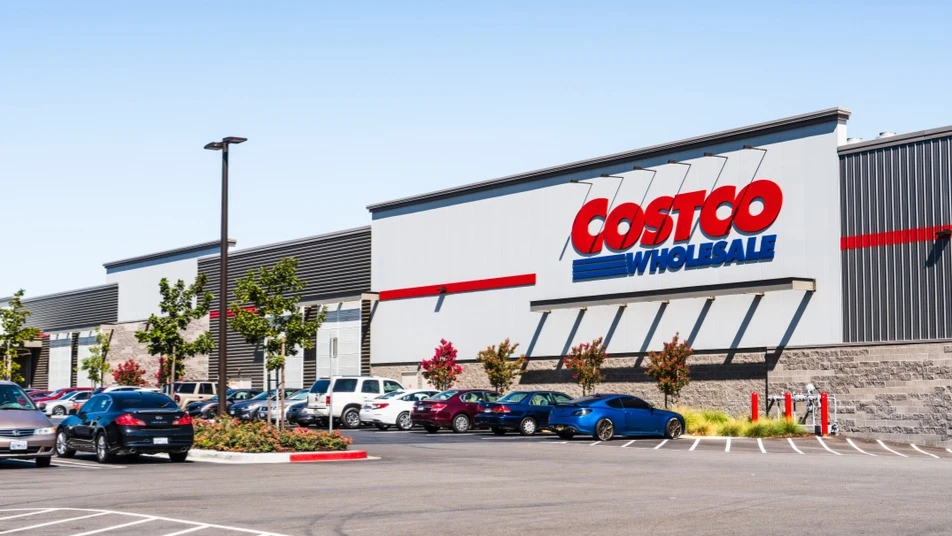
Following recent glitches in Microsoft Outlook and the suspension of flights in the U.S., shoppers began stocking up en masse “just in case of emergencies.” Photo: Sundry Photography/Shutterstock
Following a recent outage of Microsoft Outlook and the suspension of flights in the U.S., shoppers have begun stocking up en masse “in case of emergencies.” Among those already benefiting from this trend is the warehouse club chain Costco, according to Mizuho analysts, as reported by MarketWatch. Given these trends, Mizuho strategists raised the company’s price target from $1,100 to $1,150 per share; the new target implies a 3.6% upside from the November 17 closing price.
Details
In mid-November, two major incidents occurred almost simultaneously. First, a large-scale global technical outage was reported in Microsoft’s services, and the next day, authorities suspended all flights nationwide due to telecommunications issues. Although officials stated that the events were unrelated and not caused by a cyberattack, their coincidence in timing sparked rumors on social media about an impending “apocalypse.” Against this backdrop, panic buying at Costco has intensified in recent days, as noted by analysts at Mizuho. The chain’s product lineup has always been partly geared toward survivalists, MarketWatch points out: the company is known for its extra-large packages designed for long-term storage—for example, 50-pound (about 23 kg) bags of rice and 40-pound (about 18 kg) boxes of chicken.
Amid consumer anxiety, as of the evening of November 16, 21 of the 26 types of high-end generators listed for online purchase on Costco’s website were sold out, according to Mizuho analysts. Demand for emergency supplies had been rising even before that: according to analysts, discussions with the retailer’s management indicate that in the first three weeks of October, comparable sales grew at the same rate as in previous months, however, “an acceleration in sales of emergency supplies during the last week” of last month pushed their growth for October to 8.1%.
What about the stocks?
Since the beginning of this year, Costco’s stock has risen 28.7%. In premarket trading on November 18, it was down 0.4%. Overall, the most common recommendation on Wall Street for these shares is to buy: 26 out of 42 analysts have issued this recommendation. Another 14 analysts recommend holding the shares, and only two advise selling them.
Despite raising their price target for Costco shares, analysts at Mizuho added that the retailer’s stock is currently somewhat overvalued. “This one-time sales increase, combined with stockpiling and the retailer’s reputation as a bargain destination ahead of the holidays, is further inflating the stock’s already very high valuation,” the analysts noted.
At the same time, Mizuho emphasized that other major retailers, such as Walmart, Home Depot, and Lowe’s, may also benefit from customers stocking up in preparation for unforeseen circumstances. At the same time, experts believe that Tractor Supply “could see a particular boost in its still-small ammunition sales business.”
Walmart shares were down 1% in premarket trading on November 18, though they are up 14% year-to-date. Home Depot shares were down 1.5% in premarket trading, and are down by the same amount year-to-date. Lowe’s shares rose 5% in premarket trading, while they have fallen 8% since the start of the year.
This article was AI-translated and verified by a human editor