The IEA agreed to accelerate the release of more than 20 million barrels of diesel from its reserves
The decision was made amid record-high fuel prices and pressure from the U.S. administration

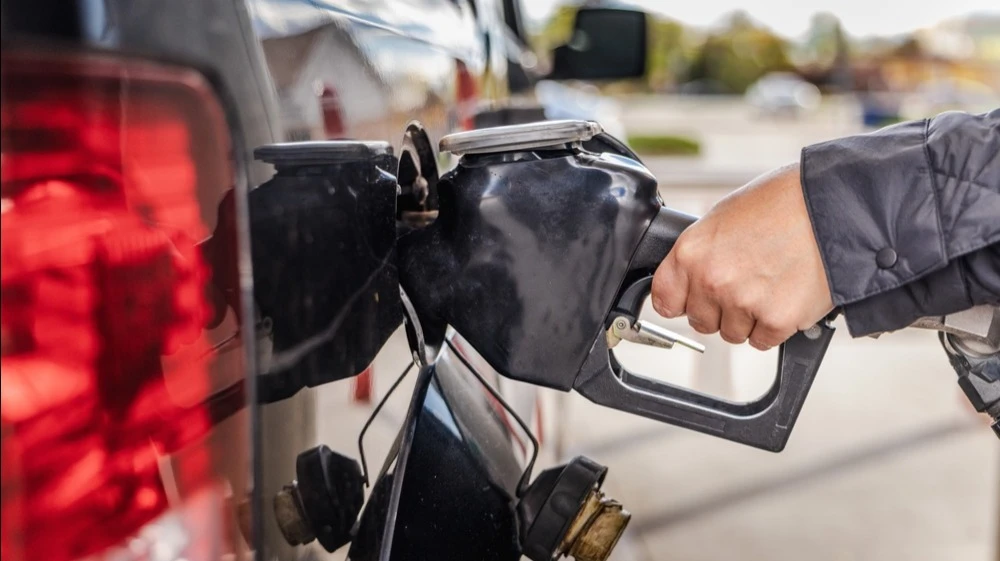
The diesel shortage is caused by disruptions in supplies from the Persian Gulf region and Russia / Photo: StockMediaSeller/Shutterstock.com
The member countries of the International Energy Agency (IEA) have agreed to release more than 20 million barrels of diesel fuel onto the market as soon as possible, according to Reuters. In addition, they will complete the release of 100 million barrels of oil that were stipulated in the March agreements but have not yet been released onto the market. The decision was made amid record-high diesel prices and pressure from U.S. President Donald Trump, who demanded that European Union countries release their reserves, threatening to ban diesel exports from the U.S. if they did not comply.
Details
The IEA statement notes that participants “agreed to accelerate the release of the remaining volumes, with specific plans already in place, including more than 20 million barrels of diesel as soon as possible.” However, a figure of 50 million barrels had previously been considered: Reuters reported that EU countries were discussing a proposal from France to release that amount of diesel, along with 50 million barrels of crude oil from IEA member countries.
To date, approximately 330 million barrels have been drawn from the reserves, Reuters reported.
Market Reaction
Following the IEA’s statement, the European benchmark contract for gasoil—a fuel that includes diesel—rose to $1,430.75 per metric ton, although it closed the trading day in negative territory, Reuters notes.
“The slight rise in diesel prices indicates that the market is somewhat disappointed by the lack of firm commitments for additional supplies at this time,” said Ole Hansen, an analyst at Saxo Bank. “Prices are high, but there is no physical shortage as such, so it makes sense to sit tight for now.”
Context
In March, the 32 member countries of the IEA agreed to the largest release of strategic reserves in the agency’s history—more than 400 million barrels of oil and petroleum products. The decision was made following a sharp decline in shipments through the Strait of Hormuz due to the escalation of the conflict in the Middle East.
Donald Trump is pushing for lower fuel prices ahead of the November 3 midterm congressional elections. Diesel prices have hit record highs in many markets due to supply disruptions caused by the war in the Middle East and the conflict between Russia and Ukraine. This poses a threat of inflation and rising living costs for governments and consumers.
This article was AI-translated and verified by a human editor