S&P falls for the first time after nine sessions of growth: investors are worried about inflation risks
If the S&P 500 rose for a tenth consecutive trading day, it would post its best streak since 1995

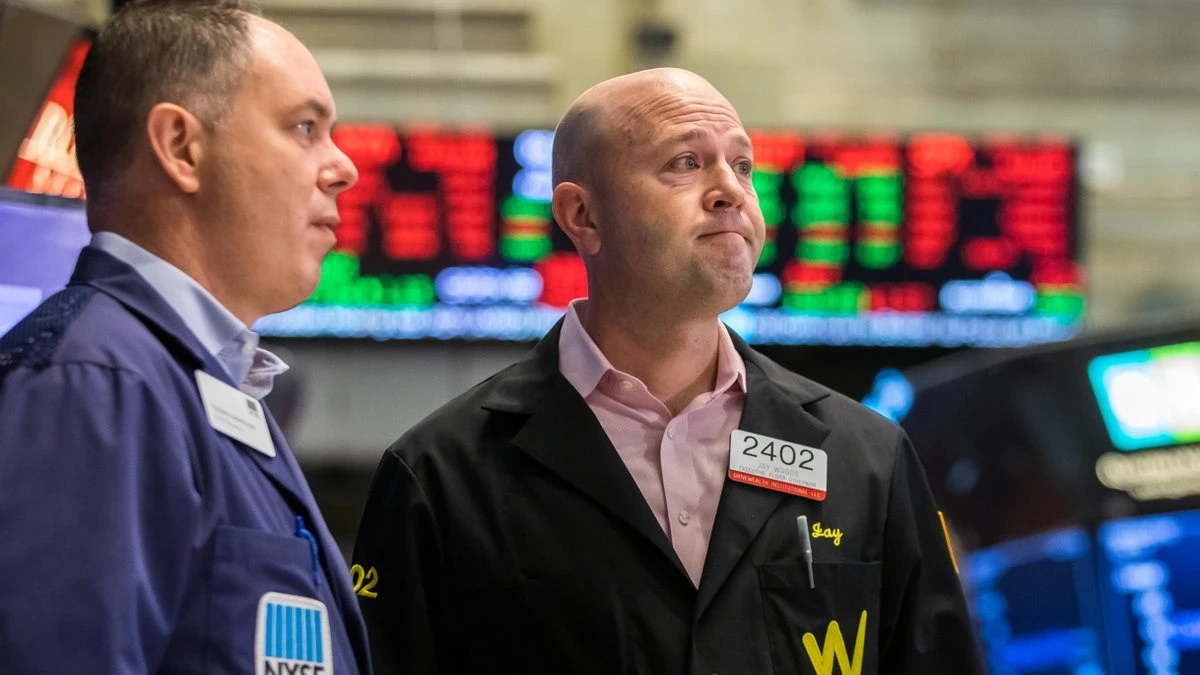
Photo: X / NYSE
All four major stock indices of the U.S. market declined on Wednesday, June 3, interrupting a long rally, during which they repeatedly updated records. The broad market index S&P 500 declined for the first time after nine days of growth, while oil prices and US government bond yields rose. Investors fear the conflict between the U.S. and Iran could exacerbate inflation risks while prospects for a peace deal remain remote, CNBC wrote. The countries traded blows on Wednesday.
Details
- The S&P 500 broad market index fell 0.74% on June 3. If it rose for a tenth straight day, it would be its best streak since September 1995, MarketWatch wrote, citing Dow Jones Market Data.
- The blue-chip index Dow Jones Industrial Average lost 1.21% on Wednesday.
- The Nasdaq Composite Technology Sector Index was down 0.89%.
- The Russell 2000 index of small and mid-capitalization companies fell 1.3%.
- Brent crude futures rose 2% to over $98 a barrel, while WTI crude rose 2.7% to $96.3 a barrel.
- The dollar strengthened 0.31% to 99.53 points against a basket of other world currencies.
- Gold fell a little more than 1 percent to $4,473.
- Bitcoin fell 2.8 percent overnight to $65,218, its lowest since February.
What influenced the stock
The S&P 500 broke a nine-day streak of gains and declined from record highs. Technology stocks led the decline: the iShares Expanded Tech-Software Sector ETF, which tracks software developers, fell 4.2%. Nvidia shares lost 3.6%, Dell Technologies lost 3.3%, Oracle shares fell 5.8% and Microsoft fell 3.2%.
Rising oil prices and signs of a strong labor market intensified the sell-off in U.S. government bonds, reinforcing the view that the Federal Reserve's next move will be a rate hike, Bloomberg writes. According to the CME FedWatch tool, the U.S. Federal Reserve is expected to raise rates by at least 0.25 percentage points before the end of the year, CNBC reports.
US President Donald Trump said on Wednesday that Iran has agreed to abandon plans to build nuclear weapons, but added: "They may change their mind," CNBC writes. The truce in effect between the sides shook again on Wednesday. Kuwait suspended flights after an Iranian drone strike on an airport. U.S. Central Command said U.S. forces repelled Iranian ballistic missile and drone attacks and conducted "self-defense strikes" on Qeshm Island "in response to Iranian attempts to attack targets across the Middle East," CNBC reports. The developments followed several days of rising tensions, including around Israel's operations against Hezbollah in Lebanon, which threatened to derail US-Iran talks, the agency explains. The U.S. and Iran have agreed on a tentative framework to extend the truce and reopen the Strait of Hormuz, but negotiations on the final details are dragging on, Bloomberg states.
What the analysts are saying
- "Ongoing tensions in the Middle East continue to cloud the overall backdrop for risk assets," Bloomberg quoted Forex.com market analyst Fawad Razaqzada as saying. - New clashes between U.S. and Iranian forces overnight called into question the sustainability of the ceasefire deal."
- "Today we're seeing a pullback on the observation that cutting rates may not be easy when the economy appears to be accelerating. There is not the demand destruction that some have suggested," said Potomac Fund Management strategist Sean Snyder as quoted by CNBC.
This article was AI-translated and verified by a human editor