Sam Altman's Two Fears: Uncontrollable AI and "Benevolent Dictators"
The head of OpenAI fears a situation in which society would permanently lose control over key decision-making
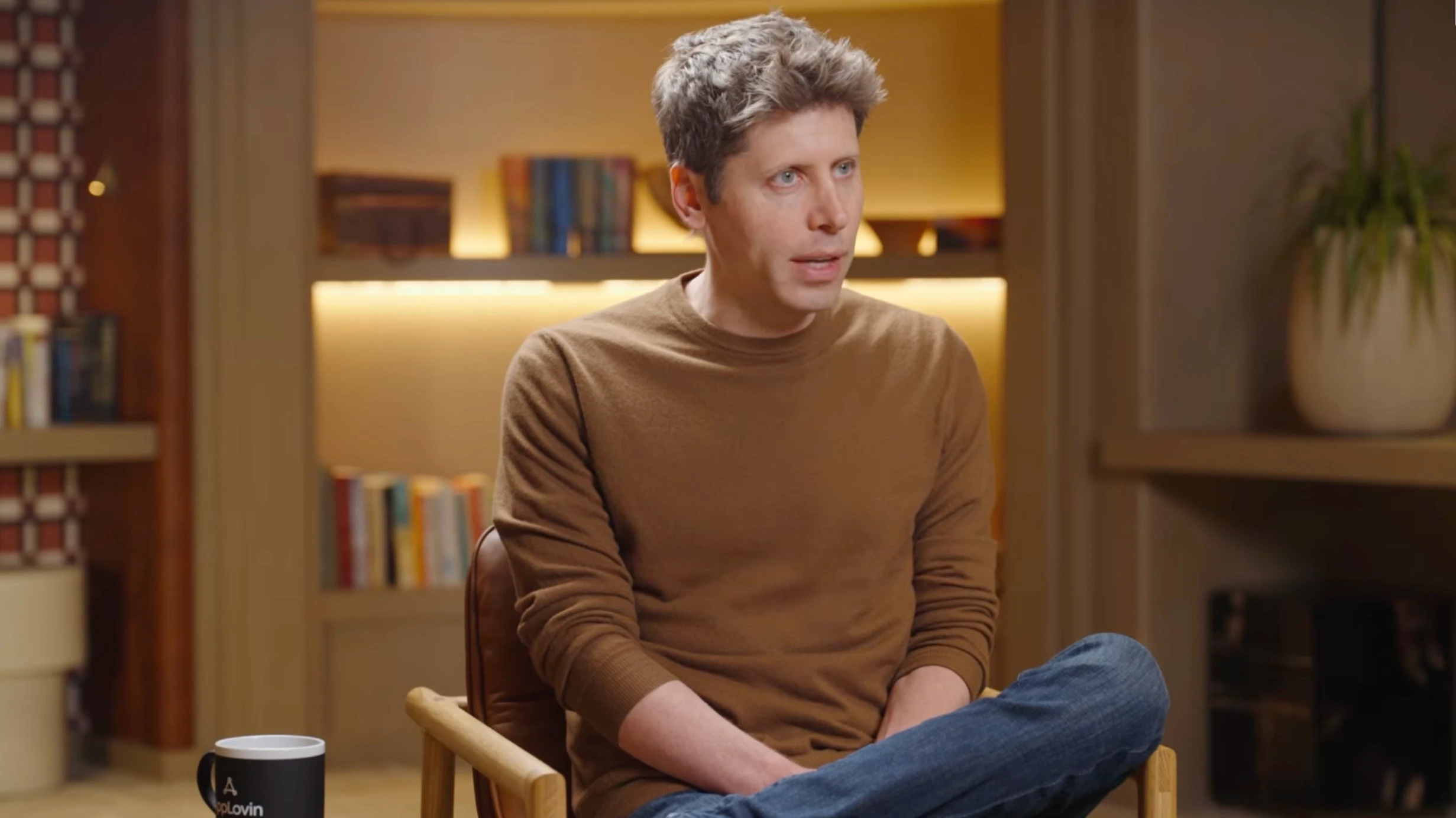
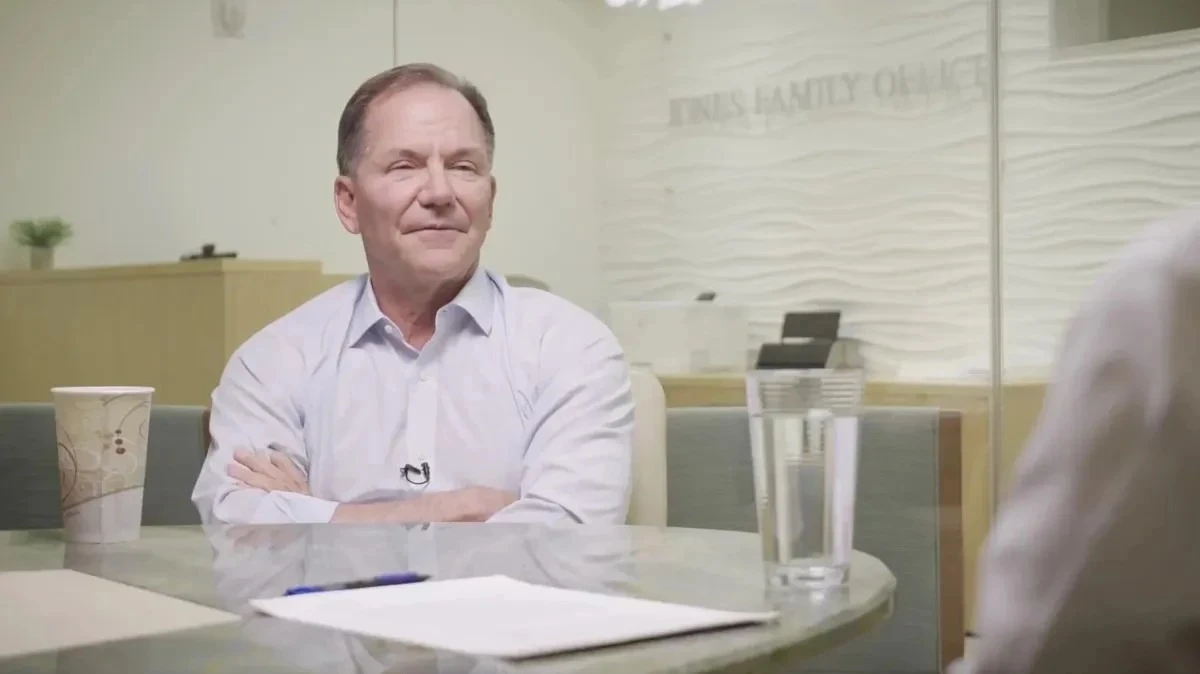
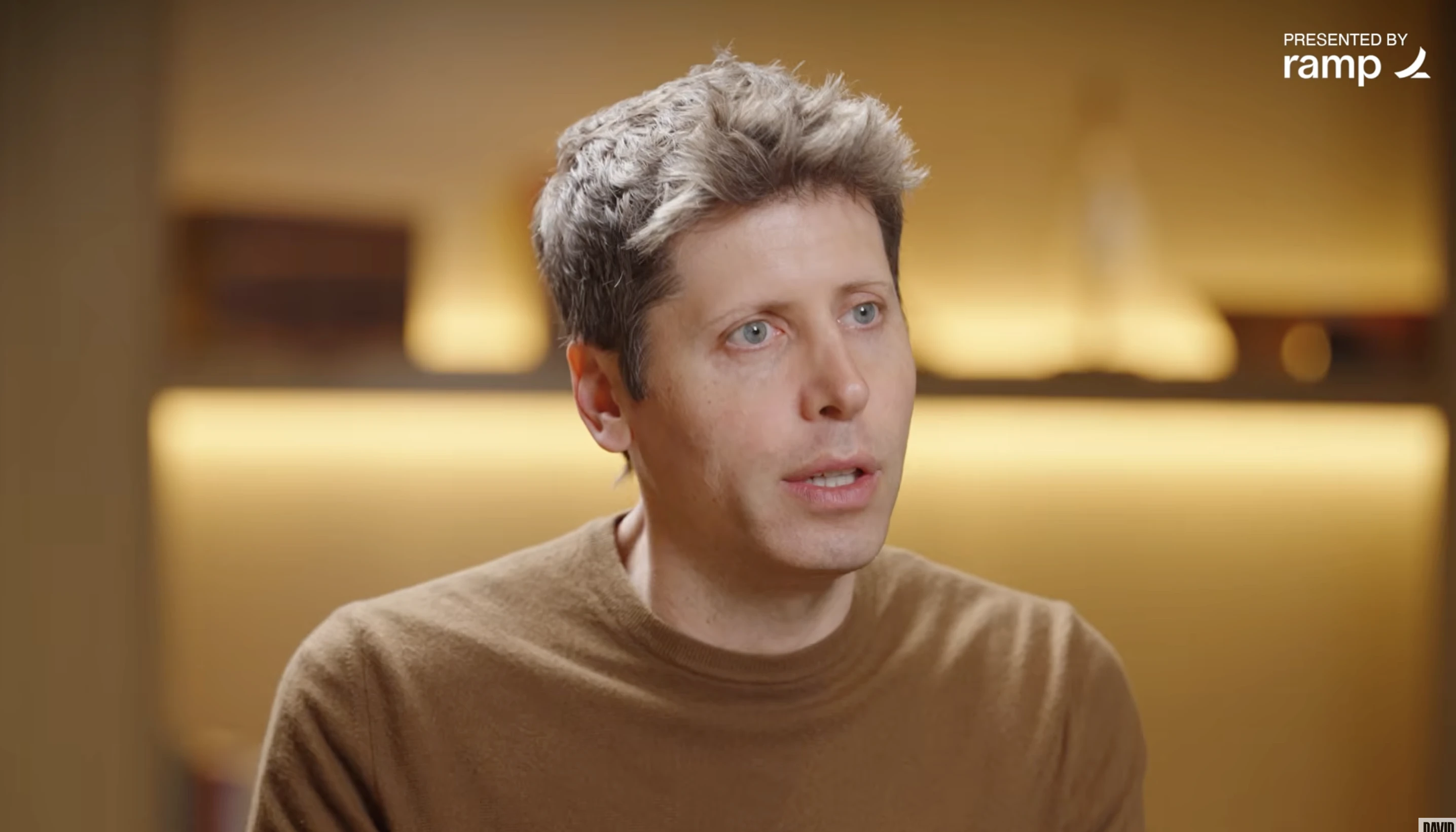
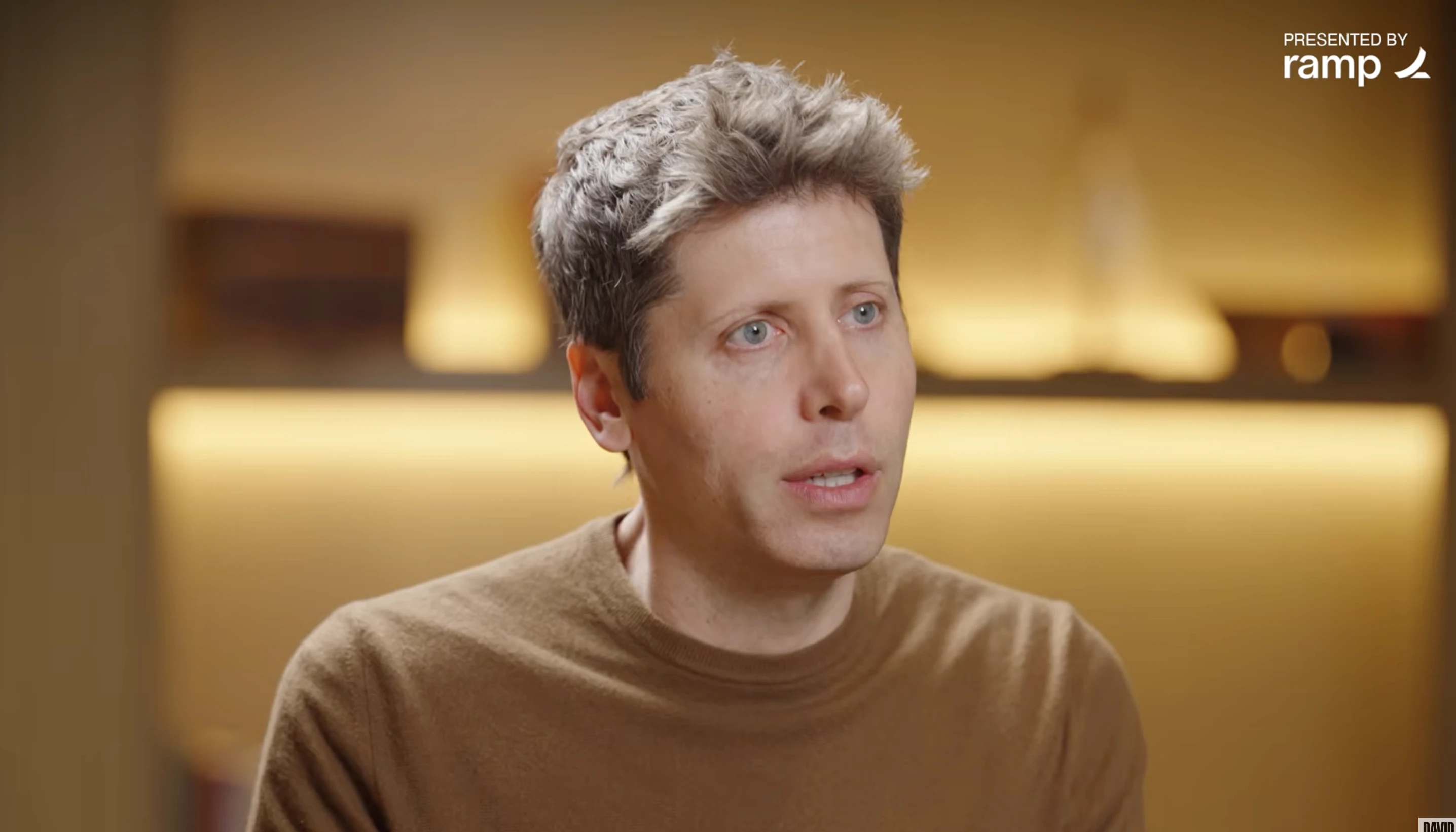
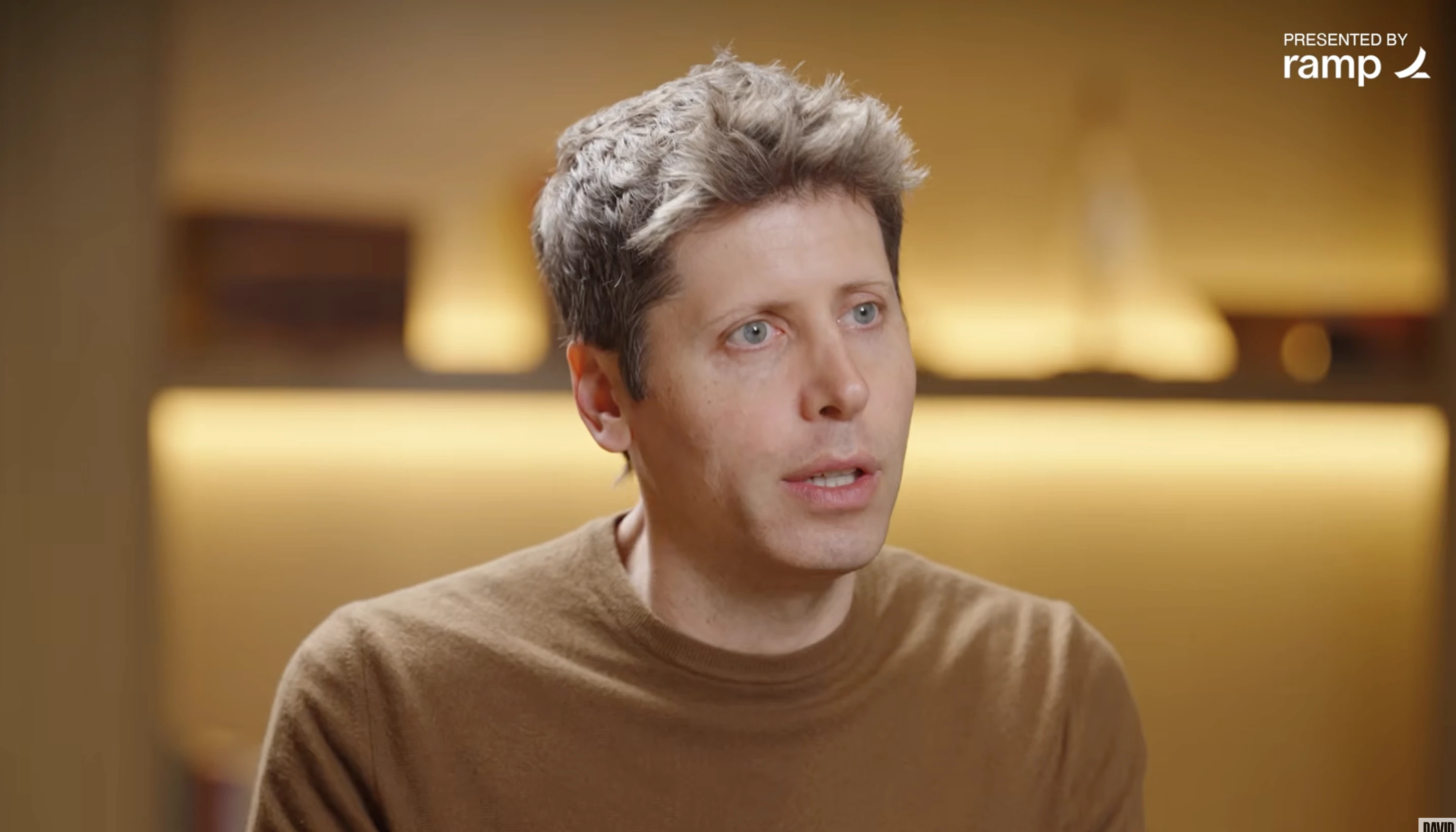
Altman believes that AI has not yet experienced its so-called “iPhone moment” / Screenshot by David Senra / Sam Altman on Building OpenAI & Betting on the Impossible / YouTube
OpenAI CEO Sam Altman believes that AI will transform the economy and our lives much more slowly than the models themselves are developing. He doesn’t deny that he misjudged the pace of AI’s adoption: the technology has made a giant leap forward, but human habits have proven to be more conservative. Day-to-day computer work has changed little so far, and companies are in no hurry to hand over tasks to algorithms. On David Senra’s podcast, Altman explained why he considers this pause a blessing for the world, how neural networks could spark a small-business boom, and where the line is drawn beyond which technological progress turns into a dictatorship.
Waiting for the "iPhone moment"
AI is advancing faster than businesses can adapt to the new possibilities offered by the technology, according to Sam Altman. After the release of GPT-4 in 2023, he expected the software market to begin changing much more rapidly. However, economic inertia proved to be stronger: people continue to use the tools they’re accustomed to and buy products from the same companies.
“I believe that in many ways this is actually a positive thing, and thanks to this, the upcoming large-scale transition will proceed more smoothly and gradually. I’m actually glad about that. But it means that we’ve all overestimated the pace of change. Even with such incredible technology—and I consider AI to be one of the most astonishing technologies ever created by humankind—society and the economy will adapt more slowly.”
Altman admits that he, too, continues out of habit to use his computer the same way he has for the past 20 years: he manually sorts through his email, transfers information between applications, and keeps a to-do list, even though the AI code-working agent Codex can already perform a significant portion of these tasks more quickly.
Altman believes that the problem isn't just a matter of user habits: AI products themselves do not yet provide a clear transition from regular computer work to delegating tasks to an agent. People use both their familiar tools and Codex at the same time—and don’t always understand which of these methods is best suited for which tasks.
Altman compares the current stage of AI development to smartphones in the early 2000s. Most of the necessary technologies already existed back then, but there was a lack of product ideas—and specific solutions, such as multi-touch—that later changed the very way people interact with smartphones.
"It seems to me that we now live in a world where we have all the technological components, but we haven't yet experienced the 'iPhone moment'—that moment when the way people interact with technology changes completely."
Altman does not view social inertia as a flaw. The history of technological revolutions, including the Industrial Revolution, shows that rapid changes are rarely accepted without resistance. In his view, this skepticism acts as a natural safeguard: it slows society’s reaction during periods of upheaval and short-lived hype, so it is not worth trying to accelerate the adoption of new technologies at any cost.
“I think this probably helps society during times of upheaval or in the midst of some local madness. So in a way, it’s even a good thing, and, in my view, it’s a feature of human biology that shouldn’t be fought too aggressively.”
That said, Altman does not believe that society will simply follow the development of AI. In his view, people should gain experience interacting with AI, while developers should identify the problems that arise and, based on that, modify the models and improve their safety.
The Boom in Microbusinesses and "Algorithm-Free" Companies
Altman cites a potential sharp increase in the number of small companies as one of the economic consequences of the spread of AI. According to him, launching such a business used to require money, luck, and access to resources. He believes that AI opens up far more opportunities for people who want to create their own products and companies, and could lead to the largest small-business boom in history.
Altman expects AI to significantly lower the barriers to starting small businesses. Until now, launching a business has required significant resources, luck, and certain privileges; now, in his view, technology can make entrepreneurship more accessible to a much larger number of people. He believes this could lead to the largest small-business boom in history.
““Giving people a real opportunity to create something new, to promote what they believe in, to have the freedom to start companies, invent technologies, and develop ideas—and the entire ecosystem that makes this possible—there’s nothing I believe in more strongly”.
According to Altman, the potential of AI for small businesses has so far been only partially realized: there are still not enough tools that truly simplify the process of launching new companies. At the same time, Altman says, OpenAI should not compete with its customers or try to take over the entire economy. Its role is to provide access to its AI models via an API so that businesses can use them to build the services they need. Altman is confident that 100 million new companies will use OpenAI.
According to Altman, AI will transform not only the labor market and business opportunities, but also the value of human interaction. Many professions may undergo significant changes, but he believes that in a world with more advanced AI, everything based on personal contact and human relationships will become more valuable.
For the same reason, Altman expects demand to grow for authentic, non-tech-driven experiences—such as sports. In his view, as AI advances, it will actually become easier for some businesses—ones that have nothing to do with AI—to remain appealing to people.
Sam Altman's Two Fears
Altman said that the very idea of AI had fascinated him since childhood—as a technology capable of radically expanding human capabilities. He was captivated by the prospect of creating a tool that would enable people to innovate and solve important problems.
That is why it is important to Altman that the development of AI does not lead to a loss of human control or an excessive concentration of power. And right now, he is most concerned about two possible scenarios: AI will become so powerful that humans will be unable to control it, or the development of the technology will lead to an excessive concentration of power in the hands of a single company, a single model, or a single person.
“To accept any of these scenarios is a deeply inhumane stance. The right approach is to say: we want people to have complete control over the future. We want people to have more power and opportunities. After all, people are the whole point of what’s happening. We’re not going to sit here and gradually hand over control to AI simply because we don’t trust people or don’t like them.”
Altman warns that AI safety could become a pretext for the concentration of power: a few companies would gain the right to decide who has access to the technology and under what conditions. In that case, society may reap the benefits of AI—from medical treatments to affordable goods—but some of the decisions about the future will end up concentrated in the hands of others.
I don’t want to live in a world where a small group of people or systems makes decisions for everyone else. All this rhetoric along the lines of: ‘Dear peasants, we bequeath to you these gifts in the form of a cure for cancer, material prosperity, a few perks, and great entertainment—so stop complaining, and we’ll make all the decisions about the future ourselves; just trust us—we’ll be benevolent dictators.” There’s nothing good about that. Absolutely nothing good.”
This article was AI-translated and verified by a human editor