"Short sellers have run out of steam": The share of short positions in SpaceX fell by two-thirds over the course of the week
Shares of the world's most valuable aerospace company surged nearly 10% in a single trading session and settled above their IPO price

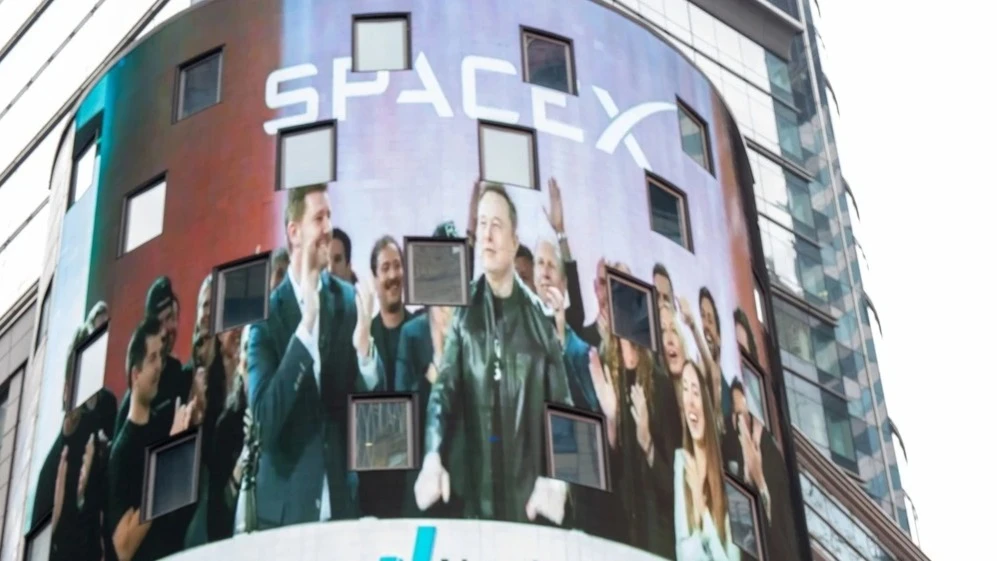
For the first time in a long while, SpaceX shares have managed to settle significantly above their IPO price / Photo: Ron Adar / Shutterstock.com
The share of short positions in SpaceX had fallen to 11% of outstanding shares by August 12—down from a peak of 34% a week earlier, CNBC reports, citing data from S3 Partners. The provider of market analytics attributed this development to the closing of some short positions and an increase in the number of shares in circulation following the expiration of the first phase of restrictions on their sale.
Why Did the Bears Leave?
The short sellers' retreat coincided with a sharp rebound in the stock price following the sell-off that came after SpaceX's earnings report: the stock rebounded by nearly 40% from its low.
“Those who wanted to short the market have run out of ammunition,” said Igor Dusaniwski, managing director of predictive analytics at S3 Partners. “It’s impossible to keep increasing the same position indefinitely.”
To close a short position, an investor must repurchase the securities they previously sold. Such demand could further bolster the rally that has already begun, notes CNBC.
What attracted short sellers
Short sellers stepped up their activity following the release of SpaceX’s first quarterly report as a publicly traded company. The rocket and satellite manufacturer’s capital expenditures were more than double its revenue, heightening concerns about the costs of implementing its ambitious plans. By that time, only a small portion of the shares were in free float, so the proportion of short positions quickly rose to an unusually high level, the TV channel notes.
The picture changed on August 6, when just over 911 million shares—about 7% of all SpaceX shares—became available for trading. As a result, the number of shares in free float rose from 639 million to more than 1.5 billion. This automatically reduced the short interest, but according to S3 Partners, the bears themselves also contributed to the decline by buying back shares to cover their positions.
According to SpaceX’s IPO prospectus, another 319 million shares will be unlocked on August 20, followed by approximately 700 million in September and nearly the same number in October. The increase in supply could amplify price volatility. At the same time, it will become easier for short sellers to borrow shares and bet on a decline again if pessimism returns, explains CNBC.
What about the stocks?
Trading in SpaceX shares opened on August 12 in New York at the IPO price—about $135 per share. The stock then fell to an intraday low, after which it began to rise rapidly and peaked at $149.6. They closed the main session at $146.15, up 9.65%. In premarket trading on August 13, the company’s shares rose by about 0.5%.
There could have been several reasons for the rally: Morgan Stanley called the company’s AI business undervalued, SpaceX released a more powerful and cheaper model, Grok 4.6, and Elon Musk unveiled an aggressive plan to expand computing capacity and reported growth in Starlink’s user base. Successful satellite launches, easing concerns over insider stock sales, investments by Norway’s sovereign wealth fund, and a general rally in U.S. AI stocks all fueled the gains.
This article was AI-translated and verified by a human editor