SpaceX Exceeded Revenue Expectations: Revenue Nearly Doubled Thanks to Starlink
The company's stock rose immediately after the results were released, but then began to fall by more than 8%

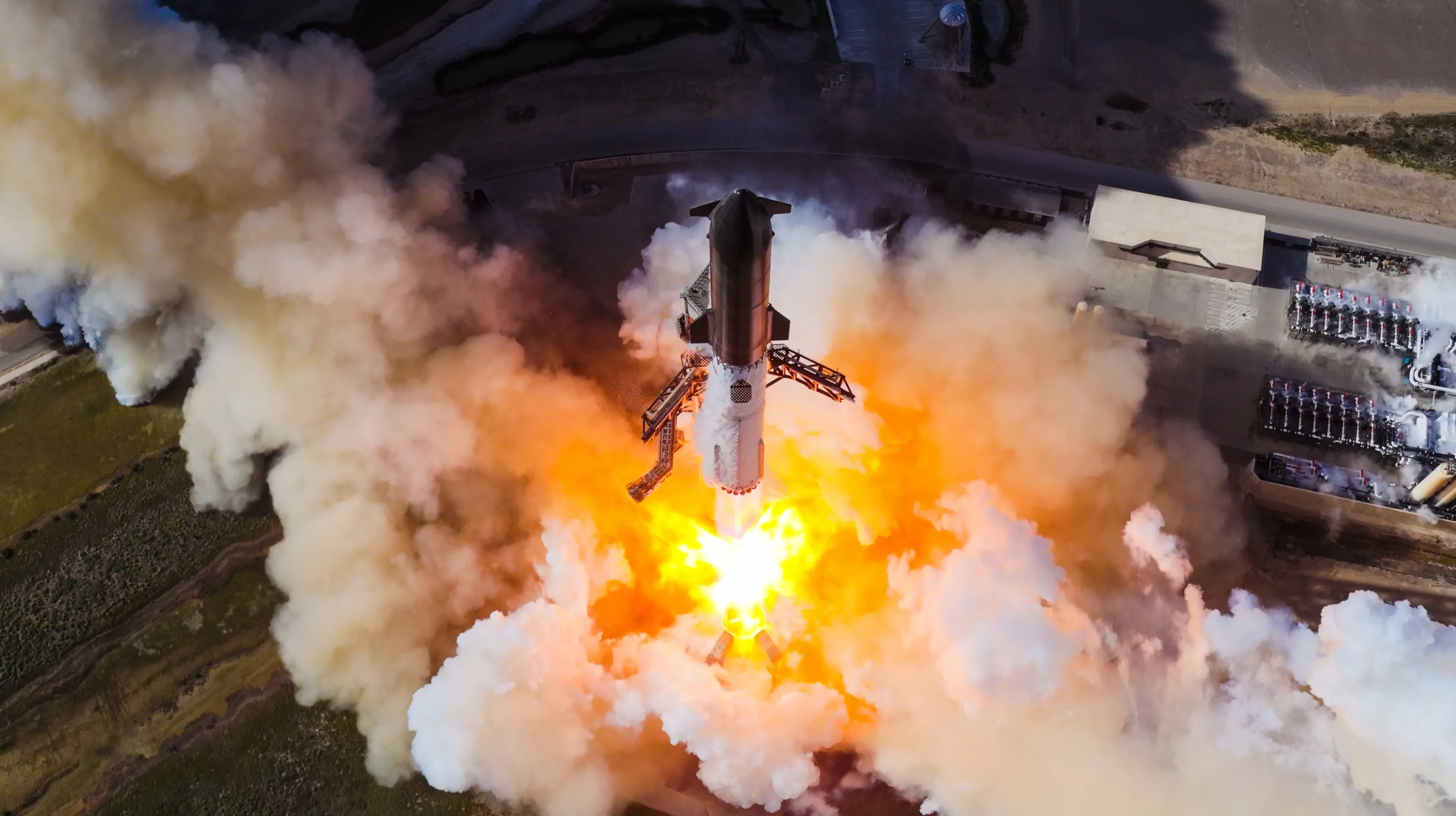
Photo: X / SpaceX
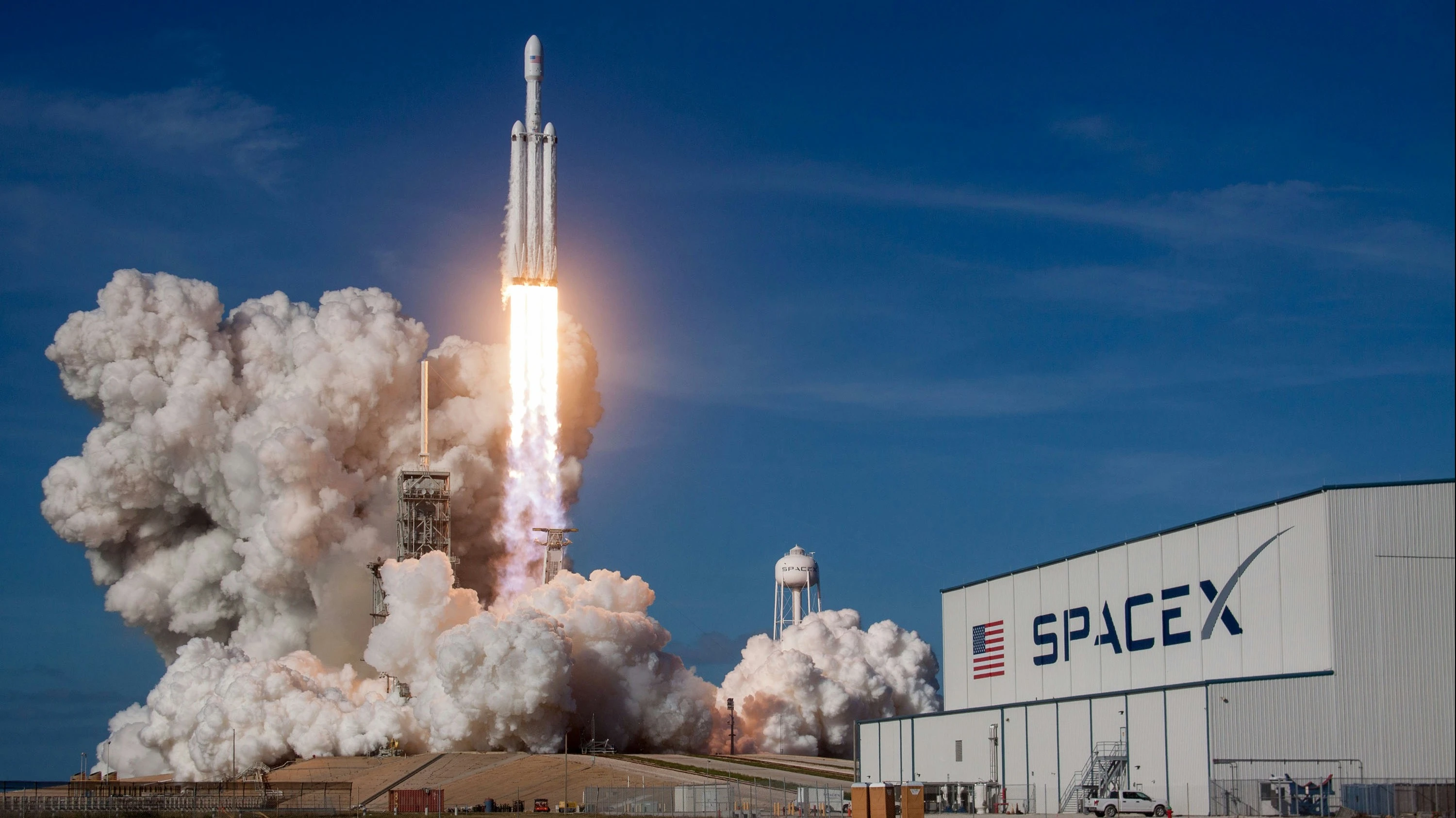
Revenue at Elon Musk’s space company, SpaceX, comfortably exceeded Wall Street’s expectations in the company’s first financial report following its high-profile IPO in June. It totaled $7.8 billion, up 92% from the same period a year ago. Analysts surveyed by Bloomberg had forecast $6.81 billion.
At the same time, the company reported a net loss of $541 million, although it had nearly halved year-over-year. On a per-share basis, the loss was $0.09, while Wall Street had predicted $0.26, according to CNBC.
Investors reacted negatively to the results: the stock fell by more than 8% in after-hours trading on Tuesday, August 4.
How is SpaceX doing?
— Revenue from the Starlink satellite internet service, SpaceX’s only profitable business, totaled $4.29 billion, compared with the $3.83 billion expected, according to LSEG. The number of subscribers reached 12 million by the end of the second quarter—twice as many as a year ago. However, the company fell short of forecasts on this metric: Wall Street had expected 12.19 million, according to Bloomberg. The Starlink business is heavily “undervalued,” but it may be the one to provide internet access to the majority of the world’s population, said CEO Elon Musk during a conference call following the release of the earnings report.
— Sales for the AI business tripled, reaching $2.56 billion, compared with Wall Street’s forecast of $2.18 billion, according to CNBC. The AI division’s operating loss was $1.26 billion—roughly half the consensus estimate, Bloomberg noted.
— Revenue from space launches totaled $962 million, compared with the $835 million projected by analysts, according to StreetAccount, as reported by CNBC.
— SpaceX's capital expenditures reached $18.37 billion, while analysts had forecast $18.58 billion, according to Bloomberg.
— Annual Recurring Revenue (ARR) will reach $100 billion by the end of 2026, and actual sales will increase to $1 trillion by 2030, Musk said. According to him, the company’s internal forecast has been revised: previously, it was planned to reach this milestone in 2031. At the same time, Musk noted that there is a “non-zero probability” of reaching $1 trillion as early as 2029.
Will AI generate profits for SpaceX?
Musk began his quarterly earnings conference call by discussing the heavy-lift Starship rocket, but quickly shifted the conversation to artificial intelligence, according to Bloomberg.
"We are building large-scale computing capabilities for AI faster than anyone else, as far as we know, and we are now significantly improving our AI models," Musk said. According to him, SpaceX plans to launch its first data center in space as early as 2027.
In recent months, SpaceX has entered into a number of agreements to sell its existing computing capacity. In June, it signed an agreement with Google to lease AI servers through mid-2029, with a total value of approximately $30 billion. In May, it signed an agreement with Anthropic through May 2029, with a potential total contract value of $45 billion. Reflection AI, a startup backed by Nvidia, agreed in June to pay SpaceX’s AI division $150 million per month through 2029.
Revenue from the company’s AI division more than tripled last quarter thanks to cloud computing deals. These deals brought SpaceX $1.6 billion in revenue for the quarter, but at the same time reduced the amount of computing power available to the company for training and running its own competitive AI models, notes the Financial Times.
During the first few weeks of the current quarter, the company secured an additional $6.7 billion in cloud service contracts, SpaceX CFO Bret Jonsen said during a conference call, according to CNBC. According to Musk, demand for AI is growing by 200% per year, so prices for computing power will only rise through 2030.
A New Market for SpaceX?
The Starlink Mobile service, which connects mobile devices directly to satellites, could take away some customers from the largest cell phone carriers— AT&T, Verizon, and T-Mobile—SpaceX President Gwynne Shotwell said during a conference call. Furthermore, she said that SpaceX “definitely intends” to develop ground infrastructure: the purchase of radio frequency spectrum from EchoStar has opened up this opportunity.
Verizon shares fell nearly 4%, while AT&T and T-Mobile shares each lost 2.5% in after-hours trading on Tuesday.
What about the stocks?
SpaceX shares initially reacted positively to the results, but then gave up all their gains and began to plummet: at one point, they were down more than 8%. Regular trading on Tuesday, August 4, ended with a 9.43% gain, closing at $125.33.
Ahead of the earnings release, analysts at Bernstein and Deutsche Bank reaffirmed their “Buy” rating on the space company’s stock. SpaceX’s valuation looks more attractive following a 52% drop in its stock price from its peak, although the upcoming expiration of lock-up periods and overall market sentiment could weigh on the stock price, RBC Capital Markets analysts wrote on Sunday, August 2. On Thursday, August 6, the lock-up period for 911.5 million shares will end —this represents 12% of the company’s total shares and is more than the number currently trading on the market (640 million).
Most analysts tracking SpaceX stock recommend buying it: the stock has 28 “Buy” and “Overweight” ratings versus seven “Hold” and three “Sell” and “Underweight” ratings, according to MarketWatch. The target price of $228.18 is 85% higher than the closing price on August 4.
The company’s IPO in June set a record: it raised $86 billion. The stock is now trading below its initial listing price of $135; it has lost about half its value from the peak of $225 reached during its first week on the exchange. As a result, SpaceX’s market capitalization has shrunk by $1 trillion. The volume of short positions in SpaceX shares—betting on a decline in the stock price—has reached approximately 34% of outstanding shares, the Financial Times reported, citing data from S3 Partners.
This article was AI-translated and verified by a human editor