Stocks in South Korea and Japan surged on news of Anthropic's IPO. Is it time to buy?
Investment giants Goldman Sachs and Nomura believe concerns about memory manufacturers are overblown

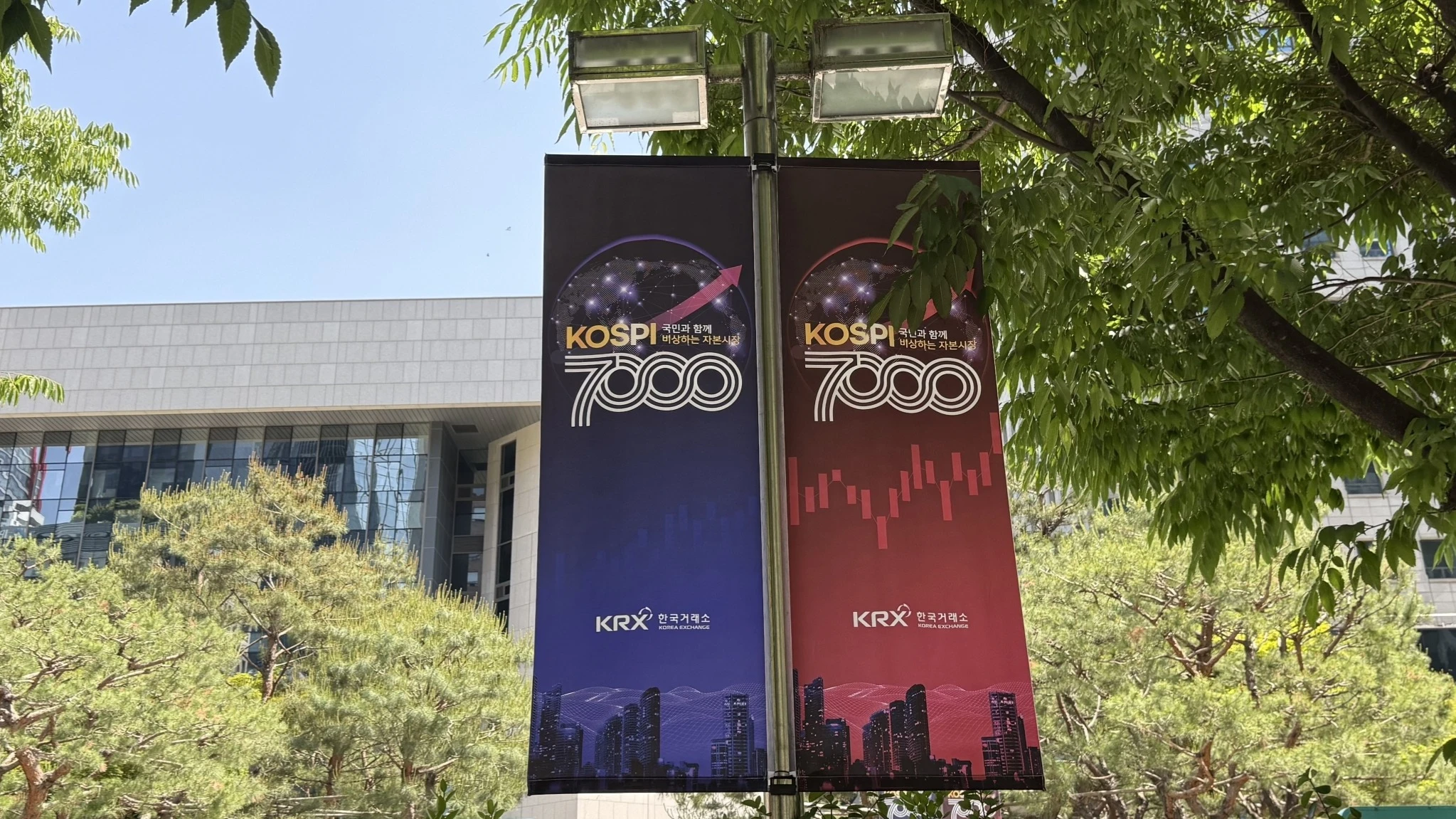
On the morning of October 27, the Korean stock exchange had to suspend program orders to buy securities due to a rush of interest surrounding Anthropic's IPO / Photo: yllyso/Shutterstock.com
The publication of the IPO prospectus for Anthropic, the developer of the AI model Claude, has reignited investor interest in the stocks of chipmakers in South Korea and Japan, according to Bloomberg. During trading on October 27, the Kospi, South Korea’s main stock index, rose as much as 4.9%, while Japan’s Nikkei 225 gained 2.4%. Shares of memory manufacturers Samsung Electronics and SK Hynix rose by more than 4%. In Taiwan and China, stocks in the sector moved in different directions.
Kospi 200 futures surged by more than 5%, prompting the Korea Exchange to temporarily suspend program buy orders, according to Financial News. Futures on the U.S. Nasdaq technology index also rose: on Tuesday morning, they gained 0.4% following the Philadelphia Semiconductor Index, which had jumped 2.8% the previous day, Reuters reports.
Anthropic’s IPO prospectus—which could be the largest in history—has eased investors’ concerns about whether the industry has enough money to build AI infrastructure amid rapidly rising debt, Bloomberg explains. The company reported that its products are capable of generating billions of dollars in revenue per year and outlined how it will pay for the chips and equipment it needs. “With more than $112 billion in cash and cash equivalents as of June—even before potential proceeds from an IPO— Anthropic appears to have significant financial resources for expansion,” Bloomberg quotes Tiger Brokers strategist James Oya as saying.

Are memory manufacturers undervalued?
Goldman Sachs believes that, following the sell-off, Korean stocks are significantly undervalued. The bank estimates that current stock prices of Korean memory manufacturers reflect a 65% decline in their profits in 2027. “The market is pricing in excessively negative expectations regarding fundamentals,” according to a report by Goldman strategists. The bank lowered its 12-month forecast for the KOSPI from 12,000 to 9,000 points but maintained its “buy” recommendation for Korean stocks. Even the downgraded forecast is 65% higher than the KOSPI’s closing level on October 26.
The Japanese investment bank Nomura shares a similar view. Fears that the growth of the AI industry will slow down are partly exaggerated, according to its report on the global computer memory market, as reported by the Seoul Economic Daily on October 20. Due to the active construction of data centers, the bank expects the shortage of memory chips to persist until the end of 2028. Nomura recommends buying shares of Samsung Electronics and SK Hynix with target prices that are 214% and 268% higher, respectively, than their closing prices on October 26.
A Crucial Week for AI Stocks
On Wednesday, October 28, SK Hynix and Alphabet will report their quarterly results, followed by Samsung and Amazon on Thursday. These reports will provide insight into the state of the AI stock rally, which has been struggling to recover from the summer sell-off. Since its June peak, the Kospi has lost more than 35%, and net sales of Korean stocks by foreign investors this year have exceeded $150 billion, according to Bloomberg.
“The key question is whether the quarterly reports set to be released this week will restore confidence in the sustainability of AI-related demand,” the agency quotes Yoon Jeong-in, head of Fibonacci Asset Management Global, as saying. “For the recovery to be sustainable, we need encouraging earnings forecasts and steady buying by foreign investors.”
Nomura warned that the forecast for memory demand would have to be revised if investment plans for data centers were repeatedly scaled back or if even fully funded projects began to be postponed en masse.
This article was AI-translated and verified by a human editor