Goldman has downgraded its outlook for the market, which is considered a barometer for AI. Is this a signal to investors?

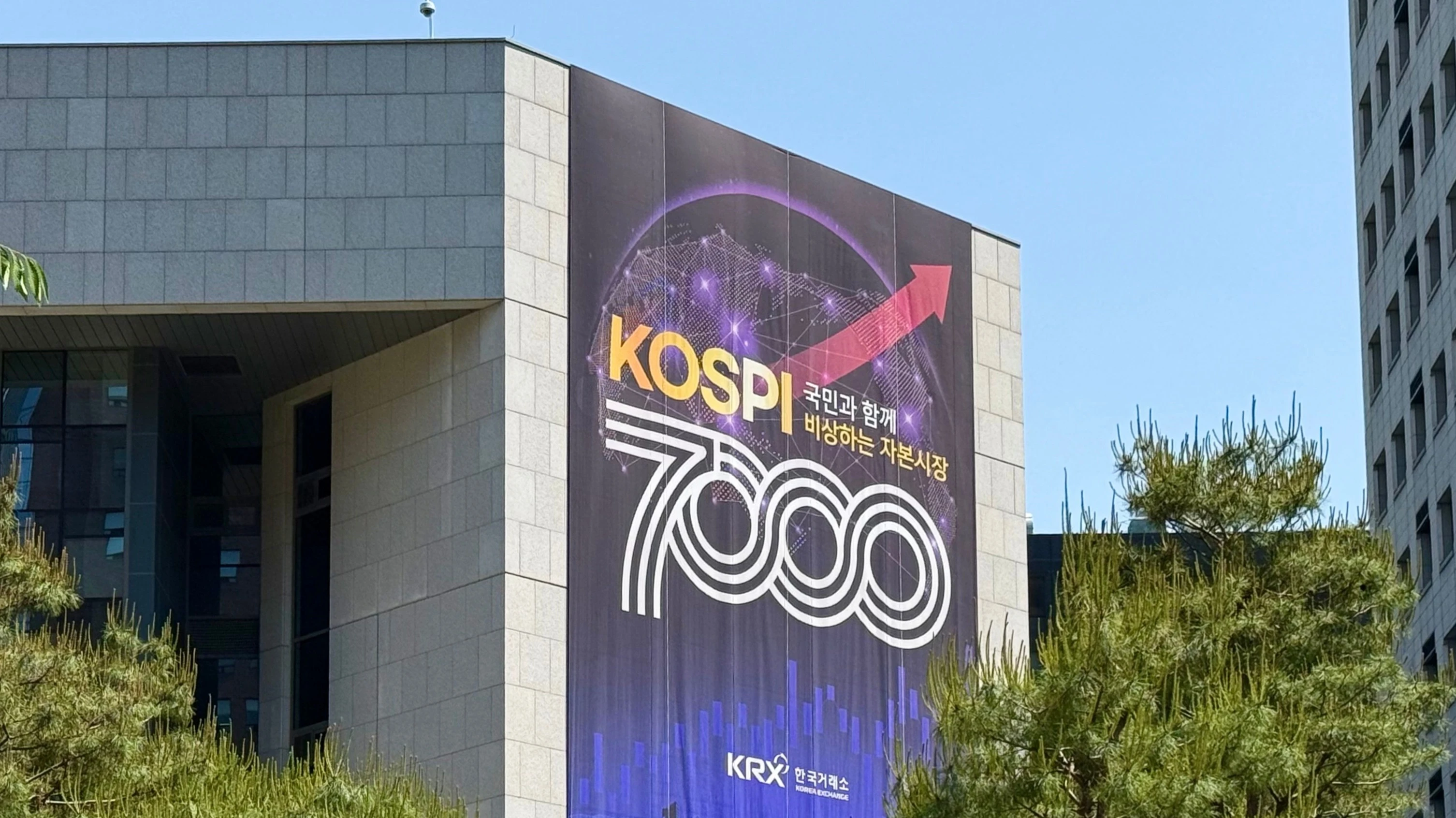
Since its peak in June, the Kospi, South Korea's stock index, has fallen 40% / Photo: yllyso/Shutterstock.com
Goldman Sachs has sharply lowered its growth forecast for the Kospi—South Korea’s main stock index— according to Bloomberg. The investment bank’s team of strategists, led by Timothy Mo, now expects the KOSPI to rise to 9,000 points in 12 months, down from its previous forecast of 12,000. Despite the downward revision, Goldman has maintained its “overweight” rating for South Korean stocks, CNBC reports. This is equivalent to a buy recommendation: even the revised forecast is 64.6% above the Kospi’s closing level on October 26.
The index has become a barometer of investor sentiment toward AI stocks—primarily because it includes two South Korean giants, Samsung Electronics and SK Hynix. According to the research firm TrendForce, these are the world’s two largest manufacturers of DRAM memory chips, and due to the AI boom, such chips are currently in short supply. Goldman has raised its forecast several times this year, most recently in June, and maintained it even when, later that same month, stocks in the index fell during a global sell-off in the AI sector. At the close of trading on October 26, the Kospi was 40% below the record closing high set on June 22.
The bank’s analysts attributed the downgrade to increased volatility and a slowdown in corporate earnings growth, according to CNBC. According to Bloomberg, Goldman strategists now expect investors to value Korean stocks more conservatively, but still believe that “at current levels, the market offers an attractive risk-reward ratio.”
Is the market too pessimistic?
Goldman believes that Korean stocks are significantly undervalued following the sell-off. The KOSPI’s forward P/E ratio (price-to-earnings ratio based on 12-month earnings forecasts) has fallen to around 4—well below normal levels, the bank notes. Strategists attribute this low valuation to excessive pessimism: “The market is pricing in overly negative expectations regarding fundamental indicators,” Bloomberg quotes from their report. In particular, according to Goldman’s calculations, current valuations of memory chip manufacturers imply a 65% drop in their earnings by 2027.
About half of the KOSPI is made up of other companies. The forward P/E ratio for their shares is 7.6, according to Bloomberg. Goldman believes these stocks are undervalued by more than 30%. As was the case before the forecast was lowered, the bank favors the electric power and industrial sectors, stocks that will benefit from corporate governance reform (which expands the rights of minority shareholders), as well as businesses capitalizing on the country’s reflation and Korean pop culture, CNBC reports.
It's not just about AI
Goldman attributes the sell-off in tech stocks in Asia not only to concerns that companies will be unable to maintain their current level of AI spending, but also to rising oil prices and an increasingly hawkish stance by central banks, according to CNBC. In South Korea, the decline has spread beyond the AI sector to the entire market: it is now the cheapest among the world’s major stock markets, Bloomberg reports. Foreign investors, particularly hedge funds, continue to offload South Korean and Taiwanese securities, Goldman noted.
This article was AI-translated and verified by a human editor