Tankers have resumed loading oil from Kazakhstan at a key terminal following the attacks
However, the volume of raw materials delivered to the terminal remains below normal levels

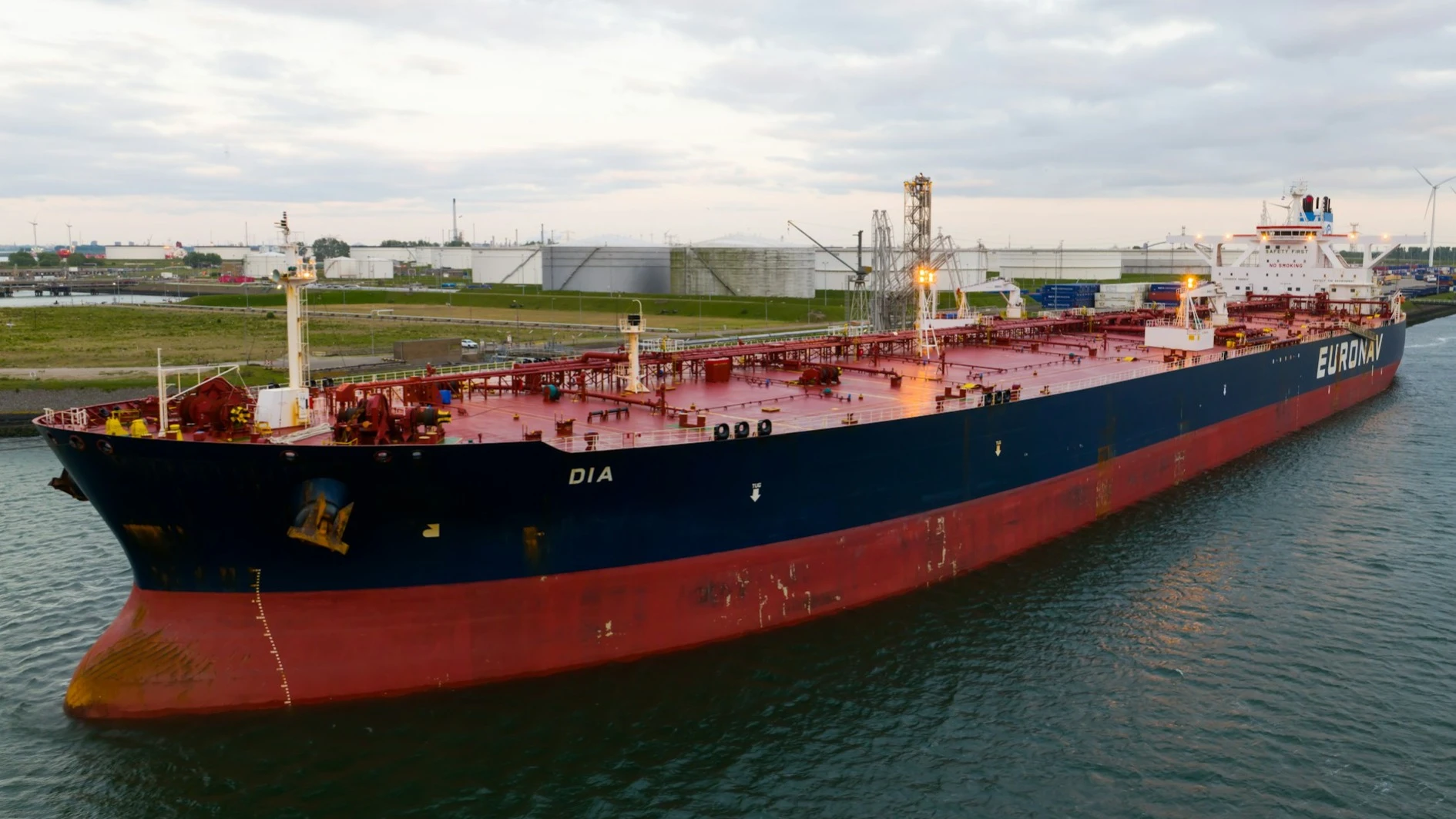
Loading of tankers has resumed at the Caspian Pipeline Consortium terminal / Photo: Unsplash.com / Georg Eiermann
Four tankers completed loading oil from Kazakhstan at the Caspian Pipeline Consortium (CPC) terminal on the Black Sea coast as of July 31, Bloomberg reports. The terminal’s operations were disrupted this year due to drone attacks on tankers, the most recent of which occurred on July 30. On July 31, the CPC temporarily suspended operations on the oil pipeline.
Two ships have already left the port’s waters, according to Bloomberg. At least three more tankers were in the vicinity of the terminal, but it is not yet clear whether they have already completed loading, the publication notes.
What does that mean?
The resumption of oil shipments at the CPC terminal could ease tensions in the global market, which has been under pressure for nearly half a year due to instability in the Middle East caused by the conflict between Iran and the U.S., Bloomberg notes. The CPC system transports oil from Kazakhstan’s largest fields, which are being developed in partnership with Chevron, ExxonMobil, and Shell. Under normal conditions, the pipeline carries nearly 2% of global oil supplies, and Kazakhstan remains the second-largest supplier of oil to Europe, Bloomberg noted.
Producers continue to supply oil to the terminal, although volumes remain below normal levels for now, according to Bloomberg. Since August 1, the terminal has been receiving 100,000 metric tons of oil daily, or approximately 730,000 barrels per day, Kazakhstan’s Ministry of Energy said on August 1. According to Bloomberg sources, the offshore terminal is technically ready to handle the volumes seen before the attacks, but actual export rates depend on the availability of vessels and weather conditions.
Following the attacks on tankers, some shipowners began avoiding calls at the terminal, which led to a sharp rise in freight rates. By the end of last week, the daily charter rate for a tanker to load at the terminal had reached $338,000—nearly double what it was a month earlier, according to data from the Baltic Exchange cited by Bloomberg. Bloomberg notes that the rise in rates could encourage shipowners to once again send vessels to the region.
Bloomberg notes that in July, nine tankers were damaged while either loading at the CPC terminal or in the vicinity. No one has claimed responsibility for the attacks. Bloomberg noted that Ukraine has previously attacked Russian tankers in the Black Sea.
This article was AI-translated and verified by a human editor