The Dow Jones had its worst week since March. What's weighing on stocks?

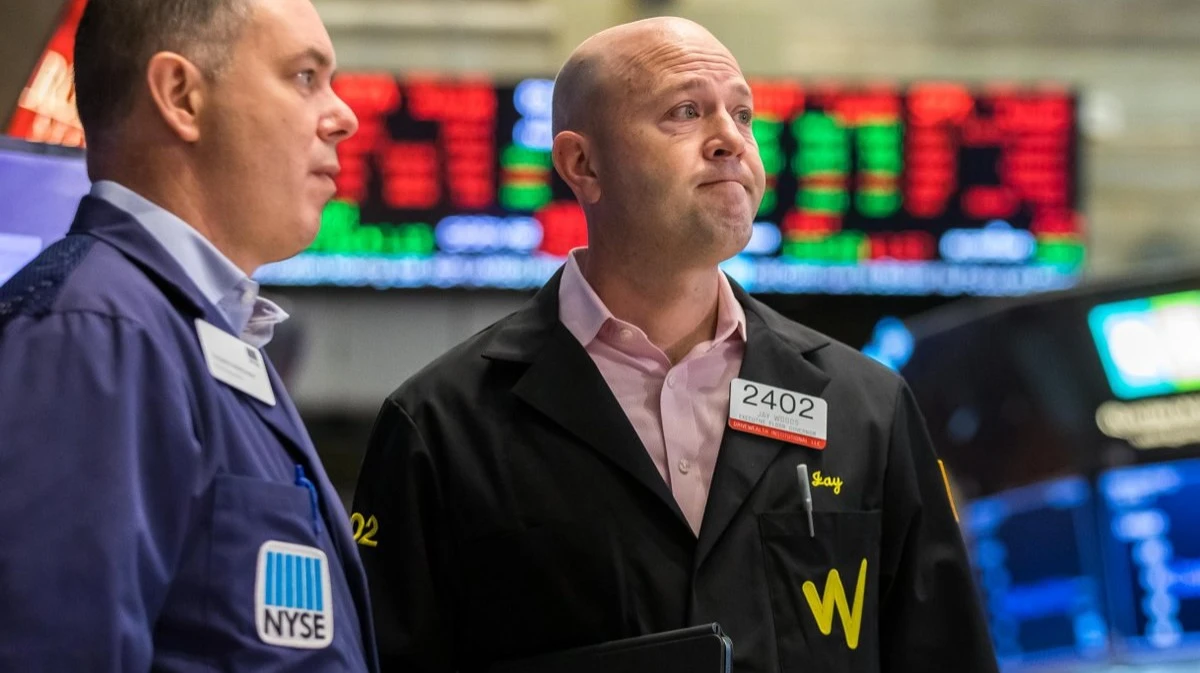
Photo: X / NYSE
The Dow Jones Industrial Average, a "blue-chip" index, had its worst week since March, according to CNBC. At the end of the week, two of the three major U.S. stock market indices posted declines amid concerns about the future path of interest rates after the Fed raised its benchmark rate on Wednesday. Investors are adjusting to the prospect of high interest rates persisting for a longer period and are bracing for volatility, CNBC reports. The U.S.-China summit could be a potential source of surprises next week.
Details
On September 18, the Dow Jones fell 0.2%, and over the past five trading sessions, it has fallen 1.7%. This marks the third consecutive week in which the index has closed lower.
The S&P 500 rose about 0.2% on Friday but fell 0.1% for the week.
The Nasdaq Composite, which focuses on the technology sector, was the only one of the three major indices to end the week higher, gaining 0.7%.
What's Happening in the Market
The U.S. stock market had to contend with the continued rise in Treasury yields this week. The yield on two-year Treasuries, which is sensitive to interest rate hikes by the Federal Reserve, rose to 4.741% on Friday and closed at its highest level since July 1, 2024, according to Dow Jones Market Data cited by MarketWatch .
The yield on 10-year bonds—which are closely monitored because of their impact on borrowing costs for consumers and businesses— exceeded 5% at the start of the week, reaching its highest level since July 2007, before falling slightly and closing at 4.995% on Friday.
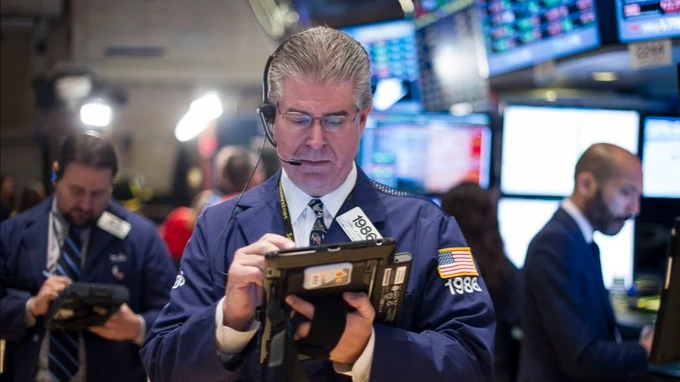
Markets remain “on edge” due to high oil prices and bond yields, and the period of heightened volatility typical of September and October “is not over yet,” noted Rick Gardner, chief investment officer at RGA Investments, whose note was cited by Bloomberg.
The market managed to partially recover from the losses caused by the Fed’s decision to raise rates for the first time in three years, particularly in the technology sector. This shows that investors are willing to look past concerns that interest rates will remain elevated for an extended period and are once again focusing on artificial intelligence, which is expected to continue supporting corporate earnings growth, CNBC explains.
"As long as the economy remains strong enough to more than offset the impact of rate hikes, stocks may well continue to rise," CNBC quotes David Miller, chief investment officer at Catalyst Funds, as saying.
“There’s a little less uncertainty this week after the Fed raised rates,” said Scott Welch, chief investment officer at Certuity. Like the vast majority of analysts, he does not view the September rate hike as a one-off measure. In his view, the rate-hiking cycle is just beginning and could hold back stock market growth in the coming months, according to CNBC. “At some point—in October or after the election [to Congress]—the Fed, I believe, will raise rates at least one more time in 2026, and then likely one or two more times in 2027,” he said. Based on this, Welch expects U.S. Treasury yields to continue rising.

What the market will be watching next
Against the backdrop of concerns about a slowdown in market growth, the importance of next week’s U.S.-China summit in Washington is growing, CNBC notes . The network emphasizes that no major breakthroughs are expected from the meeting between U.S. President Donald Trump and Chinese President Xi Jinping, either on tariffs or on the topic of artificial intelligence. However, if relations deteriorate sharply—resulting in the U.S. losing an important mediator in the conflict with Iran—the energy crisis could worsen, potentially triggering a correction in the stock market, CNBC warns.
At the same time, any signs of cooperation between the two countries could trigger a sharp rise in optimism among investors.
“I don’t have a crystal ball, and I have no idea what’s going on in the minds of the leaders involved. I can only look at their incentives, and the economic incentives for de-escalation and reaching a deal are enormous. Perhaps right now, both sides have the most leverage,” wrote Rich Privorotsky, head of the European division of Goldman Sachs’ One Delta Trading, on Friday. “China is important because there is virtually no trust between the parties [to the conflict over the Strait of Hormuz], and Beijing has the potential to act as a mediator if it receives enough in return.”
This article was AI-translated and verified by a human editor