Turkey's sovereign wealth fund injected money into the stock market. Did it manage to halt the decline?
On September 17, inflows into Ziraat’s exchange-traded funds, which track Turkish bank stocks and the BIST 30 “blue-chip” index, exceeded $80 million

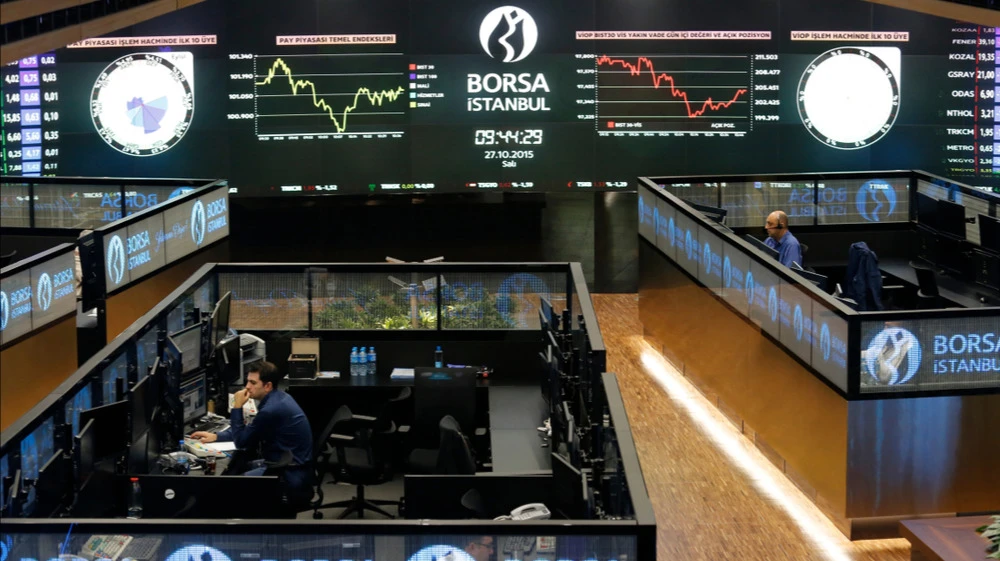
Over the past week, the Istanbul Stock Exchange's BIST 100 index has lost more than 8% / Photo: Sahan Nuhoglu / Shutterstock.com
On September 17, Turkey’s sovereign wealth fund bought shares in local companies to support the country’s stock market, according to sources cited by Bloomberg. Financial injections and other measures by Turkish authorities led to a nearly 3% rise in the Istanbul Stock Exchange’s main index, the BIST 100, on Thursday, but on Friday it resumed its decline and ended the week down 8.2%. The Turkish government is trying to cope with the fallout from the investment fund crisis, which led to a collapse in the prices of hundreds of local stocks.
Details
On Thursday, Turkey’s sovereign wealth fund, the Turkish Wealth Fund, purchased shares through an exchange-traded fund managed by the state-owned brokerage firm Ziraat Portfoy — in an effort to support the Borsa Istanbul 30 index, which includes the country’s 30 largest publicly traded companies, Bloomberg reported, citing sources.
On Thursday, inflows into Ziraat’s exchange-traded funds (ETFs), which track Turkish bank stocks and the BIST 30 index, totaled 4.05 billion lira ($83 million). This is the highest figure since April 2025, the agency notes. Like the BIST 100, the BIST 30 fell during the first three days of this week but rose 4.2% on Thursday. On September 18, the index lost 1.2% and ended the week down approximately 6.2%.
The inflow of funds also contributed to an 8.9% rise in the BIST Banks index on September 17. On Friday, it fell by only 0.6%.
According to one of Bloomberg’s sources, the fund will continue to intervene if it sees extreme volatility in the coming days. A spokesperson for the Turkish Wealth Fund did not respond to the agency’s request for comment.
What's Happening in the Turkish Market
Financial injections into the stock market became one of the Turkish government’s measures to stabilize the market after several large investment funds—which had inflated a bubble in illiquid stocks—reported capital outflows that they were unable to quickly cover. When the bubble burst, investors withdrew up to $1 billion from Turkish funds in a single day.
Tensions had been mounting since August, when regulators responded to unusual price movements in certain stocks of companies with low free float—that is, the proportion of shares in free circulation—and tightened requirements for funds with a high concentration of investments in such stocks. As a result, some fund managers were forced to close out their positions.
The authorities took several steps at once to restore investor confidence in the market. The regulator ordered the liquidation of 131 investment funds and suspended trading in fund shares managed by seven asset management companies at the center of the scandal. The funds slated for liquidation had attracted more than 350,000 investors, and their total investment volume stood at $18 billion as of the evening of September 16.
The Central Bank also increased the amount of funding provided to banks through repo transactions to 300 billion liras and raised the limits on interbank borrowing tenfold, according to Bloomberg.

Authorities have detained executives from several financial companies as part of an investigation into alleged market manipulation. Among them are Muhammad Yaryz, chairman of the management company Pusula Portföy, and Ibrahim Bekçi, deputy CEO of Tera Portföy. Their statements that it was impossible to return investors’ money triggered a sell-off of shares this week. Several other executives, including Emre Tezmen, chairman of Tera Holding, have been barred from leaving the country.
The Financial Stability Committee stated that liquidity issues had affected a limited number of funds. The regulator described the situation as “temporary and manageable” and stated that it does not pose a systemic risk to the Istanbul Stock Exchange or the country’s financial system.
This article was AI-translated and verified by a human editor