The best-performing market of the year experienced its strongest sell-off since 2024. Who's down?
Global funds have withdrawn more than $3 billion from local assets amid a wave of risk avoidance

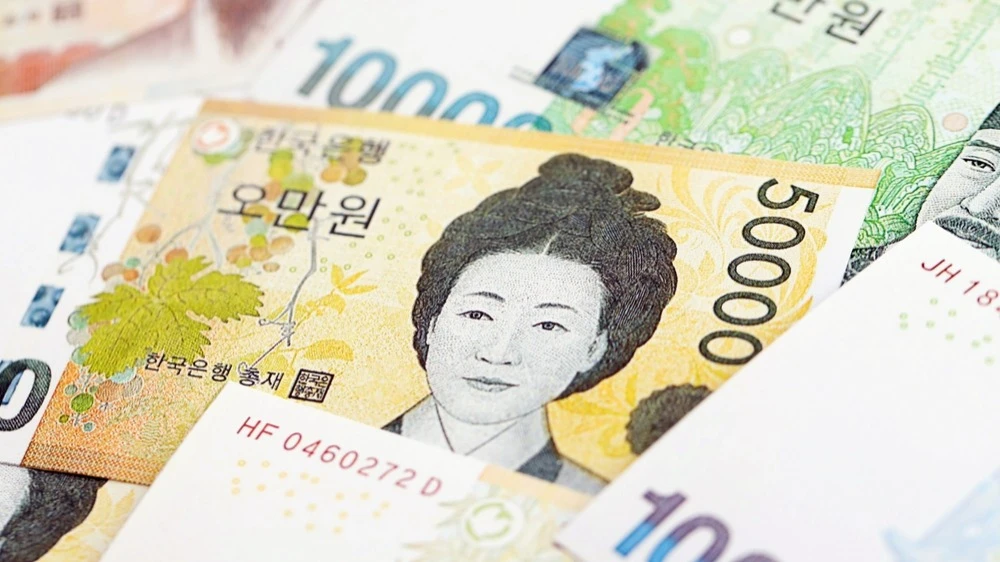
South Korea's flagship stock exchange index Kospi fell 7.2% / Photo: Mehaniq/Shutterstock
South Korea's flagship stock exchange index Kospi fell 7.2% in trading on March 3: this session was the worst for it since August 2024, Bloomberg writes. Local stocks fell sharply in price as the military conflict in Iran raised concerns about rising energy prices.
Details
Global investment funds got rid of local assets worth more than $3 bln, Bloomberg reported. At the same time, retail investors bought back a similar volume using accumulated record cash reserves, the agency emphasizes.
Panic in the South Korean market on Tuesday reached such a scale that a sharp collapse in Kospi futures forced the exchange to temporarily suspend program trading, Bloomberg reports. This protective mechanism was activated to forcibly reduce volatility. As a result, the South Korean market showed the worst dynamics in the region. The MSCI Asia Pacific composite index sagged by 3%, recording the deepest daily decline since April last year.
"A protracted conflict involving Iran poses a risk of continued high oil prices, which amplifies inflation risks and complicates the U.S. Federal Reserve's path to policy easing," said Jeong In Yoon, CEO of Fibonacci Asset Management Global.
Sector dynamics in the South Korean market showed a sharp contrast. While shares of airlines and automakers declined significantly, the oil and gas sector performed better than the market. The real engine of growth was defense companies: quotations of such contractors as Hanwha Aerospace and LIG Nex1 soared by more than 19% each, Bloomberg adds.
Anti-favorites of the South Korean market
The main outsiders in the market were the giants of the semiconductor industry - Samsung Electronics and SK Hynix, whose shares collapsed by almost 10% each. It is noteworthy that before the U.S. and Israeli military operation against Iran, the South Korean stock market demonstrated the best results in the world (the Kospi index still maintains growth of 37% since the beginning of the year), Bloomberg points out.
Meanwhile, Samsung and SK Hynix accounted for much of that growth thanks to the boom in artificial intelligence and memory demand. The March 3 plunge erased about $170 billion of the duo's combined market capitalization, making investors nervous as they bet on a continued rally.
Equity strategist at JPMorgan Private Bank Cameron Chui believes profit taking was expected after strong gains this year, and the current pullbacks represent buying opportunities - provided the escalating conflict with Iran remains under control.
This article was AI-translated and verified by a human editor