Citi's market risk indicator has risen to its peak since the crisis. Is it time to sell shares

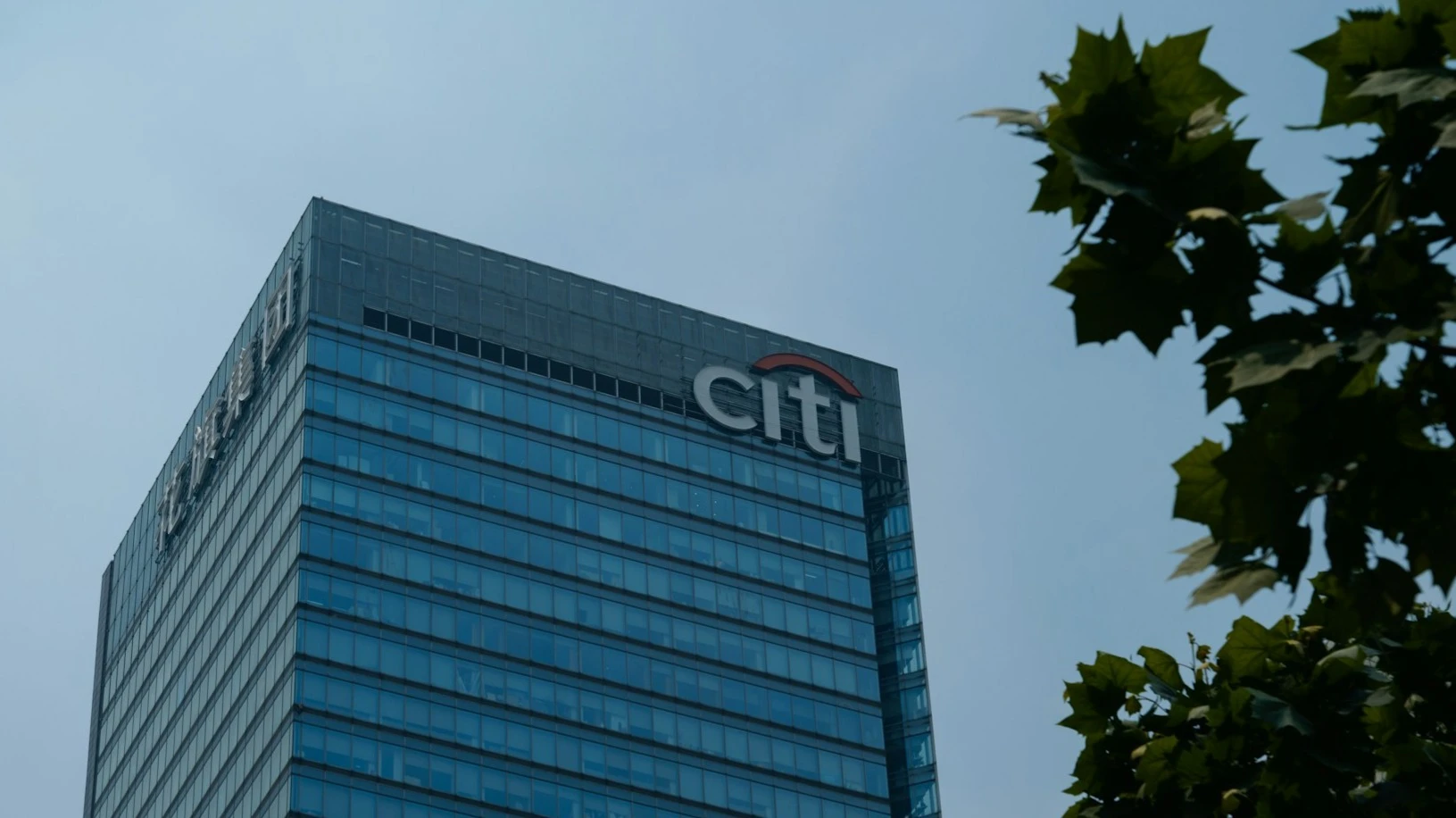
Market risk indicator at highest since 2008 crisis, says Citi/ Photo: Unsplash/Declan Sun
The indicator, which tracks signs of stock market overheating, has reached the maximum level since the financial crisis of 2008, Citigroup found out. However, this is not a reason to get out of shares yet, analysts say: none of the signals indicates a significant decline in quotations. This assessment, however, appeared on the day when the "technological" index Nasdaq 100 collapsed by more than 4% - the strongest pace in more than a year.
Details
The Bear Market Checklist indicator now shows 10 out of 18 warning signals ("flags") in the global market and 11.5 out of 18 for U.S. stocks, Marketwatch quotes a report by Citi analysts. At the same time, they note that current indicators remain markedly below the levels that preceded the largest "bear" markets of recent decades. Before the dot-com crash in 2000, the indicator reached 17.5 out of 18 points, and on the eve of the global financial crisis in 2008 - 13 out of 18 points. For this reason, Citi does not yet see signs of "excessive euphoria" in the market and maintains a positive view on stocks.
"When the number of signals becomes double-digit, historically it starts to grow faster, which may indicate an acceleration of risk accumulation. If the number of "flags" continues to increase, it will be a clear indication that it is not at all necessary to participate in buying on a downturn," the bank's strategists noted.
The Citi indicator takes into account a broad set of market factors, including stock valuations, investor sentiment, credit spreads, yield curve, fund flows to funds, corporate performance and capital markets activity, Marketwatch notes. Among the current red flags, analysts highlight high equity valuations in a number of market segments, growing investor optimism, increased capital spending by large AI companies, and a rebound in the IPO and equity issuance market, which indicate strong demand for risky assets.
However, none of these factors indicate an imminent decline in the stock market, MarketWatch writes. Some indicators can be regarded as positive: for example, credit spreads remain low, the bank's analysts believe.
Context
The warning of analysts sounded after a long period of growth of the U.S. stock market. The S&P 500 index has already recorded 24 record closing trades since the beginning of the year, Marketwatch notes.
But on Friday, June 5, the U.S. market was hit by a large-scale sell-off. The Nasdaq 100 index was down 4.3% less than an hour before the end of trading, which was its strongest drop in one day since April 2025, Bloomberg writes. The S&P 500 broad market index was losing 2.7% and the Dow Jones was losing 1.5%.
This article was AI-translated and verified by a human editor