OPEC oil production falls to 37-year low

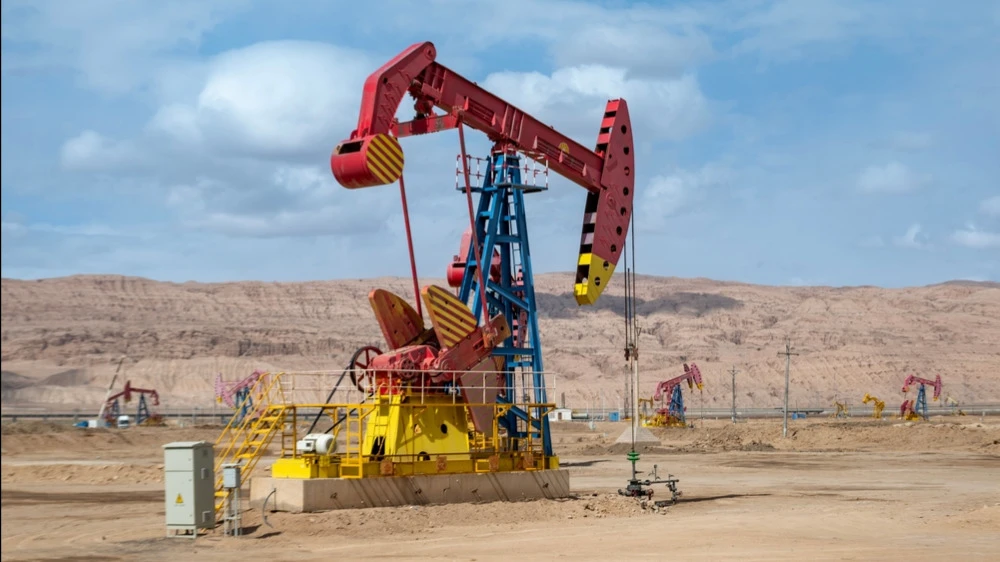
Iran's production fell the hardest last month, by 710,000 bpd / Photo: windykvzl / Shutterstock.com
Oil production of 11 OPEC members in May decreased by 1.22 million barrels per day - to 16.33 million barrels, according to Bloomberg research. This is the lowest figure since at least 1989, the agency notes. Moreover, more than half of the decline fell on Iran. Blockade of ports of the Islamic Republic by the U.S. and disruptions of supplies from the Persian Gulf continued to limit the production of hydrocarbons. In addition, the United Arab Emirates was excluded from the analysis, as the country last month left OPEC after six decades of membership.
How Gulf production has changed
- Iran's production fell the hardest last month, by 710,000 bpd to a five-year low of 2.3 million barrels, Bloomberg wrote. U.S. Central Command said U.S. forces have diverted 127 commercial vessels to enforce a blockade of all of the country's maritime traffic.
- Kuwait's production fell 310,000 bpd to 490,000 - less than a fifth of pre-war levels.
- Saudi Arabia produced 240,000 fewer, about 6.6 million bpd.
- Production from the OPEC-left UAE went against the Middle East trend in May, rising by 300,000 bpd to 2.44 million. The emirates' state oil company Adnoc was among the exporters that managed to get some oil cargoes through the Strait of Hormuz, Bloomberg sources said last month. Saudi Arabia's Aramco Trading also made the list.
The Bloomberg data is based on court tracking, information from officials and estimates from consultants Rapidan Energy Group, FGE NexantECA, Kpler and Rystad Energy.
What about the prices
In trading on Friday, June 5, oil prices fell: markets focused on hopes for a peace deal, notes Barron's. Futures for Mark Brent fell by 2.2% and fell below the mark of $93 per barrel. West Texas Intermediate futures were losing 3.1%, trading at $90 a barrel.
The U.S. and Iran have largely maintained a ceasefire while talks between them continue. Meanwhile, the Israeli military and Lebanese Hezbollah militants exchanged strikes on Thursday despite a separately agreed truce. Tehran earlier said it would suspend talks with the US if Israel continued military action in Lebanon.
"The longer supply disruptions continue, the more vulnerable the oil market should become and, in theory, the more susceptible it will be to sharp upward moves whenever hopes of de-escalation fail to materialize," Barron's quoted ING currency strategist Francesco Pezole as saying in a note. - Hence, for oil prices to hold at current levels, there must be a significant amount of optimism about a peace deal embedded in them".
This article was AI-translated and verified by a human editor