The founder of the bankrupt real estate developer Evergrande has been sentenced to life in prison in China
The businessman was a symbol of the country's construction boom

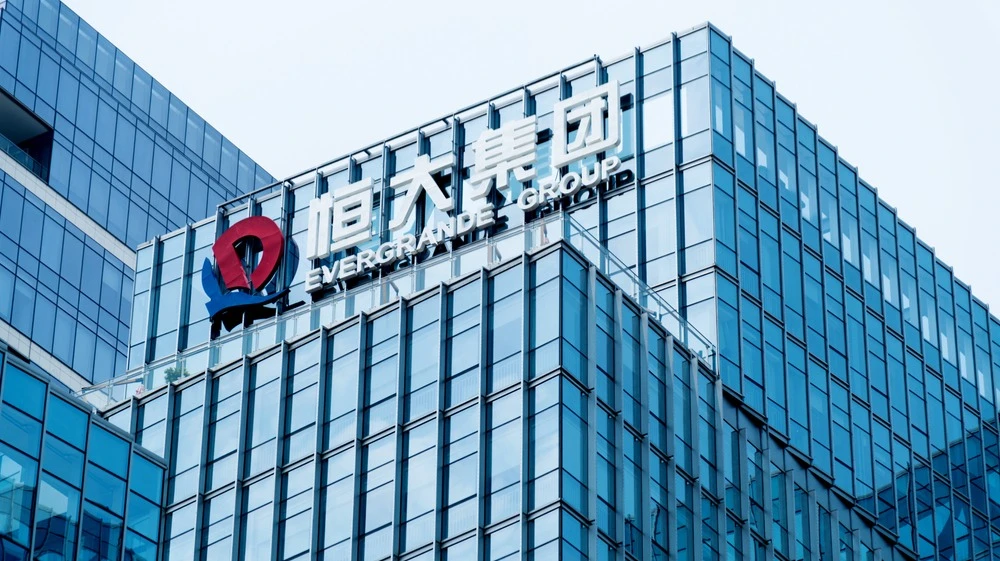
China Evergrande Group was once China's largest real estate developer by revenue / Photo: hxdbzxy/Shutterstock.com
Hui Ka Yan, founder of China Evergrande Group—once China’s largest real estate developer by revenue—has been sentenced to life in prison for orchestrating a massive financial fraud, Bloomberg reports. This verdict brings to a close one of the biggest corporate collapses in China’s history, which left international bond investors and Chinese banks with billions of dollars in losses, the agency added.
During the real estate market’s period of rapid growth, Evergrande aggressively increased its debt burden, becoming the most indebted developer in the world. At the height of its success, the company built more than 1,300 projects in 280 cities. Hui Ka Yan was Asia’s richest person, according to Reuters. However, the crackdown on the real estate sector launched by Beijing in 2020 limited the company’s ability to raise debt, effectively cutting Hui off from credit markets. The company’s default in late 2021 triggered a series of government investigations that uncovered systemic violations in its operations. After unsuccessful attempts at restructuring, an order was issued in Hong Kong in 2024 to liquidate the company.
The Essence of the Charges
In addition to Hui Ka-yan, 56 other people have been convicted in the case. The court ruling calls for the complete confiscation of the founder’s personal assets. Furthermore, Evergrande, the Hong Kong-listed parent company, was fined 8.82 billion yuan ($1.3 billion), and its mainland subsidiary, Hengda Real Estate, was ordered to pay an additional fine of 7 billion yuan.
Chinese regulators determined that the corporation’s financial growth was based on falsified data: management systematically inflated the value of its assets and concealed the true extent of its liabilities. In April, Hui Ka Yan pleaded guilty to key charges. These included misappropriation of company funds, fraud in raising capital and issuing securities, and violations of corporate disclosure rules. In addition, the founder was found guilty of bribery and illegally siphoning off company assets through dividend schemes. According to Bloomberg’s calculations, over the past decade, Hui has received more than $7 billion thanks to the company’s generous payouts.
“The amount involved in the crime is exceptionally large, the circumstances are particularly egregious, the economic damage inflicted is exceptionally severe, and the harm to society is extremely serious,” according to a statement from the state news agency Xinhua. Evergrande and Hui “must be severely punished in accordance with the law,” it added.
The sentencing of the company's leadership does not mark the end of the legal proceedings surrounding Evergrande, Bloomberg notes. The company is in the process of liquidation. Domestic and international creditors are continuing to audit the remaining assets as part of debt restructuring and compensation procedures for colossal losses, the agency explained.
This article was AI-translated and verified by a human editor