Citrini, who spooked the market, announced a “new paradigm” in the crypto market. What does AI have to do with it?

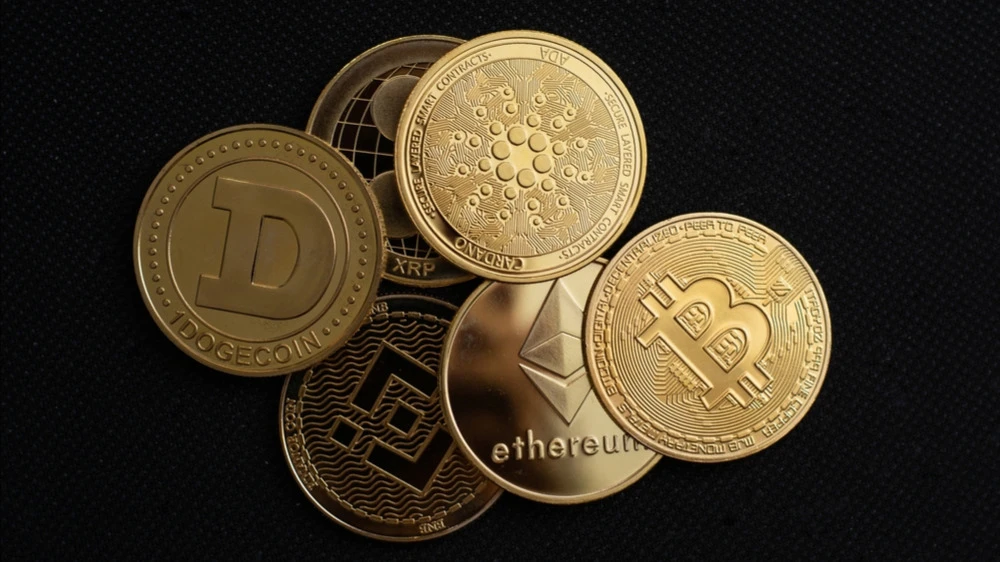
Researchers believe that AI agents, such as Muse and Dot, will be better suited to conducting autonomous trading of tokenized assets / Photo: windwalk / Shutterstock.com
Citrini Research, whose forecast about the disruptive impact of AI on the labor market was one of the reasons behind the sell-off of U.S. stocks earlier this year, believes that a “new paradigm of fundamental investing in cryptoassets” is emerging. According to the researchers, blockchain could become the foundation of a financial system in which AI agents—such as Meta’s Muse and OpenAI’s Dot—will independently execute trades and settle transactions.
“Over the past 15 years, the blockchain industry has created something that appears to be useful in the world of AI agents: a programmable financial infrastructure that operates around the clock, in which assets, property rights, and settlements can coexist,” the research firm wrote in a report published on Thursday.
According to Citrini, public companies that could benefit from this trend include Robinhood Markets, Coinbase, Bullish, and Securitize. The company also mentioned the cryptocurrencies Ether and Solana, as well as the stablecoin issuers Circle Internet Group and Ethena.
A more favorable regulatory environment is also contributing to the spread of tokenization, according to Citrini. A few days after the U.S. Congress failed to pass a landmark cryptocurrency bill, the Securities and Exchange Commission (SEC) granted a five-year exemption allowing qualified trading platforms to conduct blockchain-based transactions involving tokenized shares of U.S. companies.
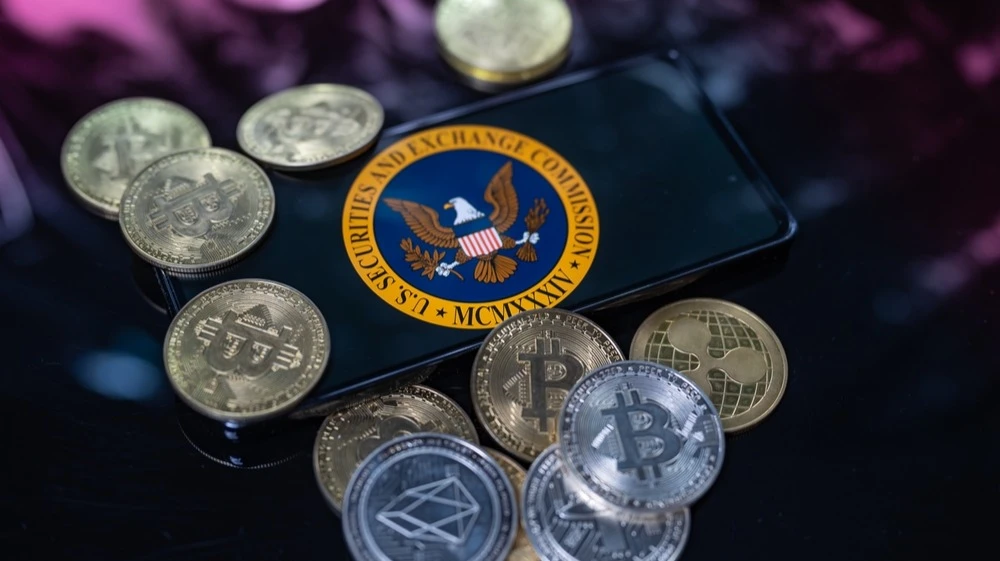
The tokenization of real-world assets has long been touted as one of the most viable use cases for blockchain—the distributed ledger technology that underpins most cryptocurrencies. Major Wall Street firms, including BlackRock, have already announced plans to tokenize certain assets, according to Bloomberg.
According to Citrini, the turning point came when Hyperliquid—a blockchain-based cryptocurrency exchange—proved to be one of the few platforms where, during the conflict with Iran, it was possible to trade derivatives linked to oil prices around the clock, including on weekends, trade derivatives linked to oil prices.
“Since then, the adoption of tokenized real-world assets has accelerated significantly,” the report states. “Over the past month, we have seen large-scale changes begin to take place in the crypto industry, which appears to signal the arrival of a turning point.”
Since the SEC authorized trading in tokenized assets, the cryptocurrency market has picked up. Over the past month, Bitcoin has risen 4.3%, while Solana—mentioned in the Citrini report—has risen 7%. Ethereum, the second-largest cryptocurrency by market capitalization, fell 1% over the month after major token holder BitMine announced on October 7 that it would no longer purchase this cryptocurrency, having reached its target holdings.
This article was AI-translated and verified by a human editor