'The housing market is in for a long winter': why is Michael Burry buying mortgage giants?
A prominent investor took advantage of the recent downturn to increase stakes in Fannie Mae and Freddie Mac

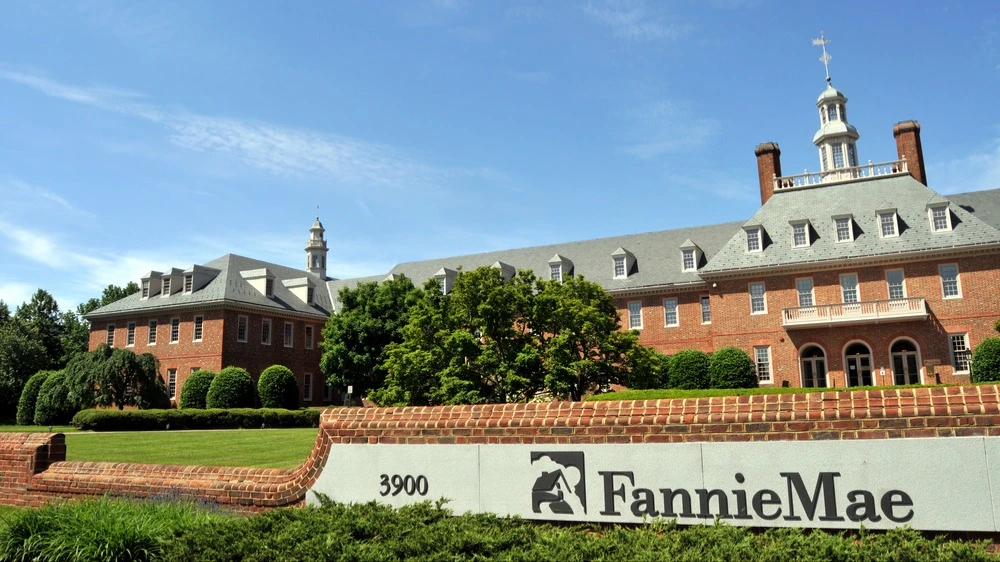
The White House has long discussed removing Fannie and Freddie from government oversight through an IPO / Photo: Frontpage / Shutterstock.com
Michael Burry said that he bought shares of mortgage agencies Fannie Mae and Freddie Mac on the fall, although he himself expects a "long winter" for the housing market. The legendary short-seller believes that a full-fledged listing of the companies is likely not possible until 2027 - hampered by weak Wall Street interest, complex deal structure, high rates and risks to the housing market. At the same time, according to Burry, for the growth of securities is more important not the IPO itself, but the transfer of shares from the OTC market to the exchange and a clear decision on preferred securities of the U.S. Treasury Department, as it depends on what will be given to current shareholders.
Details
Burry wrote in his Cassandra Unchained blog on Substack on March 26 that he was buying shares of both mortgage giants on the decline. In mid-March, Fannie Mae quotes collapsed to lows since early 2025.
"In the text of Fannie & Freddie, Toxic Twins No More No More? (published in December 2025 - Oninvest) I wrote that I owned these securities, but I didn't buy them then - and I should have said it directly. When the quotes dropped into the $6-7 range, I bought up - just like I did the last time they were at those levels. And when the stock went down to $4-something, I bought even more

That said, his view of the U.S. housing market remains sharply negative.
"I do think the housing market is in for a long winter. Prices have risen following mortgage rates, causing supply to be effectively locked in, and developers have managed to build too many poor quality homes in bad locations. A maintenance and repair nightmare lies ahead. And even if rates come down, house prices could still go down as the freed-up supply floods into the market"

Burry connects the risks for housing not only with the real estate market itself, but also with the macroeconomy: a separate risk investor considers inflationary consequences of the war with Iran and import duties imposed by the United States. He is sure that if Americans will wait for a further rise in mortgage rates, it may prompt them to more active actions now - to refinance, sell, buy housing or withdraw capital from real estate. And a surge in mortgage activity and increased need for mortgage capital could also improve conditions for the Fannie Mae and Freddie Mac IPOs.
That said, Burry stipulates that he is skeptical of the mortgage giants' prospects for rapid deployment.
"I believe that an IPO, at best, may not happen until 2027. The war with Iran, and Wall Street's tepid response, has effectively put a stop to the IPO issue. Higher rates could spill over into the mortgage market and hit an already volatile housing market. And regardless of whether Fannie and Freddie would have helped the mortgage market more if they had been freed from these restrictions, the reputational and political risks here are too great"

Burry writes that his bet on Fannie Mae and Freddie Mac is related not so much to the hope for a quick IPO as to the expectation of a clear decision on the future of the companies. He believes that a full-fledged offering is not necessary at all: in his opinion, the transfer of securities from the over-the-counter market to the stock exchange and the decision on the preferred shares of the U.S. Department of the Treasury, on which depends how much value in the end will be left to current investors, are more important for the growth of shares.
Context
Fannie Mae and Freddie Mac have been under government control since 2008, when, amid the mortgage crisis, the regulator imposed an external management regime on them. In exchange for financial support, the U.S. Ministry of Finance received preferred shares and warrants to purchase 79.9% of common shares of both companies. Formally, they remain private, but are actually controlled by the state.
Donald Trump's team has long discussed getting Fannie and Freddie out of receivership through a major stock offering. Back in 2025, the WSJ wrote that the White House was considering selling some of the state's roughly $30 billion stake. But by early 2026, no decision had been made.
One of the most prominent participants in this discussion is Bill Ackman, whose foundation owns a significant stake in Fannie and Freddie - more than 210 million shares. He publicly criticizes the idea of a classic IPO in the current environment and suggests another option: first transfer the securities from the over-the-counter market to the New York Stock Exchange, then allow the companies to further build capital at the expense of profits and only then, if necessary, to conduct a more careful placement.
This article was AI-translated and verified by a human editor