The UAE will accelerate construction of an oil pipeline to bypass the Strait of Hormuz. This will double exports

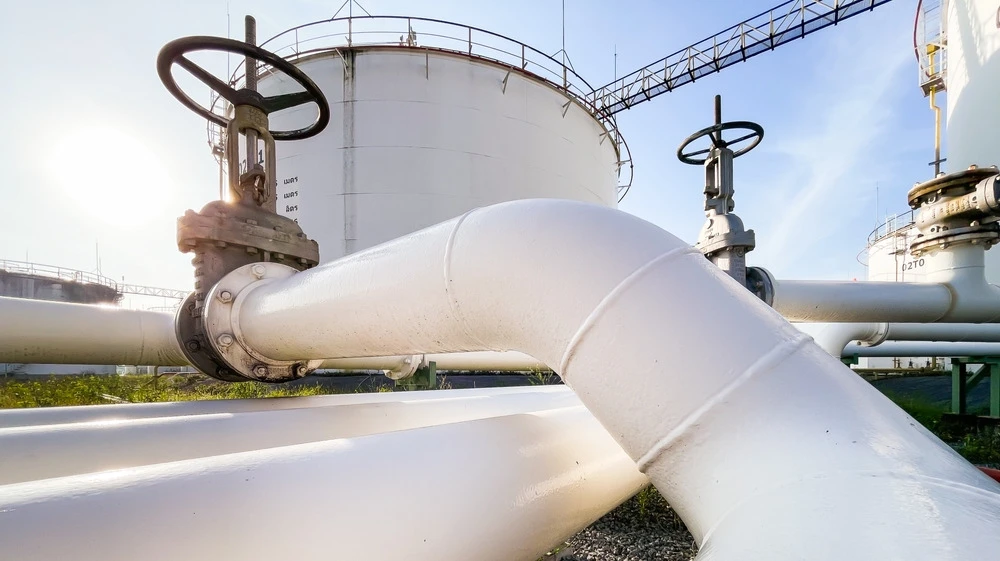
The new pipeline will double export capacity through the port of Fujairah by half, with 1.8 million bpd now flowing through it / Photo: SUCHIN1975 / Shutterstock.com
Abu Dhabi will speed up construction of a second branch of an oil pipeline to the port city of Fujairah on the Gulf of Oman coast amid the Iran war. Crown Prince Sheikh Khaled bin Mohammed bin Zayed Al Nahyan called for the project to be rushed to meet growing global energy demand.
In this way, the country is trying to expand export capacity bypassing the now blocked Strait of Hormuz, one of the key bottlenecks in the global oil trade, CNBC reported. This will make it possible to double the current export capacity of Abu Dhabi National Oil Company (ADNOC) by next year. Previously, it was planned only to launch the branch in 2027.
According to the Crown Prince, ADNOC is "well-positioned as a responsible and reliable global energy producer and has sufficient operational flexibility to increase production as needed to meet market demands when export constraints allow."
already operates a 1.5 million bpd pipeline from its oil fields to a port on the country's east coast that proved vital during the Middle East conflict. The existing pipeline has helped the UAE continue to supply markets, offsetting a blow to oil revenues after Iran effectively cut off the normal route through Hormuz shortly after the war began in late February.
The Habshan-Fujairah pipeline, with a current capacity of up to 1.8 million bpd, remains the only route through which the UAE can export oil to bypass the Strait of Hormuz. It has ensured that supplies remain available to markets, offsetting the blow to the country's oil revenues. But the port of Fujairah itself is vulnerable: it has already suspended shipments several times due to Iranian drone attacks. A hit by one of them led to a fire on Ma. 4.
Saudi Arabia also has an oil pipeline to a port on the Red Sea coast, thanks to which the country has been able to recover more than half of its oil exports. So far, Saudi Arabia is the only major producer with a meaningful alternative to supply through the Strait of Hormuz, which connects the Persian Gulf to the open sea but is effectively blocked by Iran.
Before the U.S. and Israel's war with Iran, the UAE produced just over 3 million barrels of oil per day - roughly at the level of OPEC+ quotas. Abu Dhabi had hoped to increase production capacity to 4.9 million bpd. However, now the UAE's production is only 1.8-2.1 million barrels per day, CNBC points out. Earlier this month, the Emirates announced its withdrawal from OPEC and OPEC+.
This article was AI-translated and verified by a human editor