'Not by a click': when will oil from the Middle East return to the Strait of Hormuz?
Announcement of a peace deal between the US and Iran has already lowered quotations, but we should not expect a quick recovery of supplies

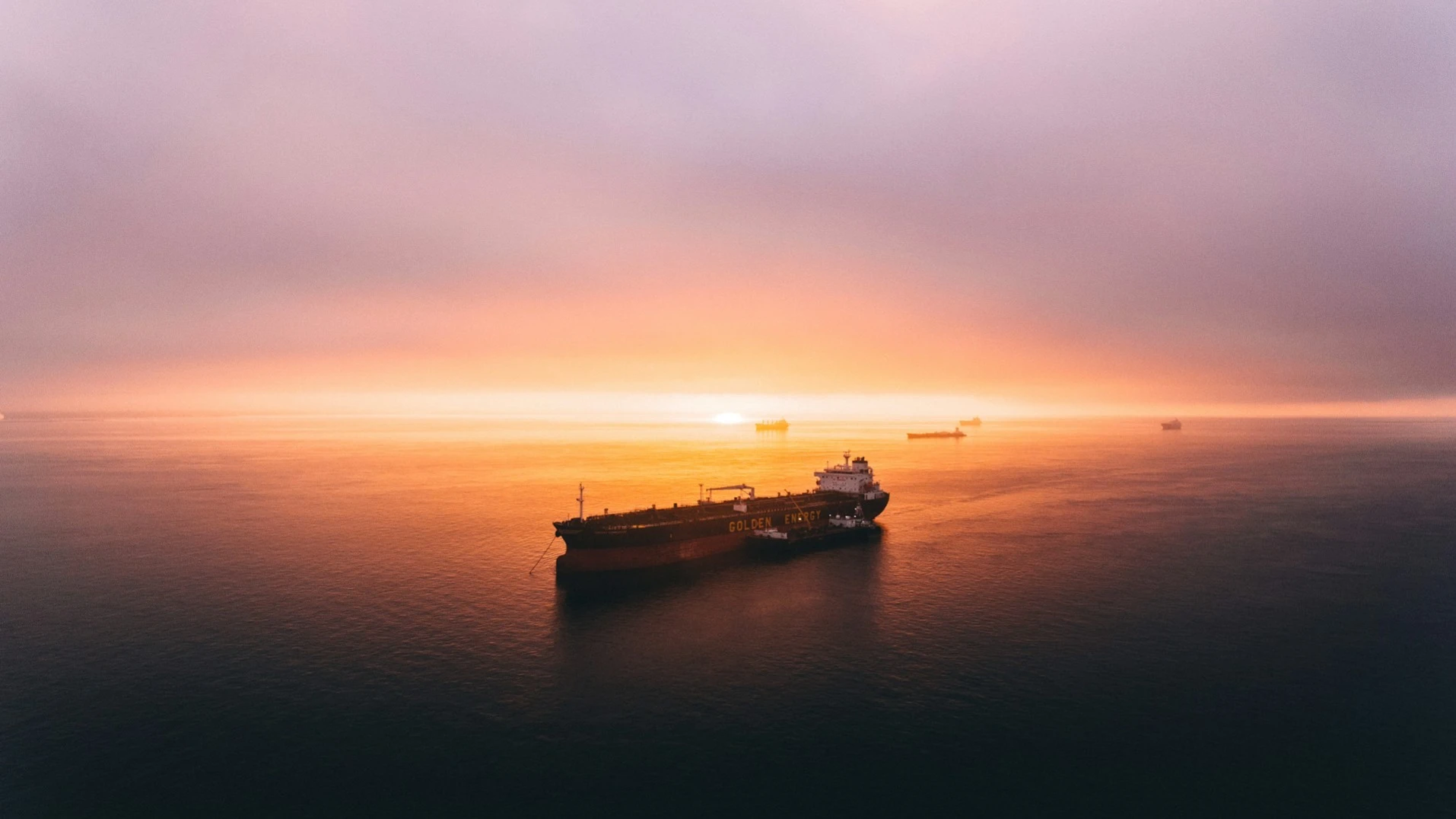
Oil markets reacted positively to the agreement between the US and Iran / Photo: Unsplash/Ian Simmonds
Oil markets reacted positively to the agreement between the U.S. and Iran, which should unblock the Strait of Hormuz and restore fuel supplies, Bloomberg writes. However, analysts warn that the return to normalcy will take months: only the elimination of congestion from hundreds of ships stuck in the Gulf will take weeks, says the Financial Times. The recovery of oil flows will be slow, and the route itself will remain vulnerable to new geopolitical escalations.
What the analysts are saying
- "The market tends to treat the resumption as a flick of a switch, but in reality it's more of a process," said Karobaar Capital 's chief investment officer Haris Khurshid, quoted by Bloomberg. - Physical flows can resume quickly. Confidence, as a rule, does not return quickly." The opening of the Strait of Hormuz and the normalization of trade flows are different things, Khurshid argues. Many buyers have spent months securing alternative routes, suppliers and supplies, and they may not return to the Strait immediately after it opens.
- Helima Croft, head of global commodities strategy at RBC Capital Markets, compared the opening of the Strait of Hormuz to the situation in the Red Sea following the Houthi attacks from Yemen, the FT writes. "Traffic in the Red Sea is now about 56% below pre-conflict levels," Croft noted, adding that many major shipping companies continue to avoid the route due to security concerns. She emphasized that even to achieve the limited traffic levels "will take a long time, given the multi-week ship logistics that will begin immediately after the opening."
- "While these uncertainties point to upside risks to our forecast for Brent crude futures to reach $80 a barrel by year-end, it's worth noting: oil flows through the Strait of Hormuz only need to recover to 60-70% of pre-war levels to return the market to previous expectations of a supply glut," said Commonwealth Bank of Australia commodities strategist Vivek Dhar(quoted by Reuters).
- "While the conflict may have come to an end and oil flows through the Strait of Hormuz may gradually return to normal, the damage already done cannot be repaired overnight," emphasized Phillip Nova Pte analyst Priyanka Sachdeva. - This includes not only physical damage to oil infrastructure, but also the economic burden on oil-importing countries, which have faced higher energy costs for months" (quoted by Bloomberg).
- "Even if the market is clearly reacting to headlines about the opening of the Strait of Hormuz, the operational reality is likely to prove more challenging," says Charu Chanana, chief investment strategist at Saxo Markets. - Demining, insurance costs, port congestion and the risk of geopolitical disruption could all slow barrels more than headline news promises."
- "It's hard to envision oil falling much below current levels in the near term," IG Australia Pty market analyst Tony Sycamore believes. - States will use the opening of the Strait to replenish depleted reserves and fill their strategic oil reserves. Besides, prices have already fallen sharply in recent sessions in anticipation of a deal" (quoted by Bloomberg).
- "It is too early to rule out upside risks to oil prices. The negotiation process has not yet resulted in a stable agreement that can be effectively implemented," said XS.com market analyst Lin Chan. - If demand remains strong and supply recovers slower than expected, oil prices could still get some support" (quoted by Bloomberg).
- MST Financial energy analyst Saul Kavonik said that even in an optimistic scenario, "the oil market situation will remain tight through 2027." "This is just the beginning of a long and complicated process of oil flow recovery," Kavonik said. - The opening of the Strait of Hormuz may only be slow and partial, with the threat of closure hanging over it at any moment. Given that Trump has left Iran in de facto control of the strait, the sword of Damocles - the risk that Iran could disrupt shipments at any time - will continue to hang over shipping here" (quoted in FT).
- The agreement between the U.S. and Iran "does seem to be made on rather shaky ground," says Pepperstone Group head of research Chris Weston. "Iran's demands regarding reconstruction, capital from the U.S., funds seized or frozen, and a number of other factors could be stumbling blocks" (quoted in Bloomberg).
This article was AI-translated and verified by a human editor