The peak of the AI boom and the beginning of the end: IPOs of SpaceX, Anthropic and OpenAI could crash the market
These placements will not only attract a lot of private investors looking to make money, but will also give shorts an opportunity to play against the AI sector
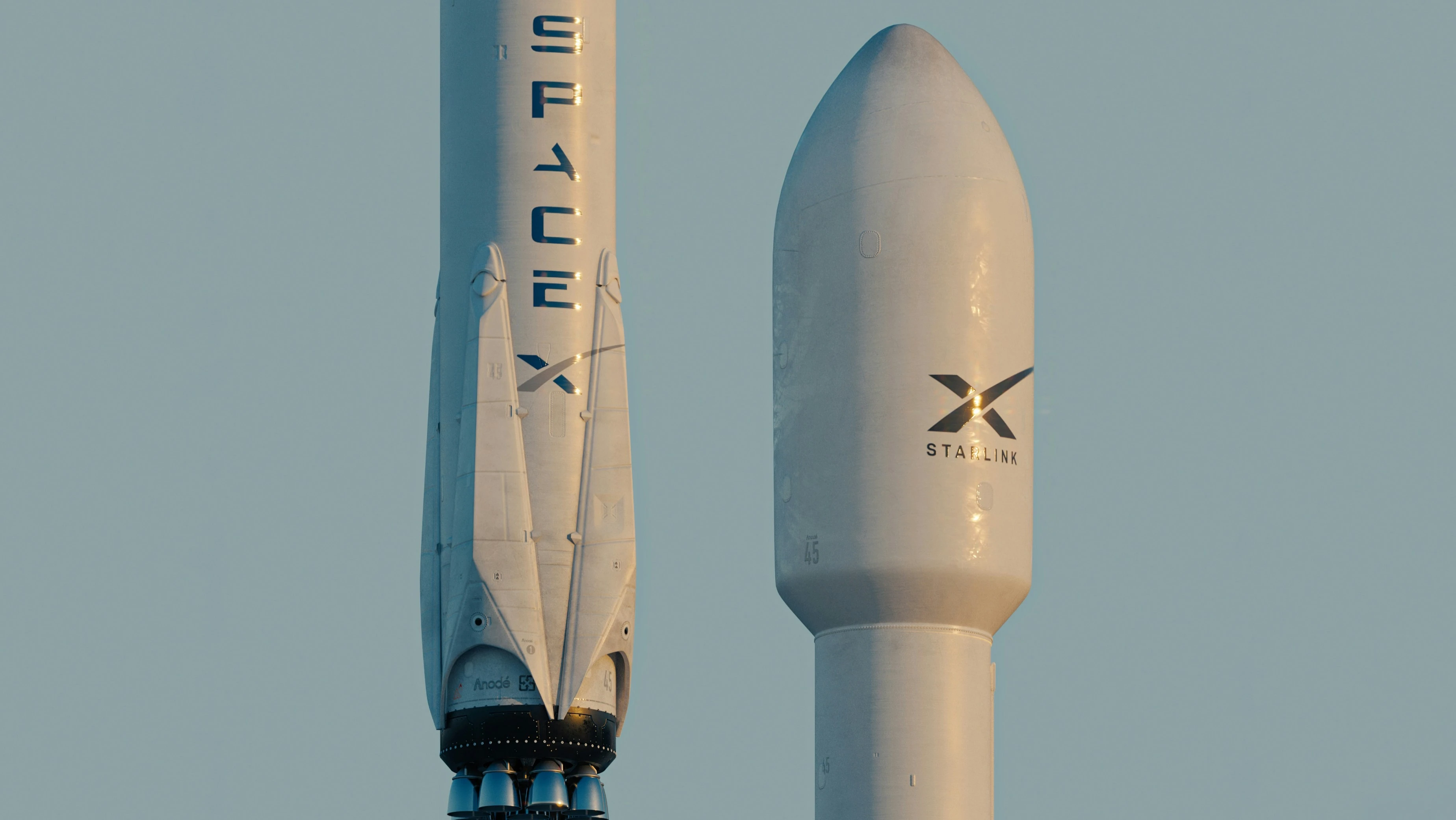
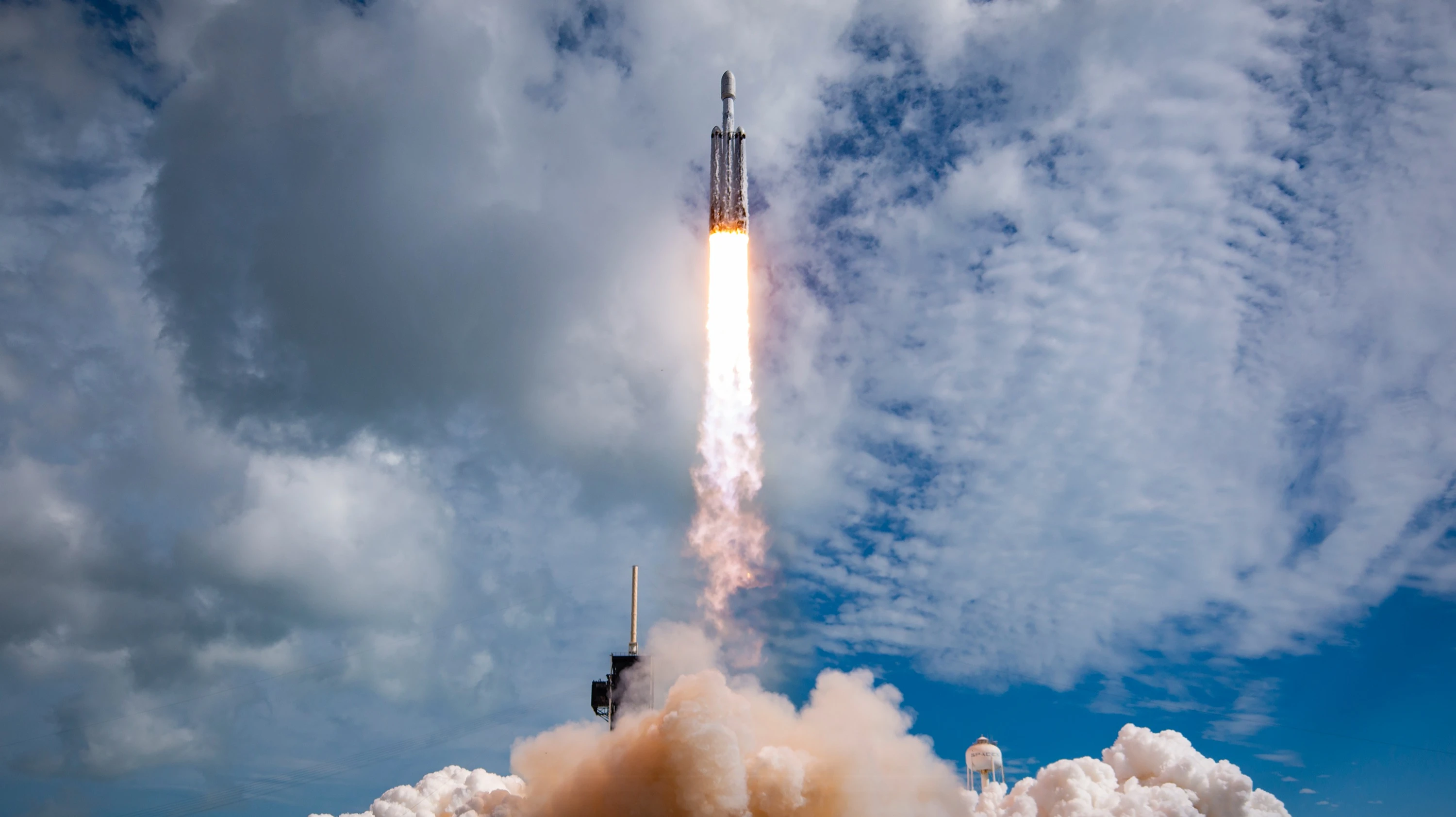
Investors are trying by all means to participate in projects related to SpaceX. Since mid-December, three mutual funds and four exchange-traded funds holding shares of this company have already received $14 billion. Photo: Anirudh / Unsplash.com
The much-anticipated IPOs of SpaceX, Anthropic and OpenAI could be dangerous. Most are hoping to participate in the AI boom, but these offerings may be a sign that the end is near.
"The euphoria bothers me."
The AI-related stock market boom has begun to resemble the tech bubble of the late 1990s, not only with enthusiastic cheers from proponents of the new technology and calls for caution from market veterans, but also with concrete numbers.
Over the past two months, the Philadelphia Semiconductor Index, which includes the world's largest U.S.-listed chipmakers, rose 69%. The current quarter may become the best in history for it, Bloomberg notes. Since the beginning of the year, the index has added 75%, and this is the best performance since 1999, writes the Financial Times.
Shares of American Micron Technology, South Korean SK Hynix and Samsung Electronics have risen several times since the beginning of the year, and all of them have a market capitalization exceeding $1 trillion. Intel shares in April broke through the maximum set at the peak of the technology bubble more than a quarter of a century ago, Arm securities have more than tripled in price since the beginning of the year, AMD - almost 2.5 times. Growth of S&P 500 index by 11% this year by 80% was provided by only 10 companies, Bloomberg notes: seven of them are semiconductor manufacturers.
"Enthusiasm is kicking into overdrive," the FT quoted JPMorgan Chase CEO Jamie Dimon as saying. - There's a lot of euphoria in the market. So far, so good."
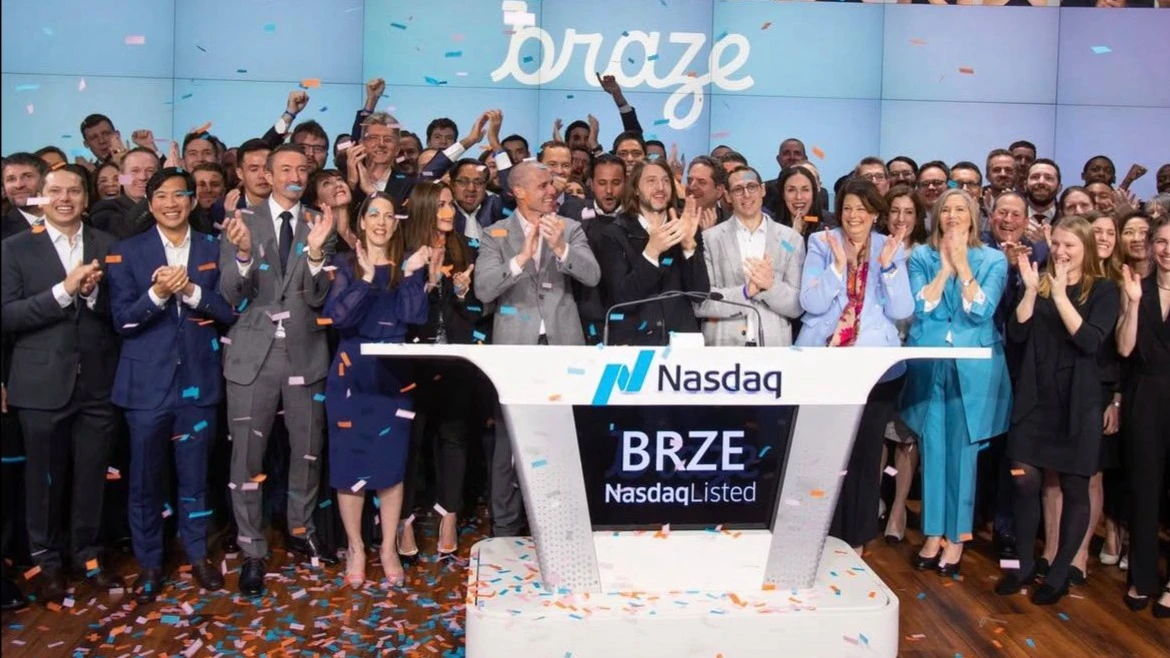
Even more euphoric among investors are the upcoming mega-IPOs of SpaceX, Anthropic and OpenAI. All of them are related to AI and are planned for this year, the closest one for SpaceX is June 12.
"The main takeaway [from the prospectus] for me is that SpaceX is now an AI company," says Chad Enderson, one of SpaceX's early investors and founder of Space Capital.
In his speech, Dimon did not call the market euphoria "irrational. But that was the phrase used to characterize the technology boom in the stock market in the second half of the 1990s by then U.S. Federal Reserve Chairman Alan Greenspan. However, Dimon added that similar periods of euphoria were seen before the market crashes of 1986, 2000, and 2007, noting, "That worries me."
Disturbing analogies: IPOs as a sign of the peak
Another concern is that the mega-IPO may take place near the peak of the market.
A vivid analogy is the entry of Glencore to the stock exchange, which became the loudest and largest in 2011 (the company was valued at $59.3 billion). Glencore was the world's largest commodity trader. The companies in this sector, which had been experiencing a super cycle of growth since the early 2000s, were on everyone's lips at the time.
Glencore's order book was closed in a matter of hours, with the company raising $10 billion. The offering took place in May - as it later turned out, at its peak: the Bloomberg Commodity Index peaked in April, then fell until the pandemic spring of 2020.
While oil was expensive until 2014, many other commodities have been falling since 2011, including gold and copper, of which Glencore became the largest miner when it took over Xstrata. By September 2015, Glencore's own shares had fallen almost 90% from their IPO price.
Another example is the technology bubble of the late 1990s. There were no mega-IPOs at that time, although gigantic deals in related fields could also be qualified ex post facto as evidence of the peak of the boom.
The most striking was the merger of America Online and Time Warner. The size of the deal, closed in January 2001, amounted to $103.5 billion, and in 2002 the combined corporation suffered a $98.7 billion loss, mainly due to the write-down of the value of depreciated assets. It became the largest in global corporate history.
The number of technology IPOs has exceeded a hundred since 1992, and has continued for nine consecutive years. 174 technology companies went public in 1997, and 370 in 1999 (86% of which were unprofitable). The Nasdaq Composite and S&P 500 indexes peaked in March 2000, after which the bubble deflated until late 2002. There were only 24 technology IPOs in 2001 and 20 in 2002.
Companies like SpaceX go public "once in a career", Renos Savvides, director of equity markets at Neuberger Berman, told the FT. But such a flurry of IPO activity in the hottest sector, given also the upcoming Anthropic and OpenAI offerings, could be a sign that the stock market's meteoric rise in recent years, driven by AI development, is coming to an end, Savvides warned.
He said "it's a little bit like 2021," which preceded the stock market crash. That year, the number of tech IPOs passed a hundred again. In 2022, the Nasdaq Composite fell 33%.
The scale of AI company IPOs is threatening to break records this time around. SpaceX, Anthropic and OpenAI going public is likely to result in trillion-dollar companies, says Jon Treacy, publisher of investment newsletter Fuller Treacy Money: "It will greatly intensify the bullish trend and start sucking money out of the world."
"There will be a realization that AI is with us forever, that it will now become an integral part of the global economy," and people, especially those who for whatever reason did not participate in the stock boom, will carry their money "in a panic" of missing out on that growth, Tricey reasoned, "They will believe that the price will go up not just 100%, but 1000% and we're in for a phenomenal and perpetual bull market."
Market "vacuum cleaner"
While SpaceX remains a loss-making company with fantastic projects and little to no rights for shareholders, investors are mesmerized by Elon Musk's accomplishments and are looking for loopholes to participate in his future successes and AI boom.
"The only thing they think of Elon is that his investors never lose money," a top manager at one hedge fund told the FT.
The market is already "sucking up" money in tools and projects related to the IPOs of SpaceX and other AI giants.
They're pouring in. Investors tell me every day, "I want to invest in the funds that own these private companies". We've never seen that before.
According to Morningstar, since mid-December, when Musk first confirmed rumors of an IPO, $14 billion has flowed into three mutual funds and four exchange-traded funds that hold SpaceX stock. There are also applications for 14 exchange-traded funds offering investors ways to tie into the company's stock, such as through derivatives.
Christopher Barrett, director of global equity markets at Carmignac, considers it "speculative hype" for investors to try to gain access to SpaceX stock by any means possible "without looking at the price."
The more of this speculative behavior and the more [people] fall for the 'what to think, you can't lose' kind of offers, the more difficult it will be for long-term investors. Ma, things may be fine for a while, but we all know how such stories usually end.

Inflate and puncture the bubble
To get SpaceX on its listing, the Nasdaq exchange has relaxed the rules: the company's shares will be included in the Nasdaq-100 index just 15 days after the offering, with a weighting of three times the value of the outstanding stock. S&P Dow Jones Indices is also consulting on its accelerated inclusion in the S&P 500 index, the FT writes.
SpaceX will put little stock on the market - 4.2%, based on an issue size of $75 billion with a capitalization of $1.8 trillion (although it plans to increase that percentage after 180 days). With such a percentage of shares outstanding, the company would not have been included in the index before.
Given that passive index-tracking funds would have to sell other stocks to buy SpaceX securities, as well as the small number of those securities and such a short time frame, the situation will be "hectic" and "challenging," said Christian Rauthe, director of trading strategies at Citi.
With post-IPO prices already expected to rise, passive funds will have to buy the stock at an inflated price, pushing it up further, Todd Sohn, chief exchange-traded fund strategist at Strategas, explained to the FT.
"A cynical but, it seems to me, apparently correct approach to assessing how the SpaceX IPO will go is to consider how much money will flood in," writes John Stepek, author of the Money Distilled column at Bloomberg. - How many fans does Elon Musk have? How many fans do people think he has [who will also buy stocks]? How much money will come from index funds and when?"
In this case, "the passive tail will wag the active dog to an incredible degree," i.e., market pricing, Stepek says: "This is not what a rational investment should be, no matter how much I endorse SpaceX's goal of exploring other planets and doing exciting sci-fi projects."
If the massive "rush" of investors to the stock market after the IPOs of SpaceX, Anthropic and OpenAI generates its final takeoff in the AI-mania, comparing the situation to the bubble of the late 1990s, Treacy does not rule out that the Nasdaq-100 index could double from the current 30,000 points in about 6-9 months. After which it will lose the "manic" part of its growth. And that could be a 70-80% drop from a future peak.
Here we can recall another recent bubble - bitcoin's surge in 2017, when it rose in value from $1,000 to almost $20,000 between April and December. The bubble burst after exchange-traded bitcoin futures were launched in December that year. This gave professional investors a tool to play down the cryptocurrency "inflated" by private investors, and over the next year bitcoin fell in price to $3200.
The emergence of AI companies on the public market, which are now investor favorites, will also give those who consider their shares overvalued the opportunity to "short" them.
This article was AI-translated and verified by a human editor