The dollar is near its one-month low: concerns about oil prices have temporarily subsided

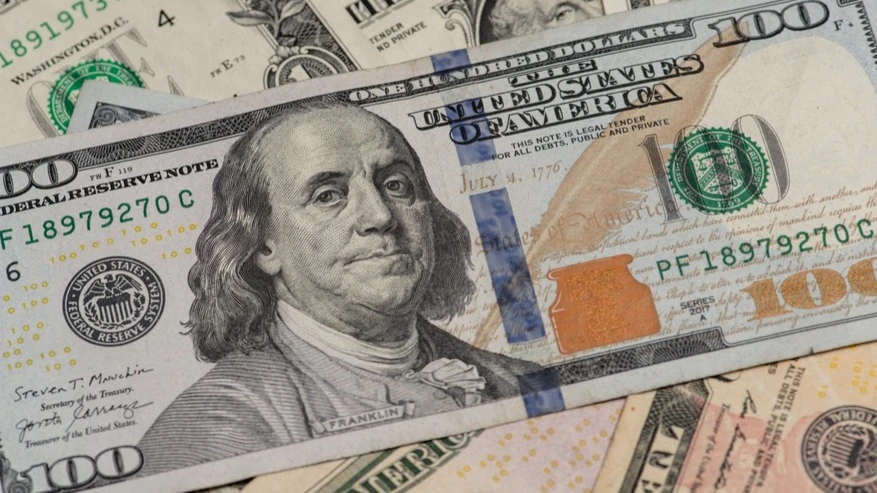
Photo: Faces Portrait / Shutterstock
On Thursday, July 16, the dollar hovered near its one-month low. Investors are assessing moderate U.S. inflation data, which has eased concerns about an imminent Fed rate hike, Reuters reports. At the same time, the market remains at risk of another spike in oil prices, which could provide support for the U.S. currency, the agency warns.
Details
The dollar index, which tracks the dollar's value against a basket of six major currencies, remained virtually unchanged on Thursday, hovering near its lowest level since June 18. Over the previous two sessions, it fell 0.8% and is ending the week in negative territory.
The weakening of the U.S. dollar was driven by a decline in U.S. Treasury yields on Wednesday. This came after macroeconomic data for two consecutive days pointed to a slowdown in inflationary pressures, which undermined the case for an imminent tightening of the Fed’s monetary policy.
As a result, the probability of a rate hike following the regulator’s upcoming July meeting has fallen to 12.3%, according to the CME’s FedWatch tool, which tracks trader expectations. However, investors still expect a rate hike at the September meeting: the probability of a rate increase stands at approximately 56%.
Oil prices remain an additional influencing factor amid a new escalation of the conflict between the U.S. and Iran. On Thursday, futures for the benchmark Brent crude were volatile, fluctuating between gains of about 1% and losses. However, they have already risen by 11% over the past week.
What's Happening in the Persian Gulf
On Thursday night, the U.S. military intensified its strikes against Iran, attacking an oil tanker near the country’s main export terminal. This indicates an expansion of the operation’s scope, Bloomberg notes. In response, Tehran opened fire on U.S. bases in Kuwait and Jordan.
Shipping traffic through the strategically important Strait of Hormuz continues to decline. Meanwhile, according to Reuters, Iran has asked the Houthis in Yemen to block oil supply routes through the Red Sea if the U.S. launches strikes against the Islamic Republic’s energy infrastructure, as Donald Trump has threatened to do.
Some analysts believe that the latest escalation is merely an attempt by Washington to gain leverage in the negotiations in order to turn a temporary deal into a lasting peace, Reuters reports. If the U.S. strengthens its position in the negotiations, the tensions could quickly subside, the agency believes.
This article was AI-translated and verified by a human editor