"The political nightmare in the US is not over": the dollar is approaching its worst week since June
Political risks have a greater impact on the U.S. currency than monetary policy - the dollar is falling despite rising yields on U.S. government bonds and expectations that the Fed will keep rates at the current level

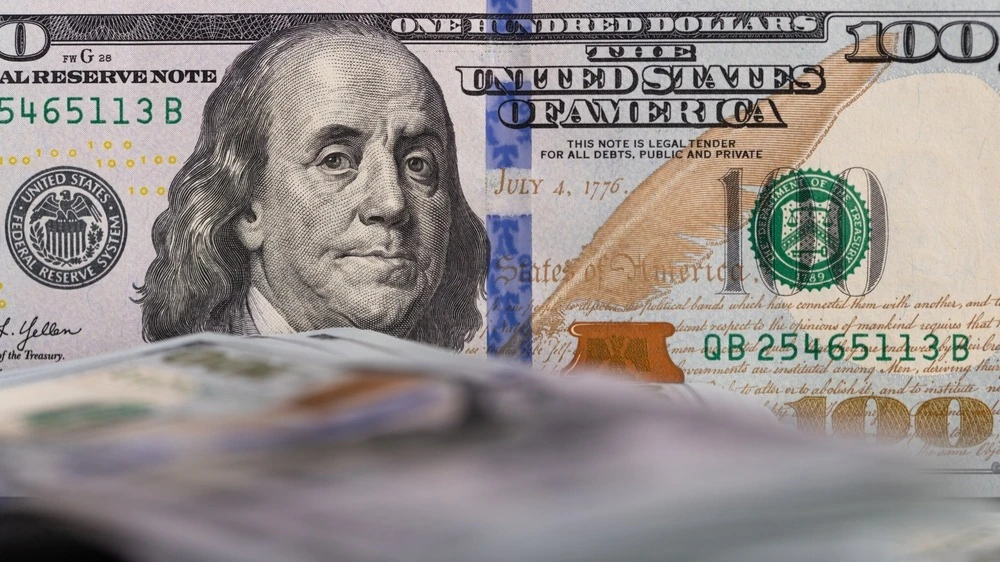
The dollar is preparing to end what may be its worst week since June 2025 / Photo: Ruslan Lytvyn / Shutterstock
The dollar can expect the worst week since June 2025, Bloomberg reports. Amid growing political uncertainty in the U.S. and ahead of the Fed meeting next week, the Bloomberg Dollar Spot Index (reflects the dynamics of the U.S. dollar against a basket of major world currencies) on Friday, January 23, fell to a three-week low and over the past five days declined by 0.8%.
Market participants are increasingly laying down the risks of further weakening of the US currency, shifting the focus from monetary policy to political factors.
Details
Traders in the options market began laying increased risks of further weakening of the dollar for the next month, which was a sharp reversal from a week earlier, when "bullish" sentiment on the U.S. currency reached the maximum since November, notes Bloomberg.
The increased volatility in the markets this week was due to the foreign policy statements of US President Donald Trump. He first threatened to impose duties on goods from eight European countries because of their position on Greenland, but later dropped these measures and announced the formation of a "framework for a future deal on Greenland" after talks with NATO Secretary General Mark Rutte in Davos.
What the market is saying
The fact that the dollar is declining even amid rising U.S. Treasury yields and on expectations that the resilience of the U.S. economy will allow the Fed to keep interest rates unchanged at its next meeting - indicates that political risks have a greater impact on the U.S. dollar than monetary policy factors, Bloomberg points out.
"The distribution of dollar yields in 2026 is now, in all likelihood, significantly skewed to the downside," said Spectra Markets president and former currency trader Brent Donnelly. "The world is realizing that the political nightmare in the U.S. is not over," he added.
"Optimism about the state of the US labor market does not yet pose a threat to our moderately bearish view on the dollar," Pat Lock, currency strategist at JPMorgan, also reported. He added that in the coming weeks, "risks related to political developments in the US will also shift the balance towards a weaker US currency."
Financial markets expect two 25-basis-point interest rate cuts in 2026 and are pricing in virtually no probability of a rate change at next week's meeting, Bloomberg notes.
This article was AI-translated and verified by a human editor