Muse and other AI agents could trigger a bank run — Apollo
AI assistants can redirect household funds from low-yield deposits


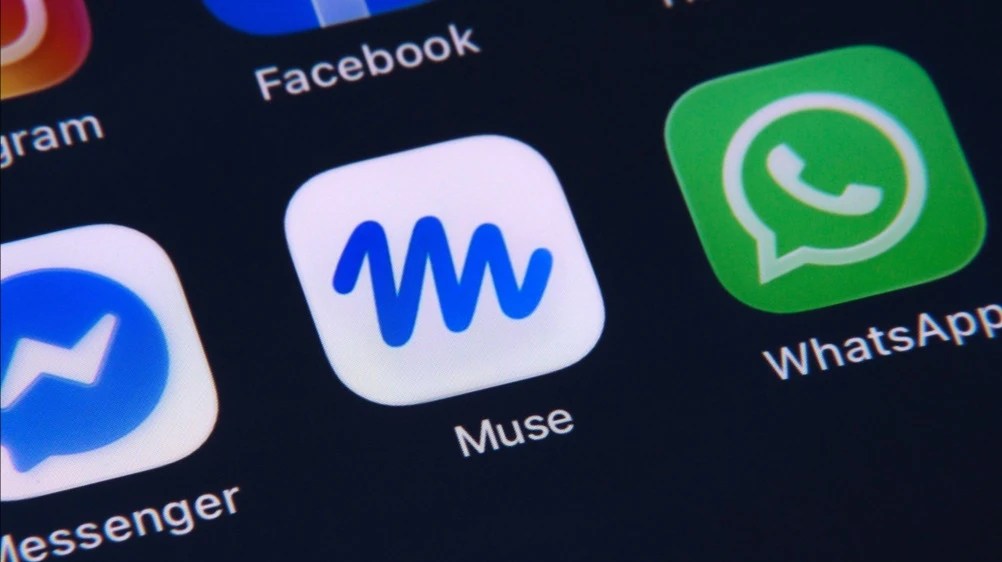
Muse and similar AI agents will be able to effectively manage bank customers' capital / Photo: Samuel Boivin / Shutterstock.com
Agent-based AI systems such as Meta’s Muse or Instinct—developed by Spear Street Technology, a small private startup—have the potential to trigger a run on banks. Torsten Slock, chief economist at the private equity giant Apollo Global Management, warned of the threat that AI poses to the traditional financial system, according to CNBC. According to him, as soon as AI assistants learn to manage household finances, banks will lose the excess capital held in individuals’ checking accounts: the agents will find places to invest the money at favorable interest rates.
Details
Muse and other similar services will soon be able to transfer households’ idle funds from checking accounts—where interest rates average 0.1%— to accounts offering yields ranging from 3.3% to 5%,” wrote Torsten Slok, chief economist at Apollo Global Management, in a note titled “Is an AI-Driven Bank Run on the Horizon?” He noted that many fintech companies offer significantly higher rates on savings accounts than traditional banks do on checking accounts: for example, deposits at SoFi Technologies yield 4.5% per year.
“If every household starts using AI agents to maximize returns on their excess cash, banks could lose a significant portion of the low-cost deposits they rely on to make loans. This would pose a problem for the entire financial system,” CNBC quotes Slock as saying.
However, there are no signs that such an outflow has already begun or will occur in the near future, CNBC notes.
How serious is the threat?
According to the U.S. Federal Deposit Insurance Corporation, the average net interest margin for banks is 3.32%. In other words, their financial buffer is indeed quite small, according to MarketWatch. Transaction accounts—that is, the very ones Slock is referring to—account for $8.3 trillion of the approximately $26 trillion in total liabilities and equity of U.S. banks. On average, they pay only about 1% in interest. At the same time, accounts that do not earn interest at all make up about 20% of the deposit base, the publication notes. Banks pay a more competitive 3.6% on certificates of deposit.
According to MarketWatch estimates, raising interest rates on deposits totaling $10 trillion could increase banks’ expenses by $200–300 billion per year. By way of comparison, U.S. banks collectively earned $296 billion last year. Thus, competition from AI could eat up nearly all of their current profits, the publication notes. Banks could offset these costs, for example, by raising loan rates, reducing riskier lending, and consolidating, according to MarketWatch.
The publication notes that the financial sector had already faced something similar following the COVID-19 pandemic, when interest rates rose sharply. There were some casualties, such as Silicon Valley Bank, but overall, the industry weathered the shock and restructured its business models. The savings and loan crisis of the 1980s was a far more painful upheaval, MarketWatch writes.
What's Happening in the Banking Sector
Meta’s new artificial intelligence agent— a “personal assistant” available in the Muse app—has reignited market concerns that AI will disrupt the traditional financial services industry, according to The Wall Street Journal. This triggered a sell-off on Tuesday, September 22, of financial sector stocks in the U.S., including those of major banks. The market reaction was reminiscent of a similar sell-off in August, when fintech company Altruist introduced a tool for creating personalized tax strategies, the WSJ notes. However, analysts note that Meta, which has already entered into partnership agreements with, for example, PayPal and the fintech firm Plaid, has far greater potential to transform many fundamental aspects of consumer payments and financial planning. Meta Platforms’ multibillion-user base also creates an advantage for Muse, the newspaper points out.
Alongside Muse, another agent-based AI called Instinct is gaining popularity—it was developed by the startup Spear Street Technology, founded by 23-year-old Noah Shinn, a former Sierra employee and co-author of research on training AI agents, according to CNBC.
All of this prompted BofA analysts to issue a warning about the threat to the banking industry—and now Apollo has joined them.
The Invesco KBW Bank sector ETF fell 2.3% last week, marking its third consecutive week of losses. This is the fund’s longest losing streak since mid-March, according to CNBC. Since the start of the month, it has lost 5.7% and is on track for its worst monthly performance since March 2025, when it plummeted nearly 10%. Goldman Sachs and Bank of America have been the worst performers in the fund’s portfolio this month: shares of both banks have fallen by more than 8%. Morgan Stanley shares have lost nearly as much in September. Other segments of the financial sector have also come under pressure. Shares of brokers Charles Schwab and Interactive Brokers have fallen 9.8% and 8.3%, respectively, since the start of the month.
The collapse of the banking sector is linked not so much to AI as to the Fed’s tightening of monetary policy, explains CNBC. U.S. Treasury yields have recently risen to multi-year highs as traders bet that high oil prices will force the central bank to raise rates further. Higher interest rates could slow the growth of bank lending and hurt banks’ profits.
This article was AI-translated and verified by a human editor