JPMorgan Scaled Back Its Optimistic Outlook on U.S. Stocks Following the Fed Chair's Speech

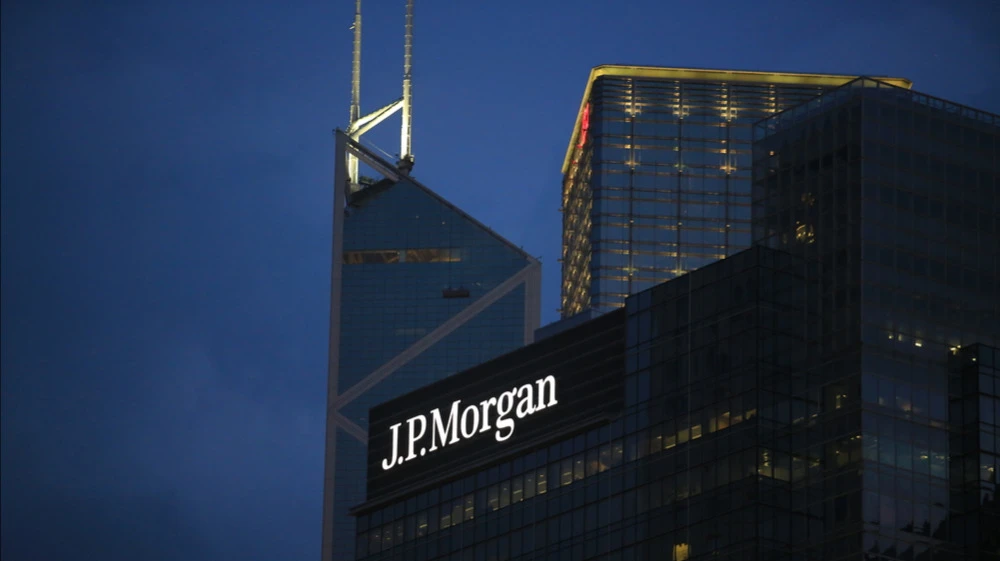
JPMorgan traders have adopted a "tactically cautious" outlook ahead of the Fed meeting on September 16 / Photo: Lewis Tse / Shutterstock.com
The trading division of JPMorgan Chase & Co. has abandoned its optimistic, “bullish” outlook on U.S. stocks for the next few weeks. Their decision was influenced by recent “hawkish” comments from Federal Reserve Chairman Kevin Warsh, which led markets to raise their expectations for interest rate hikes this year, according to Bloomberg.
Details
The bank's traders have adopted a "tactically cautious" stance ahead of the Fed's September 16 meeting, according to a note by Andrew Tyler, head of U.S. market analysis at JPMorgan, as cited by Bloomberg.
“We are shifting to a tactically cautious/neutral outlook. In other words, the fundamentals for the stock market remain strong, but in the near term, a number of variables will likely cause the market to trade sideways,”Tyler wrote in a note to clients on Monday.
Uncertainty surrounding the future path of interest rates has become the main factor putting pressure on the U.S. securities market, the analyst notes. In early June, Tyler promptly adopted a tactically cautious stance ahead of a multi-week sell-off in U.S. stocks, Bloomberg notes. The analyst also cited seasonal market weakness and investors taking profits on sharply rising AI company stocks as short-term factors putting pressure on the market. At the same time, he says, investors’ net positioning in stocks overall remains neutral.
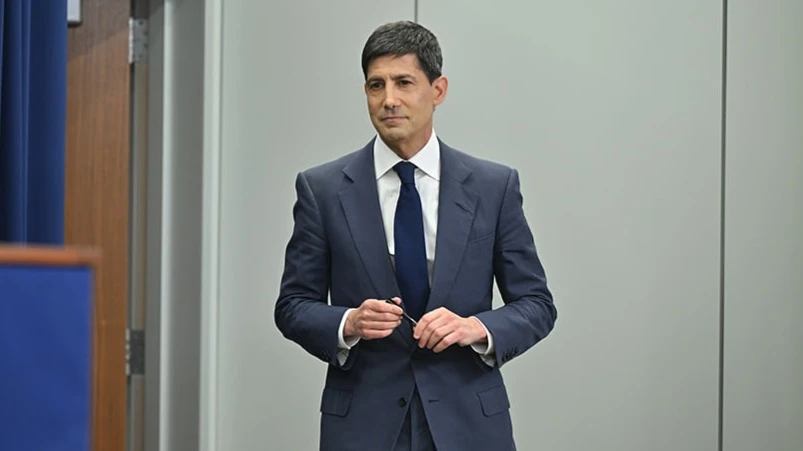
"Bull markets typically end with either a cycle of rate hikes or a recession," Tyler noted. “Right now, it’s extremely unlikely that a recession will begin in the next few quarters.” However, Warsh’s comments make the Fed’s September 16 meeting one where the rate decision truly remains open, he added.
On Friday, the Fed chair stated that inflation is not showing any significant slowdown. According to Tyler, if the Fed does raise borrowing costs, it will be difficult for traders to assess just how extensive and prolonged the new cycle of rate hikes might be. Warsh provides the market with fewer clues about future monetary policy than his predecessors, Bloomberg notes.
Context
With the arrival of September—which has historically been the weakest month for U.S. stocks— Wall Street is facing a number of risks at once—from questions about how sustainable the AI rally will prove to be to a possible rise in interest rates amid persistently high inflation, according to Bloomberg.
Against this backdrop, major U.S. market indices fell on Monday: the S&P 500 lost 0.33%, the Dow Jones Industrial Average fell 0.7%, and the tech-heavy Nasdaq Composite declined 0.12%. On the last day of summer, interest-rate-sensitive utility stocks led the decline, while gains in the energy sector partially offset losses in other sectors, according to Bloomberg.
This article was AI-translated and verified by a human editor