The SEC has authorized the trading of tokenized stocks in the U.S. What does this mean?

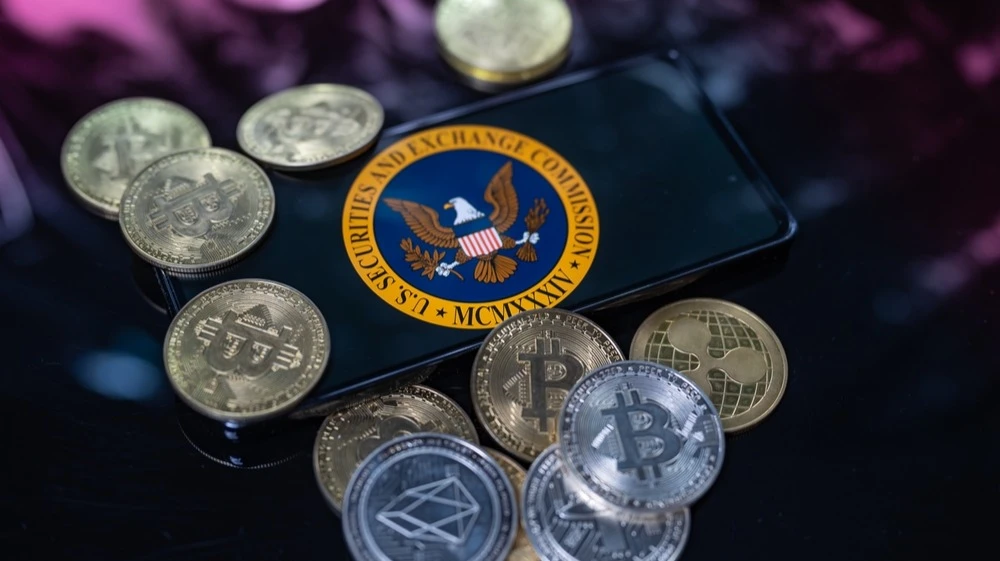
The U.S. Securities and Exchange Commission has authorized trading in tokenized shares / Photo: Shutterstock.com / JRdes
The U.S. Securities and Exchange Commission (SEC) has authorized certain trading platforms to begin trading tokenized versions of U.S. stocks. The decision marks a new step by the regulator toward developing the digital asset market after a bill to regulate cryptoassets failed to pass a key vote in the Senate.
Details
Effective September 17, the U.S. regulator granted certain trading platforms a five-year exemption from a number of requirements that apply to stock exchanges. This exemption applies to tokenized securities venues (TSVs) and allows for the issuance of tokens representing shares of publicly traded companies.
The exemption applies to both shares tokenized by the public companies themselves and tokens issued by third parties not directly affiliated with the issuer. However, it does not apply to synthetic tokens, which are essentially instruments such as stock swaps. Such tokens, known as “wrappers,” track the value of shares but do not grant ownership rights to holders, and have become popular outside the U.S., Bloomberg notes.
The number of tokens available for trading on each platform will be limited. Holders of tokenized shares must receive standard shareholder rights, including dividends and voting rights. Third-party platforms must also notify companies of plans to tokenize their shares, and issuers have the right to object.
“Congress has been unable to advance the Clarity Act [a bill to regulate the crypto market], despite the tireless efforts of many stakeholders. Therefore, today the Securities and Exchange Commission is taking an important step within its statutory authority to bring U.S. capital markets into the digital age by creating the conditions for trading certain tokenized stocks on the blockchain,” said SEC Chairman Paul Atkins.
According to him, the regulator does not intend to establish current technologies as the standard for the future. “The Commission is not establishing today’s technologies as tomorrow’s standard. Instead, it is allowing the market to evolve, monitoring that evolution, and using the data gathered to create a more flexible and future-oriented regulatory framework. <...> It is important that this temporary measure be followed by the full-scale development of rules that ensure blockchain-based markets remain a viable sector as our capital markets continue to evolve,” stated the head of the regulator.
Context
The regulator's decision came two days after the Clarity Act failed to gain the necessary support in the Senate. The bill was intended to establish rules for the classification and regulation of digital assets, including tokenized securities. Without the passage of the law, the next U.S. administration could simply revoke the exemption granted by the SEC: representatives of the crypto industry have expressed such concerns, Bloomberg notes.
Tokenization involves issuing a digital representation of securities or other assets on a blockchain. Proponents of the technology believe that trading in tokenized shares could shift to a 24/7 schedule, and settlement of transactions could become virtually instantaneous, Bloomberg notes. This could also allow investors to purchase fractions of more expensive stocks and use tokenized securities in automated trading via smart contracts.
Coinbase, Robinhood, Gemini, and Kraken have already launched tokenized stock offerings outside the U.S., but such products are not yet available to U.S. customers, CNBC notes.
At the same time, industry representatives also point out potential risks. The Association of Securities and Financial Markets Industry Representatives has warned that the spread of tokenized shares could lead to market fragmentation, Bloomberg reports.
This article was AI-translated and verified by a human editor