The yield on 30-year British government bonds exceeded 6% for the first time since 1998
Bond yields are also rising in the U.S., France, and other countries

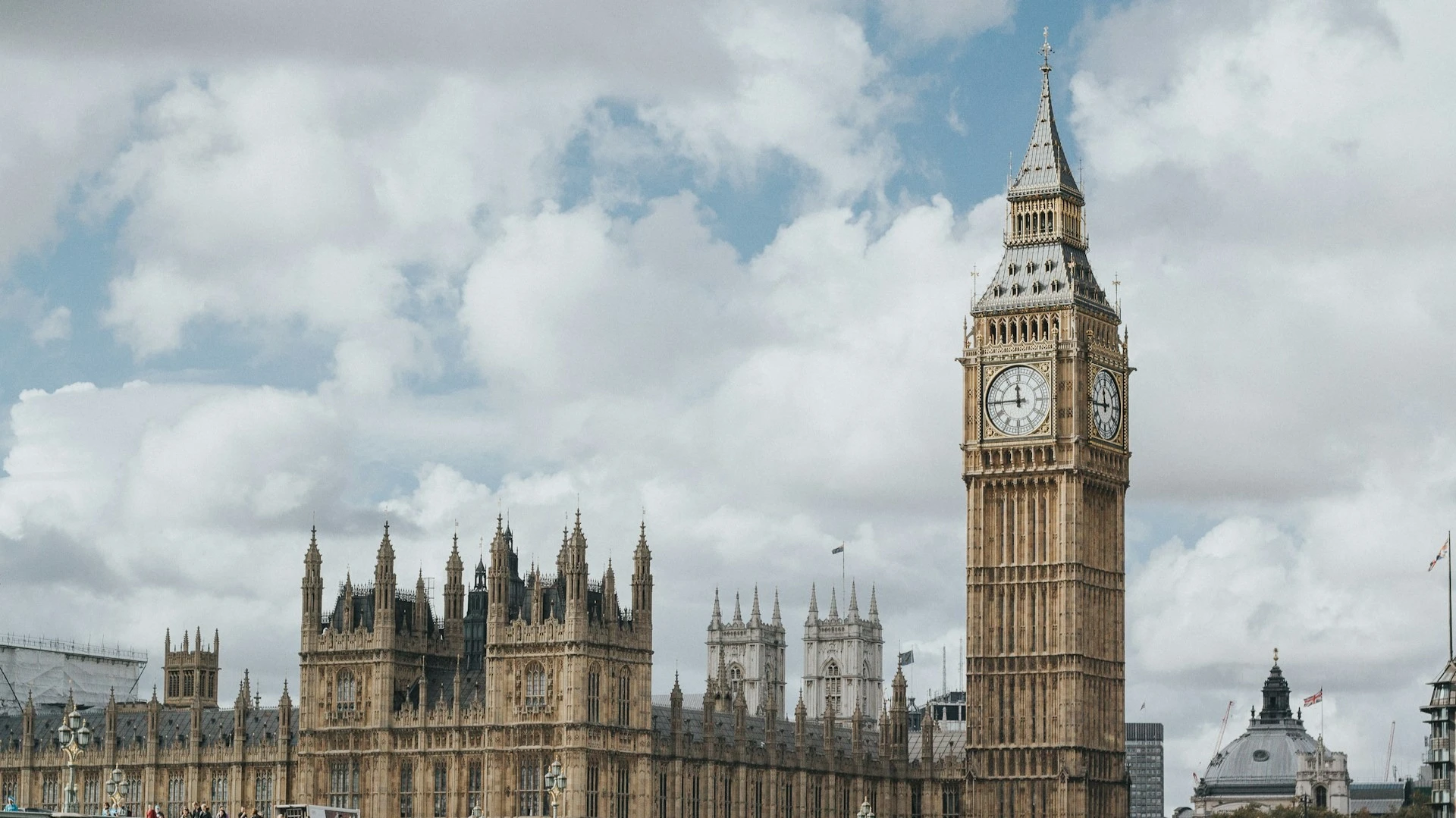
Yields on British bonds hit multi-decade highs / Photo: Unsplash/Marcin Nowak
Yields on 30-year British government bonds rose to 6%—a level not seen since 1998, according to Bloomberg. The rise in yields on British bonds comes amid a global sell-off of government bonds: similar trends are being observed in the U.S., France, and other countries.
Details
The yield on benchmark 10-year British bonds rose by six basis points on Thursday to 5.49%—the highest level since 2007, according to the Financial Times. Similarly, borrowing costs for France rose: the yield on its 10-year bonds increased by nine basis points to 4.95%, according to Bloomberg. In Japan, the yield on 10-year bonds reached 3.1%—close to the three-decade high hit in September, the FT writes. In the U.S., on September 30, the yield on 10-year Treasury bonds hit its highest level since May 2002. The yield on 30-year Treasuries also reached a three-decade high.
Against this backdrop, stocks in the United Kingdom fell sharply: the FTSE 100 index dropped by more than 2% during Thursday’s trading session. The pan-European Stoxx 600 index lost about 1.6%, the French CAC 40 fell 1.7%, and the German DAX dropped 1.4%. In the U.S., S&P 500 futures hovered near the zero mark, while Nasdaq 100 futures rose about 0.4% and Dow Jones futures fell 0.5%.
What Analysts Are Saying
"This week, the markets have been dominated by sustained selling of long-term bonds," noted Standard Chartered Chief Strategist Erik Robertsson, as quoted by the FT. "Long-term bonds are suffering from the fact that they lack an anchor (stable benchmarks— Oninvest),” Robertsson said.
At the same time, some analysts believe that bond yields are starting to become attractive to investors, according to the FT. “Yield levels are starting to offer decent compensation for any further rate hikes,” says Richard Jetsenga, head of research at ANZ (as quoted by the FT).
Context
Yields on British government bonds have been rising for virtually the entire year of 2026. In March, 10-year bond yields exceeded 5% for the first time since the 2008 crisis amid escalating tensions between the U.S. and Iran and rising energy prices. By mid-May, yields on 30-year and 20-year government bonds had reached their highest levels since 1998—when a sell-off was driven by a domestic political crisis in Britain and a global inflationary backdrop.
In August, the global portfolio of investment-grade government bonds reached an average yield of 4.5 percent—a record high since 2015—amid structural growth in government spending and an outflow of traditional buyers such as pension funds.
For global government bonds, the third quarter, which ended on September 30, was the worst since 2024. The Bloomberg Global Government Bond Index has fallen by more than 2% since June.
This article was AI-translated and verified by a human editor