Three small-cap copper miners massively outperforming a sector ETF this year

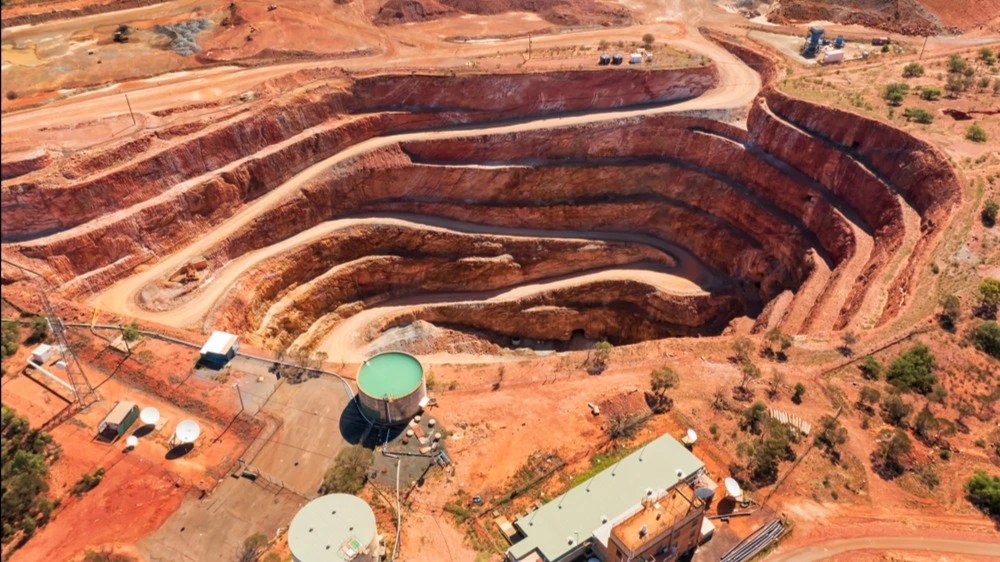
UBS expects a surplus of refined copper in the market in 2026 to give way to a deficit in 2027 / Photo: Shutterstock.com
Copper was trading near record highs at the end of September, with COMEX futures at $6.53 per pound on Tuesday. Copper has gained 14.9% year to date and around 36.7% over the last 12 months. Against this backdrop, shares of companies that are still exploring deposits or building mines have risen particularly sharply: when metal prices increase, markets assign a higher value to future production, even if the first sales may be years away. Below, Oninvest analyst Aldiyar Anuarbekov looks at three small-cap companies from the Sprott Junior Copper Miners ETF whose shares have outpaced the fund's performance so far this year.
Drivers of copper prices
Supply is the main factor driving prices higher. In a note seen by Oninvest, UBS estimates that global mine production grew around 5% between 2023 and 2026 and was virtually flat in 2025 and 2026. In Chile, the world’s largest copper producer, state copper commission Cochilco expects the country’s output to fall 2.6% this year to 5.27 million tons, primarily because of a weak first half at Codelco and BHP’s Escondida and Spence mines.
Demand for copper is being supported by power grids, industry, and data center construction. UBS calculates that copper consumption by data centers rose from 141,000 tons in 2020 to 922,000 tons in 2025 and could reach 1.23 million tons by 2027. UBS forecasts that the refined copper market will shift from a surplus of 231,000 tons in 2026 to a deficit of 329,000 tons in 2027. Cochilco, by contrast, expects a surplus of 179,000 tons to remain in 2027.
Another variable is U.S. tariffs. The Commerce Department was required by the White House to submit an updated assessment of the market by June 30. Based on that assessment, Trump is supposed to decide whether to impose tariffs on refined copper imports: 15% starting in January 2027 and 30% starting in January 2028. No decision has been announced, however. The prospect of tariffs has encouraged shipments of the metal to the U.S. and reduced its availability in other markets. UBS estimates that U.S. warehouses hold around 80% of global exchange inventories. If the tariffs are not introduced, UBS believes copper prices could temporarily fall more than 10%, although it considers that scenario unlikely.
Three stocks riding the rally
Year to date through Tuesday, shares of the Sprott Junior Copper Miners ETF (COPJ), which is invested in 69 small copper companies, had gained 13%. Oninvest selected three of its holdings whose shares have risen several times more than the fund over the same period. The companies are at different stages: Osisko and Panoro Minerals are exploring and advancing copper projects, while Blue Moon is already building a mine and simultaneously developing a tungsten business.
Higher copper prices benefit all three, but each has specific additional catalysts. If the metal falls, construction is delayed, or the companies need more capital, the stocks could quickly give back some of their outsized gains. Investors should focus primarily on new resource estimates, project budgets and financing terms, and actual timelines for bringing the projects into production.
Osisko Metals (TSX: OM; up 135.5% YTD)
Osisko Metals’ main asset is Gaspé Copper in Quebec, a project at the site of a former copper mine. The company is engaged in mineral exploration and project development but does not yet produce any metal. In April, it updated its mineral resource estimate to 1.83 billion tons of ore averaging 0.27% copper. The amount of copper contained in these resources increased 119% from the previous estimate.
In September, Osisko reported results from a drill hole located about 800 meters beyond the boundary of the current resource model: a 256.5-meter interval averaged 0.85% copper, nearly three times the deposit average, including 28.5 meters grading 4.74%. The hole points to the potential for the project to expand and contain higher-grade zones, although the result has yet to be incorporated into an updated resource estimate.
The next major milestone is a preliminary economic assessment of Gaspé in December. It should show how construction costs and the low average copper grade will affect the economics of the future mine. On September 16, Canaccord Genuity maintained its “speculative buy” rating at target price of CAD3.25 per share, 81.5% above the Tuesday closing price.
According to MarketScreener, all seven analysts covering the stock rate it a “buy.” The average target price is CAD3 per share, implying upside of about 67%.
Panoro Minerals (TSXV: PML; up 315% YTD)
Panoro Minerals owns the Cotabambas project in southern Peru and has yet to begin production. According to the company’s estimate, the project’s resources include about 1 billion metric tons of ore, of which about 222 million metric tons is a higher-grade component comprising both indicated and inferred resources. Raymond James estimates that this component accounts for 40-50% of the total value of the metals in the current resource estimate. Panoro plans to begin developing this part of the deposit first to improve the project’s economics. In addition, new drilling showed that Cotabambas’ higher-grade zone may extend deeper than previously thought, creating scope to expand the resource.
The company expanded its drilling program to 45,000 meters and is preparing an updated resource estimate and studies of the project’s economics. The main risks are the cost of the future mine, the project timeline, and relations with local communities in Peru. In June, Panoro signed an exploration access agreement with the Community of Guaclle, although it does not eliminate all the risks surrounding eventual construction.
Panoro shares have delivered the strongest year-to-date gain among our picks, rising 315%. In a note seen by Oninvest, Raymond James has maintained its target price of CAD4.25 per share, almost 160% above Tuesday’s close.
Blue Moon Metals (TSX: MOON; Nasdaq: BMM; up 50% YTD)
Blue Moon Metals is advancing several projects in Norway and the U.S. Its Nussir copper project in northern Norway is closer to production than the other two companies’ assets: a final investment decision has already been made, and the company expects to begin production in 2027.
Blue Moon has another potential growth driver: the Springer tungsten project in the U.S. Its partner, Elmet Group, which secured $450 million from the U.S. government to develop the tungsten supply chain, plans to allocate about $150 million to Springer. The package includes a $25 million purchase of Blue Moon shares and financing backed by future deliveries once the agreement’s conditions have been met.
The company does not yet generate mining revenue. For the first half, it reported a net loss attributable to shareholders of CAD56.4 million, versus CAD7.5 million a year earlier, primarily because of higher exploration and project advancement expenses. As of June 30, cash, cash equivalents, and restricted cash totaled CAD159.1 million.
On September 17, Scotiabank maintained its “outperform” rating at a target price of CAD14 per share, twice Tuesday’s closing price. On September 15, Maxim Group kept its “buy” rating at target price of $15 per share for the Nasdaq-listed shares. It flagged the company could conduct another share offering in the first half of 2027, creating a risk of dilution for existing shareholders.
According to MarketScreener, all five analysts have a "buy" rating on the stock. The average target price is CAD15.40 per share, implying upside of 120% from its current price.
This text is for informational purposes only and does not constitute personalized investment advice.