"There Are Still Plenty of Reasons": Morgan Stanley Cites Three Reasons to Bet on Gold
Lynn Alden, author of the bestseller *Broken Money*, also holds precious metals in her portfolio, but is in no hurry to buy more

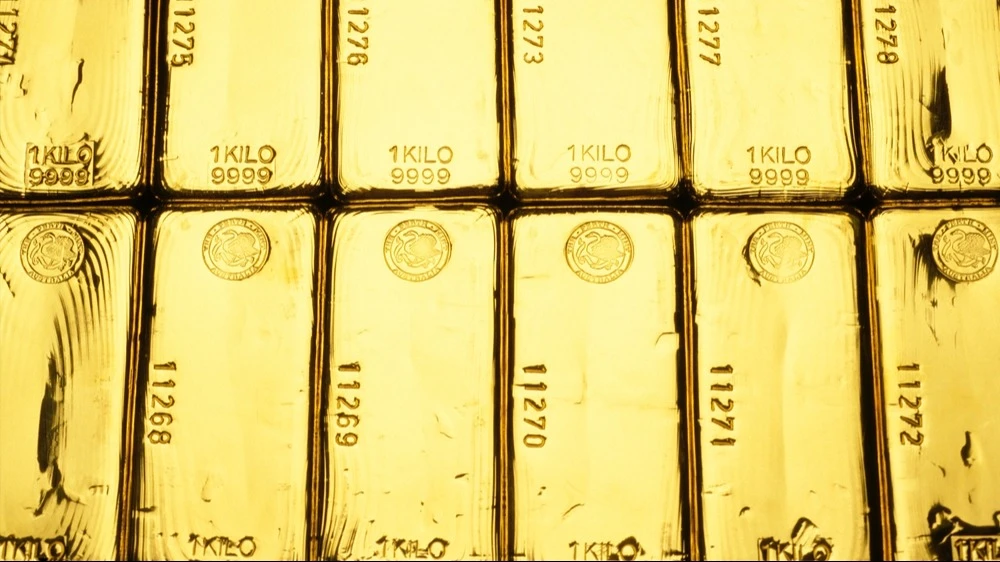
After surging to nearly $5,000 and then pulling back to around $4,000 per ounce, gold no longer looks like such a “no-brainer buy” / Photo: Nalidsa/Shutterstock.com
Morgan Stanley, one of Wall Street’s largest banks, has maintained a positive outlook on gold despite the decline in its price in September. The investment giant is counting on steady buying by central banks and believes that as bond yields decline, gold will become more attractive to investors.
Three Reasons to Go for Gold
The spot price of gold fell 8% this quarter, to around $4,200 per ounce. In September alone, the precious metal dropped in price by nearly 6%. Nevertheless, Amy Gower, an investment strategist for metals and the mining sector at Morgan Stanley, cited three key factors in an interview with CNBC that could support prices in the coming months.
The first is steady physical demand, particularly from central banks. Gauer singled out China and Poland. She estimates that China’s gold imports as a whole could reach their highest level since 2017. “It seems China has a very strong appetite for gold,” she said.
The second factor is the possibility of falling bond yields. Gauer acknowledges that the current spike in bond yields is weighing on gold, which does not generate interest income. However, intervention by U.S. authorities in the long-term bond market could change the situation: “What if intervention in the long-term bond market intensifies and yields start falling again?”
The third argument relates to oil. A rapid de-escalation of the conflict between the U.S. and Iran could lower oil prices and ease inflationary risks. This would help curb the rise in interest rates and bond yields, making gold more attractive to investors. “What will happen if oil prices fall?” asked a Morgan Stanley strategist.
Gauer is optimistic about gold's prospects over the next 12 months and considers $4,000 per ounce to be "a fairly strong support level." "There are still plenty of reasons to hold gold," she said.
Cash is more important than gold
High bond yields could either support gold or trigger a sell-off, according to Ole Hansen, Saxo Bank’s chief commodities strategist. “Rising bond yields create challenges for the financial system and government budgets, which could enhance gold’s long-term appeal. However, an acute liquidity shortage could initially trigger selling of the metal and drive down its price,” Kitco quotes him as saying.
The higher the yields on debt securities, the more interest income gold holders miss out on, Hansen explains. Governments also have to spend more on servicing their debt obligations. According to Hansen, this could boost demand for gold as a hedge against financial turmoil and sovereign debt problems. “The deep and highly liquid gold market makes it an obvious source of liquidity in such circumstances,” Hansen said.
At the same time, the amount of gold in exchange-traded funds (ETFs) is rebounding despite rising real bond yields, Hansen noted. “The key question is whether this demand can be sustained,” he said. The strategist suggests monitoring capital flows into ETFs, “especially from investors who appear to be less concerned about interest rates and more concerned about the financial consequences of persistently high borrowing costs.”
Hold, but don't buy more
Investor and author of the best-selling book *Broken Money*, Lyn Alden, keeps gold in her portfolio. “Right now, I’m in the ‘hold’ camp, and I’m definitely not selling gold—especially physical gold. I consider it a valuable part of my portfolio,” she said in an interview with Kitco.
Alden continues to view gold’s long-term prospects positively, but following a rapid rally, the risk-reward ratio has become less favorable. After surging to nearly $5,000 per troy ounce and pulling back to $4,000, the metal no longer seems as attractive to her as it did around $2,000, when she considered it severely undervalued. “It’s largely just a matter of price. Gold itself, as an asset, hasn’t gotten any worse,” Alden explained.
Before actively buying gold again, Alden wants to make sure the decline is over. “I’d like to see more confirmation that the bottom has been reached. But perhaps even more important are a few additional months of consolidation,” Alden explained. She is waiting for speculators to exit the market and for gold to shift into the hands of investors willing to hold it for the long term. According to Alden, the price will continue to fluctuate for some time without showing steady growth. She does not venture to predict how long this period will last.
The French bank Natixis expects the price of gold to fall to approximately $4,100 per ounce by the end of 2026 if the U.S. Federal Reserve raises interest rates in December, according to Kitco. However, by the end of 2027, the price of gold could rise to $4,750, according to the bank’s baseline scenario. Natixis expects the Federal Reserve to keep rates unchanged next year, and for investor demand for gold to recover.
This article was AI-translated and verified by a human editor