Burry bet on copper for AI. Why did he buy shares in the little-known company Ero?
The investor is counting on a metal shortage and an increase in the company's cash flow, as the company trades at a discount to its major competitors

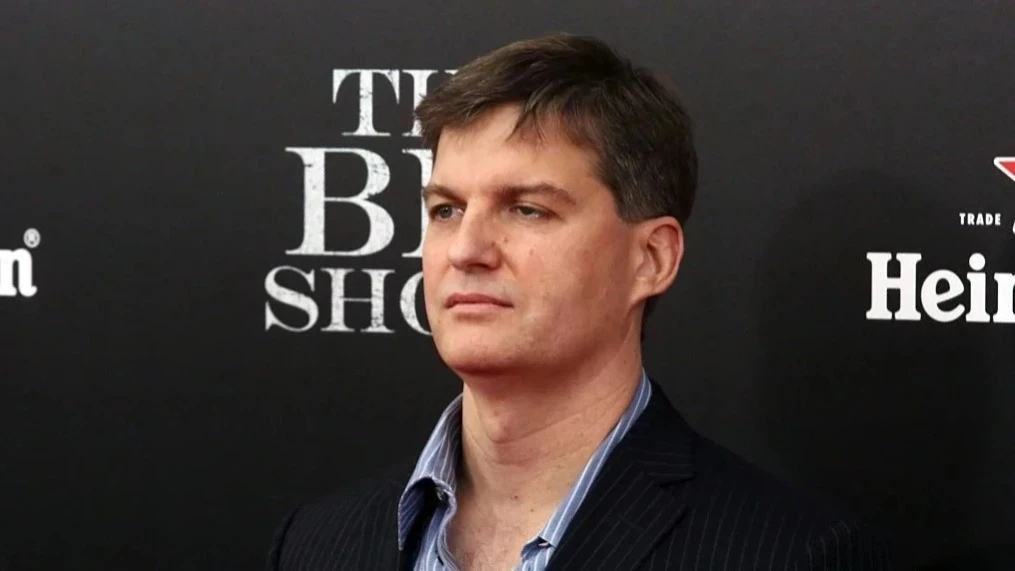
Iconic short seller Michael Burry discussed his latest purchases of stocks he believes are undervalued / Photo: Photo by Astrid Stawiarz/Getty Images
Michael Burry, the iconic short seller who served as the inspiration for the character in the movie *The Big Short*, bought shares in Ero Copper, a copper mining company operating exclusively in Brazil, anticipating that the metal shortage would worsen. The construction of data centers for AI requires increasing amounts of copper, and major deposits are being discovered less and less frequently, the investor wrote on Substack.
Copper from the backyard
In the September 21 edition of the Trading Post column, Burry opened with a metaphor about market frenzy: “The house is packed—today, partygoers are driving up AI-related stocks, but for the most part, I’m ignoring the enthusiastic cheers. I’m out in the backyard with a flashlight—searching,” he writes in a post on Substack.
Burry describes his position in Ero common stock as moderate in size. He explains the connection between the purchase and the development of data centers by continuing the metaphor: “Everyone who’s staying home will need a lot of copper.”
Burry cites Apollo’s chief economist, Torsten Slock: In the 1990s and 2000s, ten or more major deposits with reserves of at least 500,000 metric tons of copper were discovered annually; in recent years, only one or two have been found, and in 2025, not a single one was discovered. The construction of AI data centers is rapidly increasing the demand for copper, whereas it takes about 18 years from the discovery of a new deposit to the start of production. This gap, the investor notes, sets the stage for a metal shortage and rising prices.
Burry emphasizes: “This is nothing new, and the stocks of the largest copper companies have already risen sharply. Copper is also trading at record levels, mainly due to a temporary reduction in supply.” Ero’s shares have also risen in price (by 21% since the start of the year and by more than 100% over the past 12 months), but they still trade at a significant discount to their larger competitors, according to the investor. Burry expects Ero’s major investment program to boost cash flow—“especially if high copper prices persist.”
Burry attributes the trust in Ero to the actions of its leadership: “The new team that took over in early 2025 has fulfilled three rather challenging promises. I can’t begin to describe how encouraging this is in the mining industry, especially given this particular company’s track record.” According to him, an in-depth analysis of financial metrics and accounting also revealed no issues. The investor asserts that, for the first time in a long while, regulatory conditions are working in the producer’s favor.
Old Mines, New Records
Copper prices are rising for the sixth consecutive trading session: strong demand in China, the metal’s largest consumer, has once again pushed prices close to their all-time high, according to Reuters. On September 22, benchmark three-month futures on the London Metal Exchange (LME) rose 0.7%, trading at $14,750 per metric ton. According to Reuters, the most actively traded contract on the Shanghai Futures Exchange jumped 1.56% to 111,670 yuan per metric ton ($16,676), partly due to the return of speculators. The market is also being supported by expectations that Chinese buyers will replenish their stocks ahead of the holidays on September 25 and October 1–7, the agency notes.
Copper reached a record high of $14,875 per metric ton on September 10 due to a shortage of the metal outside the U.S. Prices then fell following reports that the White House had not yet decided whether to impose tariffs on copper, Reuters notes. The metal is being funneled into the United States: in anticipation of U.S. tariffs on copper imports, traders have shipped hundreds of thousands of metric tons there, Bloomberg notes.
Bloomberg attributes the rise in copper prices to a long-term gap between supply and demand: the world’s aging major mines are struggling to keep up with consumption by data centers, the renewable energy sector, and power grids. In addition, a number of major mining companies have faced operational difficulties, and if the industry does not recover in the second half of the year, global production will decline by year-end for the first time since 2017, the agency reports.
Other Purchases by Burry
Burry also bought common and preferred shares of QXO, which is expanding its business in the building materials market through acquisitions. Since 2024, the company has been led by Brad Jacobs, the founder of United Rentals and XPO. QXO’s stock has fallen sharply, and Burry saw an opportunity there. “If [QXO’s] strategy succeeds, the market will revalue the stock. For now, however, it’s being dragged down by the noise surrounding the housing market and interest rates, not to mention diesel,” he writes.
The investor opted for QXO preferred shares that are mandatorily convertible into common shares. “Mandatorily convertible securities always catch my attention because they’re usually mispriced: they don’t have specialized institutional holders,” he explains. “For example, Bloomberg currently shows a spread (between the price of the preferred shares and the value of the common shares into which they will be converted. — Oninvest note) of 27%, although in reality it’s only 4%,” claims Burry.
In addition, Burry bought more shares of the Australian online furniture retailer Temple & Webster—which already account for a fairly large portion of his portfolio—as well as a small number of shares in Sprouts Farmers Market and the veterinary pharmaceutical company Zoetis. According to him, Zoetis shares are currently “not at all in favor” with investors: “No pandemic-driven growth, no connection to AI.”
In the post's headline, Burry referred to all these transactions as purchases of undervalued securities. He did not close any short positions, nor did he sell any put options.
This article was AI-translated and verified by a human editor