A tanker was attacked near the CPC terminal for the first time in nearly three weeks — Bloomberg
The CPC Terminal is a key export route for Kazakhstani oil, accounting for about 2% of global shipments

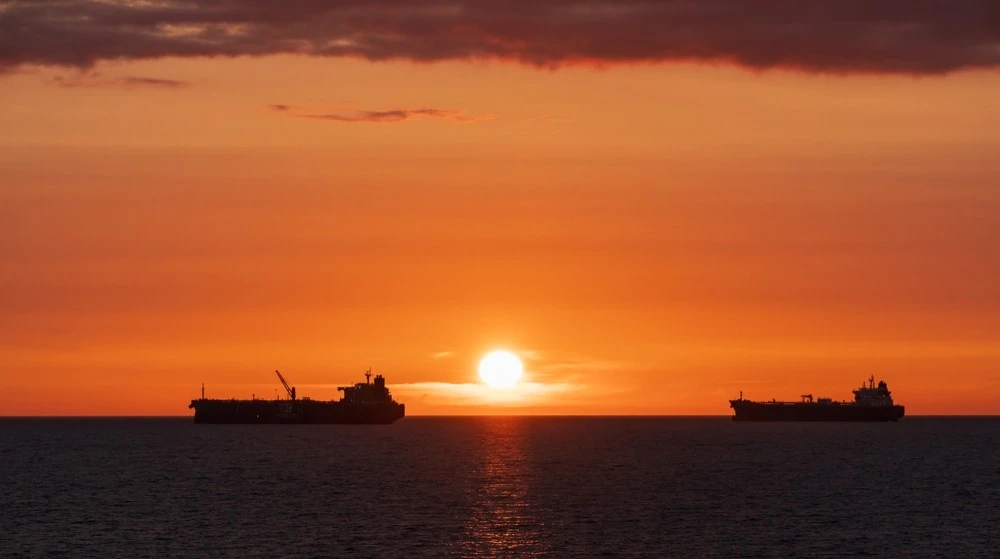
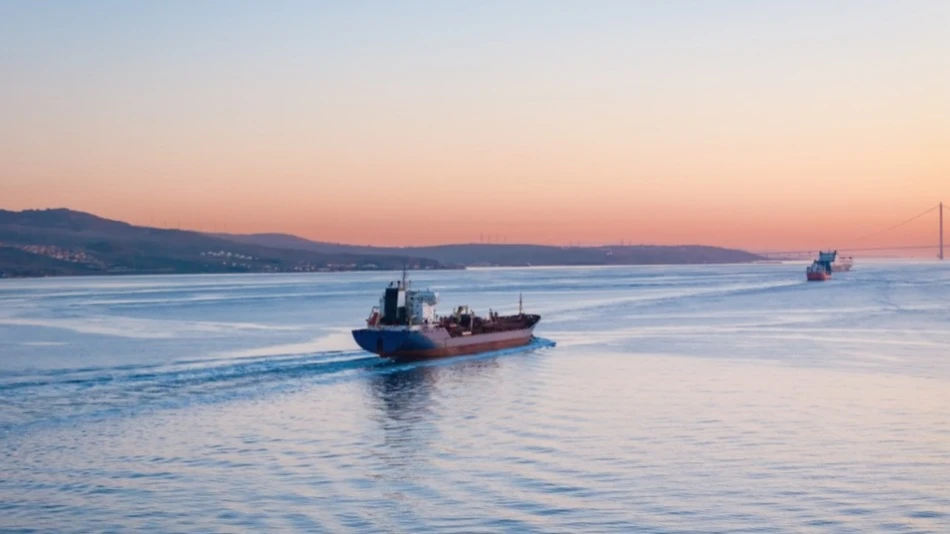
For Kazakhstan, the CPC terminal is a key route for oil exports / Photo: Shutterstock.com
A Greek tanker was attacked in the Black Sea after loading a shipment of Russian-origin oil at the Caspian Pipeline Consortium (CPC) terminal near Novorossiysk, Bloomberg reports, citing sources.
This is the first attack on a tanker near the CPC after nearly three weeks of calm, the agency notes. The incident increases the risks to the consortium's stable operations, Bloomberg reports.
Details
According to sources who spoke with Bloomberg, a vessel named Skiros, with a capacity of about 1 million barrels of oil, was attacked on August 16 near the terminal. KTK primarily ships Kazakhstani oil, but in this case, the vessel was loaded with crude oil of Russian origin, the sources told the agency.
The Athens-based company that operates the tanker (according to the Equasis database) reported that no one was injured as a result of the incident, there was no oil spill, and the ship’s owners have been notified of what happened. The company declined to comment further. The KTK declined to comment. A spokesperson for the General Staff of Ukraine stated that he did not have the information necessary to comment on this matter.
Context
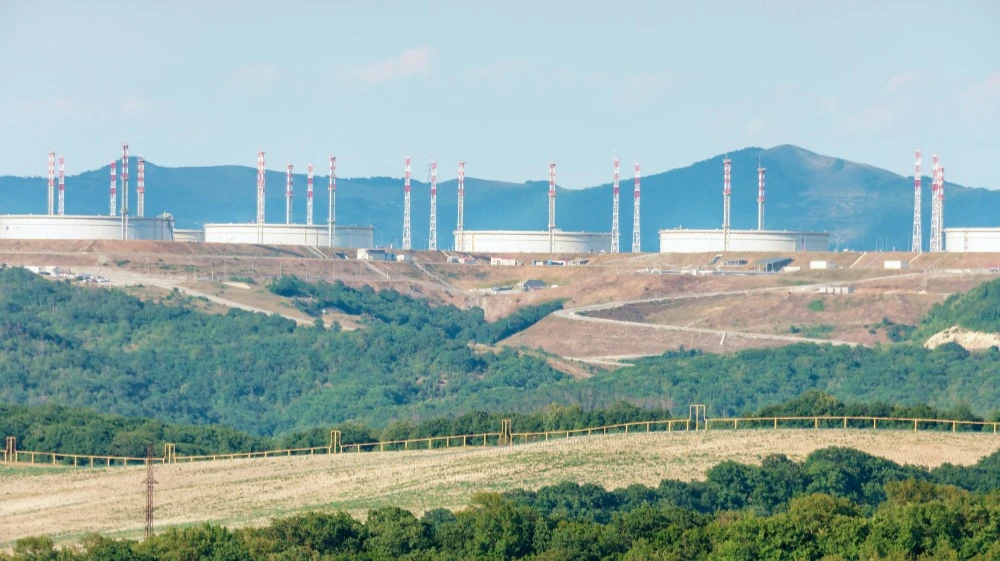
The CPC terminal is a key export route for Kazakhstani oil, accounting for about 2% of global shipments. In July, Kazakhstani oil fields were forced to cut production due to repeated drone attacks on tankers, which disrupted loading operations at the terminal.
The White House asked Ukraine to limit its attacks in the Black Sea following a meeting with Chevron executives, The Wall Street Journal reported, citing sources. The American oil giant owns a 15% stake in the CPC and a 50% stake in the Tengiz field—the most productive of Kazakhstan’s three major oil fields, from which oil flows into the CPC pipeline. Tengiz accounts for about 12% of Chevron’s total global production.
In early August, Ukraine agreed to refrain from striking CPC infrastructure and non-Russian vessels, provided they are not subject to Ukrainian sanctions and are not carrying Russian cargo, Bloomberg reported earlier, citing an unnamed U.S. official. Oil of Russian origin typically accounts for 5% to 10% of the CPC’s exports.
This article was AI-translated and verified by a human editor