TSMC improves 2026 outlook: demand for AI chips outweighs military risks
The maker of chips for Apple and Nvidia will be able to keep margins at ultra-high levels through 2027, according to Bloomberg analyst Charles Shum

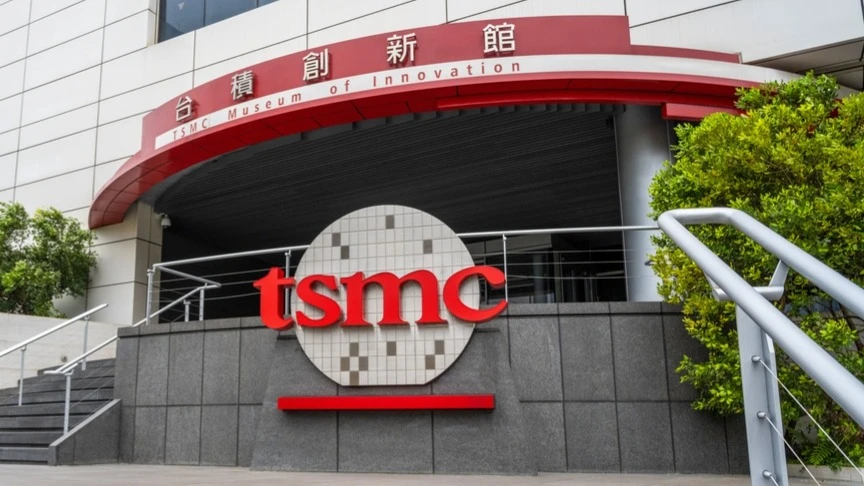
TSMC raised its full-year sales forecast despite Middle East risks / Photo: kuenlin/Shutterstock.com
Taiwan's TSMC, the world's largest custom chip maker, has improved its sales forecast for 2026, showing confidence in the stability of demand for AI chips. A strong first quarter allowed the semiconductor giant to remain optimistic despite the war in the Middle East, leading to a shock to energy markets and raw material shortages.
Details
Taiwan's most expensive company now expects revenue growth of more than 30% for the year, although previously forecasted more modest figures, Bloomberg writes. TSMC's net profit last quarter increased by 58% and reached 572.5 billion Taiwanese dollars (about $18 billion) with market expectations of 542.4 billion. Quarterly sales for the same period increased by 35% year-on-year in Taiwanese currency and almost 41% - in dollar terms, to $35.9 billion. The corporation intends to keep capital expenditures at the upper limit of the previous forecast - around $56 billion.
TSMC's American Depositary Receipts (ADRs) rose by 1.5% at the pre-market in New York, but then went into negative territory and are falling by 2.5% at the time of publication. Since January, the securities have risen in price by a quarter, but the vast majority of analysts continue to recommend them to buy (consensus rating of Buy).
What the analysts are saying
Analysts so far remain optimistic about TSMC's ability to manage geopolitical risks, The Wall Street Journal reports. "Even in extreme cases in which the supply situation in Taiwan becomes more complicated, we believe TSMC will prioritize access to energy," the WSJ quoted Bernstein analysts as saying.
TSMC forecasts a record gross margin in the second quarter, despite rising raw material prices due to instability in the Middle East, said Bloomberg analyst Charles Shum. Thanks to competent management, reliable suppliers and high profitability of the latest processors, the company will be able to keep the figure above 60% until 2027, the expert believes.
Middle East risks and equipment shortages
The unexpectedly strong jump in profits of the key partner of Apple and Nvidia indicates that the war in the Persian Gulf has not led to a decline in investment in AI - at least in its first month, states Bloomberg. However, the very management of TSMC in comments to the reports confirmed the presence of macroeconomic risks: the Iranian crisis hits logistics and energy prices, which in the long term may hit revenues. At the same time, the market is discussing the risk of disruptions in the supply of helium and other raw materials critical for the production of microchips.
Another problem for the industry is a chronic shortage of production tools. On April 15, ASML of the Netherlands, the sole supplier of equipment for printing the most advanced chips, warned that it will not be able to keep up with demand in the "foreseeable future." In addition, TSMC has ambitious competitors emerging. These are Elon Musk's Terafab project to produce chips for the needs of Tesla, SpaceX and xAI, as well as Japanese startup Rapidus, supported by the authorities, which plans to launch production of chips using the latest process technology in 2027.
This article was AI-translated and verified by a human editor