GoPro flags going-concern risk as memory costs surge; stock plunges

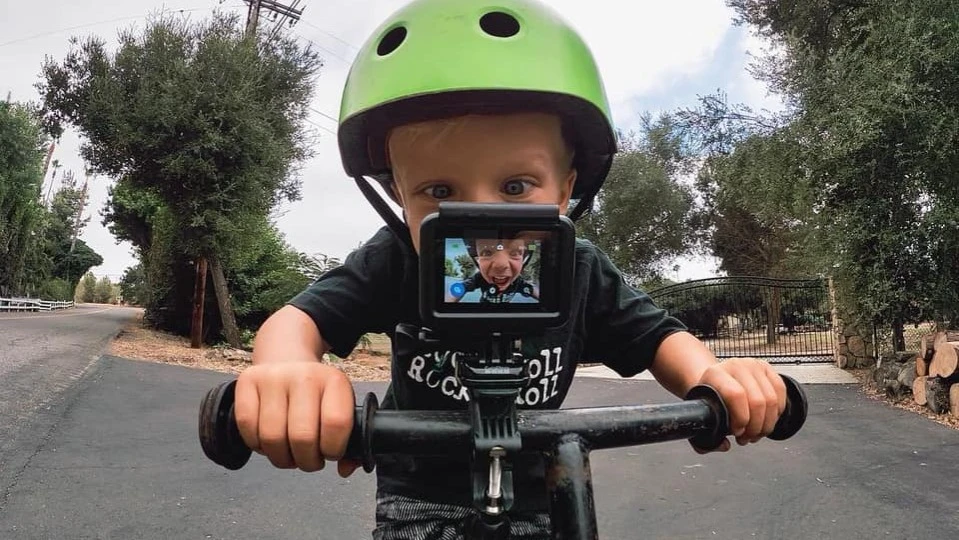
The company is exploring strategic alternatives, including a potential sale or merger, and has hired advisors to evaluate its options / Photo: Facebook / HERO.Polska
Shares of action-camera maker GoPro, whose market capitalization on the Nasdaq is just $188 million, plunged 12% after the company warned that a sharp increase in memory prices driven by the AI boom has pushed it to the brink of default.
Details
GoPro shares fell 12% on Nasdaq on Monday to $1.10 per share. In premarket trading on Tuesday, the stock was down more than 5%.
The company disclosed on Monday that there is "substantial doubt about the company's ability to continue as a going concern." The warning was included in an amendment to its annual report. GoPro originally filed the report on March 12. However, since then, significant developments have occurred that were not known or reasonably knowable at the time, the company stated in explaining the new disclosure.
Latest developments
In the last week of March, GoPro unexpectedly received notice from suppliers that memory prices would rise 80-115%. In April, suppliers informed the company of planned reductions in the production of memory used in its cameras. According to GoPro, this lowered its 2026 sales forecast and also affected purchases of other materials worth $24.5 million because the company's contracts with suppliers do not allow cancellations or refunds.
The AI boom has driven a sharp increase in demand for memory and pushed prices higher, Bloomberg reported. The trend has affected makers of cars, phones, and other electronic devices as suppliers shift production away from consumer products and toward higher-margin AI server chips, according to Bloomberg.
GoPro stated that it expects continued operating losses and negative operating cash flow, which will further reduce liquidity and increase its reliance on external sources of capital.
In the first quarter, GoPro's revenue fell 26% year over year to $99 million, while the net loss jumped 72% to $81 million. Adjusted EBITDA was negative $50 million, versus negative $21 million in the same period of 2025.
Because of its weak financial performance, the company expects it will be unable to comply with the terms of its credit agreements. Specifically, the action-camera maker has a $50 million second-lien credit facility from Farallon Capital Management, a revolving credit facility for which Wells Fargo Bank serves as agent, and an agreement with Yorkville Advisors Global related to the issuance of up to $50 million of GoPro convertible debentures.
According to company filings, the refiling of its financial statements with the inclusion of an explanatory paragraph regarding its ability to continue as a going concern could itself constitute an event of default. In addition, each of these agreements contains cross-default provisions under which a default under one facility could trigger defaults under the others. GoPro stated that it is engaged in active discussions with its lenders in an effort to avoid that outcome.
In May, the company announced that it had begun evaluating strategic alternatives, including a potential sale or merger. Two days later, it stated it had retained investment bank Houlihan Lokey, which has strong ties to the defense and consumer sectors, to assist with the process.
Stock performance
GoPro shares are down 22% year to date. The stock has just one Wall Street analyst rating, a "hold." The average target price of $1.30 per share implies upside of 18%.