Gold has regained its status as the largest reserve asset of central banks - ECB

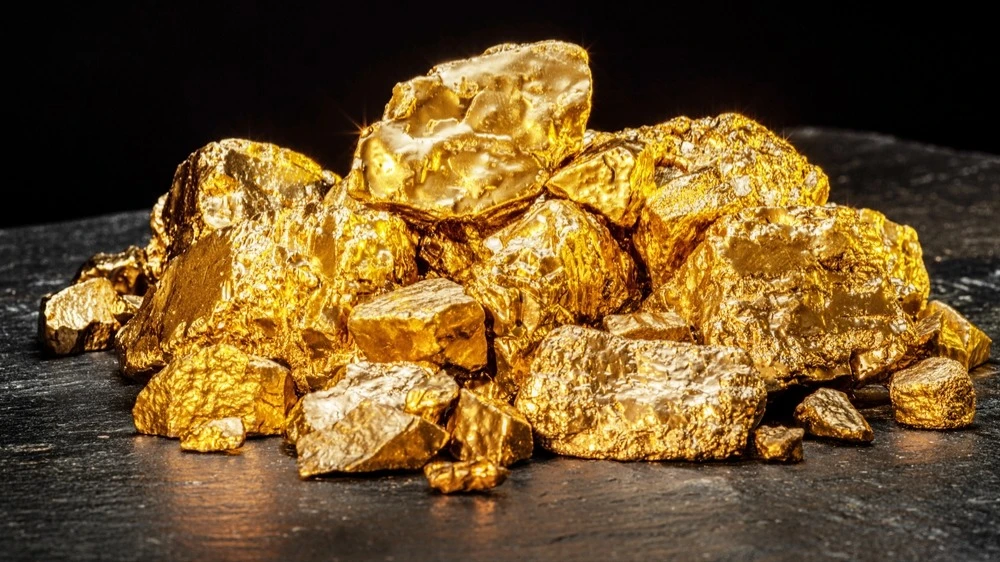
Gold displaces the dollar: the metal has become the world's main reserve asset / Photo: Valentyn Volkov / Shutterstock.com
Gold has overtaken US government bonds to become the world's top reserve asset, says the Financial Times. This happened after several years of continuous purchases by central banks and a historic rally, during which the price of gold has almost doubled over the past two years. In January, it reached a peak, exceeding $5500 per troy ounce.
In trading on June 2, gold added 0.3% in value, trading at about $4504 per ounce. It is up 4% since the start of 2025.
At the end of 2025, gold accounted for 27% of all global central bank reserve assets, up from 20% a year earlier, according to an ECB report. The share of US Treasuries, which traditionally formed the basis of dollar reserves, fell from 25% to 22% over the same period.
At the same time, assets denominated in dollars still account for the largest share - 42%. The share of reserve assets denominated in euros remained unchanged - 15%.
With more than 36,000 tons of gold, global financial regulators have accumulated almost as much precious metal as they did during the heyday of the Bretton Woods system in 1950-1960, when the U.S. currency was pegged to bullion and the exchange rates of other currencies remained fixed, according to the ECB.
"Geopolitical tensions continue to drive strong central bank demand for gold," ECB Chair Christine Lagarde wrote in the report.
The changing composition of reserve assets reflects the desire of many countries to find an alternative to the dollar, the world's de facto main reserve currency, the FT notes. These efforts have intensified since 2022, when Washington froze Russia's dollar reserves over its invasion of Ukraine.
This article was AI-translated and verified by a human editor