Space stocks sell off after Blue Origin rocket explosion and SpaceX valuation cut

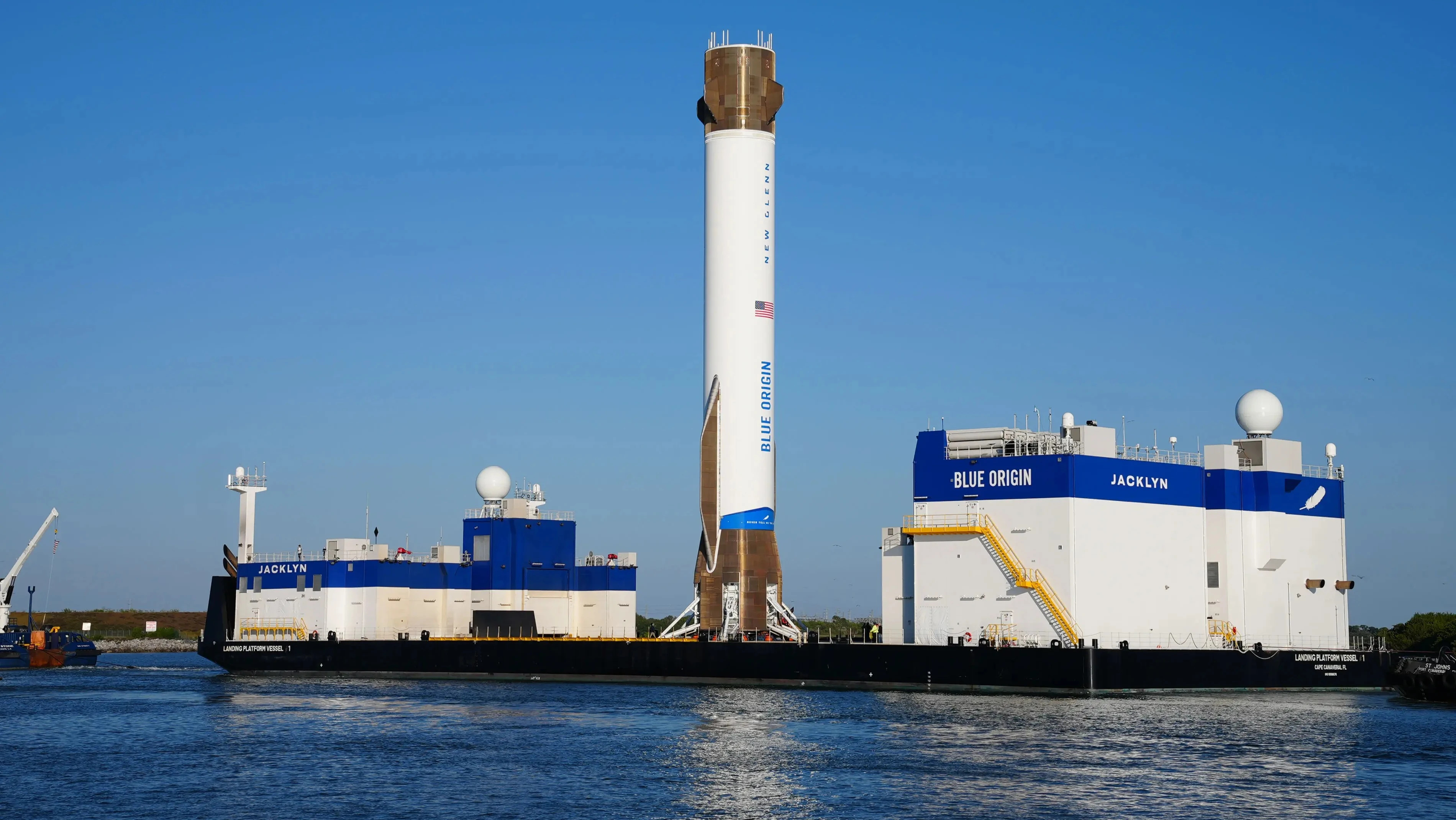
Shares of space companies fell sharply after Blue Origin's New Glenn rocket failed on launch / Photo: Blue Origin
Shares of space companies plunged in trading on Friday after a rocket belonging to Jeff Bezos’s Blue Origin exploded during a test, while Elon Musk’s SpaceX, according to Bloomberg sources, reduced its IPO valuation target from the more than $2 trillion previously discussed to at least $1.8 trillion.
The hardest hit was satellite operator AST SpaceMobile, which uses Blue Origin rockets to deploy its spacecraft into orbit. The company’s shares plunged more than 20% at their intraday low – their worst one-day decline in more than two years, writes MarketWatch. The stock later pared some of its losses and ended the session down about 16%.
Shares of spacecraft manufacturers Redwire and Intuitive Machines plunged 16% and 15%, respectively, in early trading. Another developer, Firefly Aerospace, was down as much as 11% at its intraday low. The market capitalization of Rocket Lab, which specializes in launching payloads into orbit, fell about 6%, while Planet Labs, which focuses on Earth-imaging satellites, dropped around 13% before recovering most of those losses.
All of these companies have rallied sharply in recent weeks ahead of SpaceX’s IPO and especially after the company officially filed on May 20. CNBC described the surge as an “IPO premium” benefiting both partners and competitors of Elon Musk’s company. Friday’s selloff erased part of the sector’s gains, but Rocket Lab shares are still up about 80% since the start of the month, while AST SpaceMobile stock has gained 56% over the same period.
What analysts say
“Traders and investors have been singularly focused upon the potential rewards of the sector. Being reminded of risk is an untimely splash of cold water on a very hot, if not overheated, sector,” Bloomberg quoted Steve Sosnick, chief strategist at Interactive Brokers, as saying.
“When a setback like this happens, which could extend the timeline on future launches, and thus extend the timeline on future profitability, many momentum investors will sell first and then ask questions later,” said Eric Diton, president and managing director at The Wealth Alliance. He noted that shares of space companies carry very high valuations based on expectations of future earnings, making them particularly vulnerable to sharp swings.
“The potential for a lengthy delay before the next flight threatens to put AST SpaceMobile behind schedule,” warned Bloomberg Intelligence analyst John Butler. He believes flights will likely be suspended while investigators determine the cause of the incident. Following the explosion, Deutsche Bank analyst Bryan Kraft downgraded AST SpaceMobile to “hold” from “buy.” In his view, the company will not be able to meet its 2026 satellite deployment targets. Satellite communications consultant Tim Farrar said AST’s commercial service launch could now be pushed back to 2028.
Blue Origin rocket failure
The New Glenn rocket exploded on Blue Origin’s launch pad at Cape Canaveral. The vehicle is expected to be used by both AST SpaceMobile and Bezos-founded Amazon to deploy satellites into orbit. Less than 48 hours before the accident, Blue Origin said it planned to launch 48 Amazon satellites during New Glenn’s fourth mission. The incident heightened concerns surrounding both projects, which are intended to compete with SpaceX’s Starlink satellite network.
Notably, the explosion came just a week after the first test flight of SpaceX’s third-generation Starship megarocket. That mission also ended with the destruction of the vehicle during a splashdown in the Indian Ocean. U.S. regulators have required an investigation before Starship can fly again, MarketWatch noted.