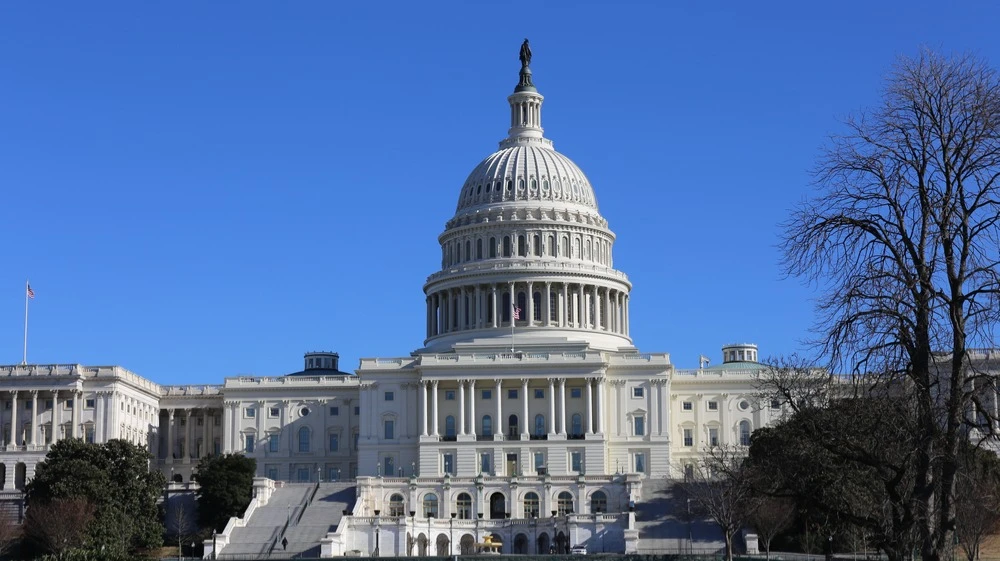
U.S. stock futures rebounded from their post-election plunge and moved into positive territory. What helped the market?
Shares of Musk's companies and some other AI stocks, however, fell in price

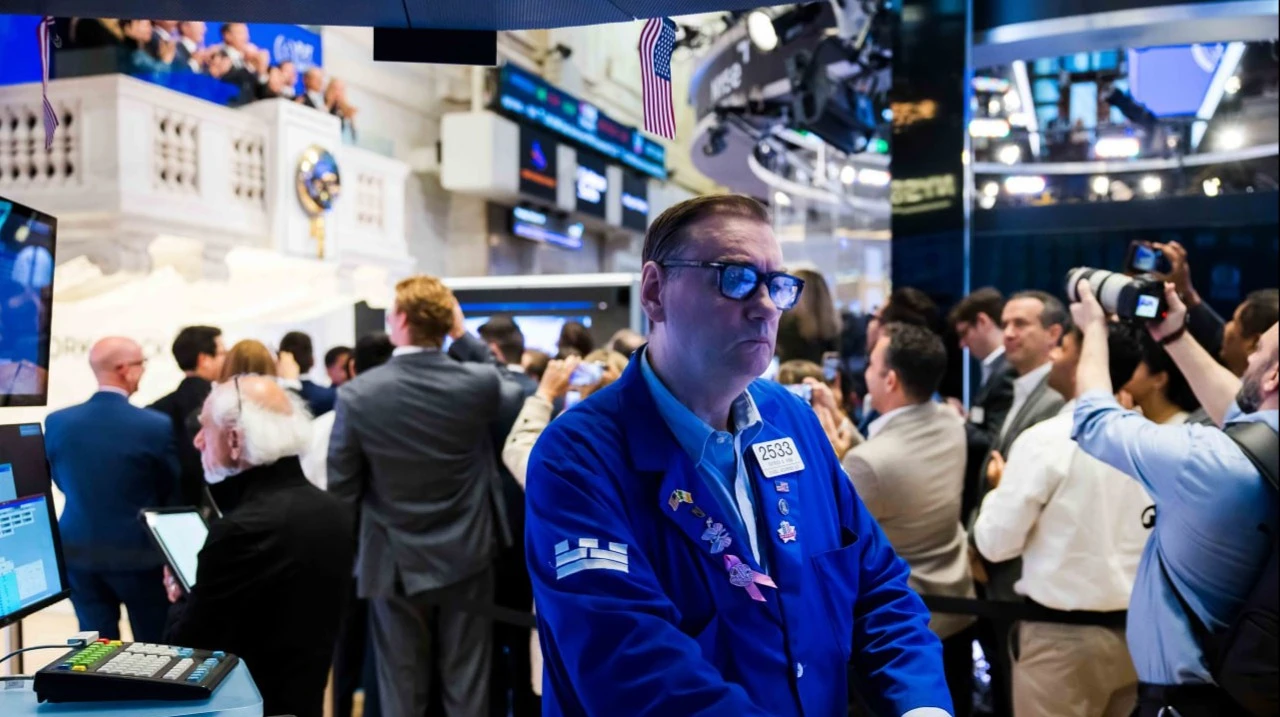
The Democrats' victory in the November 3 U.S. election did not come as a big surprise to Wall Street / Photo: X/Nyse
As of 3:40 p.m. Astana time, S&P 500 index futures rose 1% in New York, while Nasdaq 100 futures rose 0.9%. Overnight, following the first results of the midterm congressional elections, they had fallen by as much as 1.4% and 2.4%, respectively, according to Bloomberg. The Democrats gained control of both chambers and will be able to rein in Donald Trump during the final two years of his presidency, CNN reports.
However, some AI-related stocks fell in premarket trading. Shares of CoreWeave, which builds data centers with borrowed money, fell 0.8%, while those of enterprise software developer Oracle dropped 1%. Shares of CoreWeave’s competitor, Nebius, fell 0.6% at the start of premarket trading but rose 2.4% by 4:00 p.m. Astana time. Shares of the space company SpaceX and the electric vehicle manufacturer Tesla lost 4.7% and 4.1%, respectively. Their shares had already fallen during after-hours trading on November 3: investors are assessing how the election results will affect the companies of Elon Musk, who funded the Republicans, according to Bloomberg.

Even before the vote, investors feared that if the Democrats won the congressional elections, regulators would impose stricter controls on the construction of AI data centers. Bloomberg notes that this was partly why the Nasdaq 100 index entered a correction. The elections have shifted the balance of power not only in Congress: governors have been replaced in key states, and it is now unclear how quickly new data centers will be able to be built there, the agency adds.
Florian Ielpo, Head of Macro Analysis at Lombard Odier Investment Managers, offers a mixed assessment of the election’s impact on AI stocks and other equities, according to Bloomberg. According to him, the election came at a “difficult time”: investors were already reassessing the valuations of AI companies and their capital expenditures. However, for the market as a whole, the consequences may not be “all that negative.” A Democratic majority in Congress will reduce the likelihood that the White House will again sharply increase budget spending. At the same time, Treasury yields will decline, which could ultimately provide some support for stocks, Yelpo believes. Following the election, these bonds rose in price: the yield on 10-year Treasuries fell to 4.93%.
Investors were expecting a Democratic victory
Bloomberg attributes the rebound in futures to the fact that the stock market had largely priced in the election results in advance. The agency quotes Jason Borbor-Shin, a portfolio manager at the asset management firm Ninety One: “Judging by voter polls and prediction sites, the markets largely expected the Democrats to win both chambers. The market reaction, quite understandably, was muted: the initial flight from risk—led overnight in the futures market by technology stocks—largely fizzled out.”
Investors have long been concerned about rising interest rates in the U.S. and the war in the Middle East, and ahead of the election, fears about its outcome were added to the mix, according to Bloomberg. Many traders now expect that after the election, the S&P 500 will be able to break out of the narrow range in which it has been trading since July.
Demand for AI chips remains strong
Bloomberg believes that a report from AMD, one of Nvidia’s main competitors in the production of AI chips, could also support the market. After the market closed on November 3, the company issued a revenue forecast above analysts’ consensus, indicating that demand for data center processors remains strong, the agency notes. In premarket trading, AMD shares rose 6.1%, while the iShares Semiconductor ETF (SOXX), which invests in chipmakers, gained 2%.
This article was AI-translated and verified by a human editor