The Democrats' election victory has spooked investors. What does this mean for stocks and the dollar?
U.S. Treasury bonds could benefit from the standoff between Congress and Trump


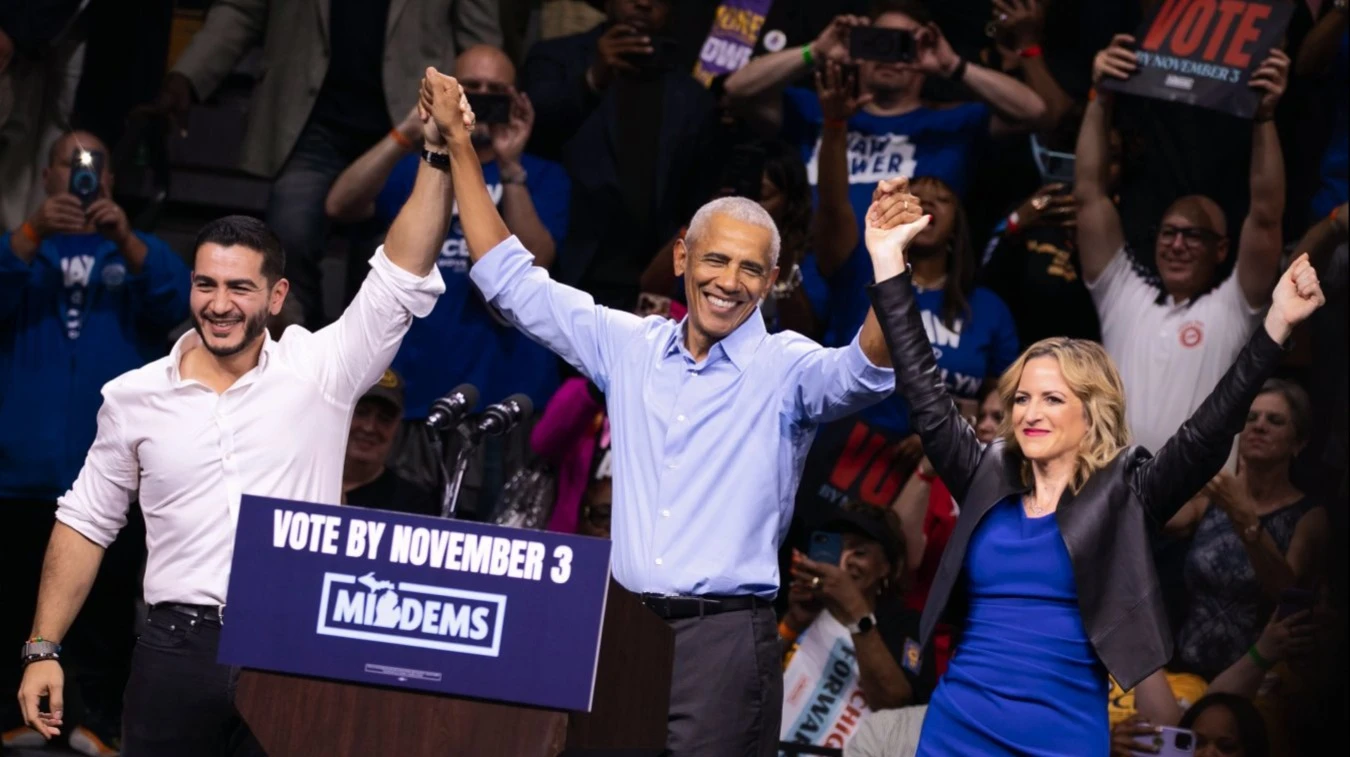
The Democratic Party has regained control of the Senate in the U.S. Congress and is close to winning the House of Representatives / Photo: Faces Portrait/Shutterstock.com
Futures on U.S. stock indices, Asian stocks, and the dollar fell after early results from the U.S. midterm elections indicated that Democrats are likely to gain control of both houses of Congress, according to Bloomberg. In that case, it will be more difficult for President Donald Trump to implement his policies, and fast-growing technology companies— including AI developers—face the prospect of tighter government regulation, the agency explains.
The market is riding the AI boom
Among U.S. index futures, Nasdaq 100 contracts—which have a high concentration of technology companies—saw the sharpest decline: by 10:00 a.m. Astana time, they had fallen 1.6%. S&P 500 futures fell 0.9%, although they had gained 0.5% at the start of trading. Asian indices fell even more sharply: Japan’s Nikkei 225 dropped 3.9%, while South Korea’s Kospi—which had risen as much as 3.2% early in the session—fell 3.3%.
Dilin Wu, a strategist at the brokerage firm Pepperstone, attributes the tech sector’s weakness to more than just the election. “The Democrats’ decisive victory adds uncertainty to the market, especially given the prospect of stricter regulation of companies and closer scrutiny of AI spending,” Bloomberg quotes Diling Wu as saying. “But since tech companies’ valuations are already falling, the election is more likely amplifying existing concerns than triggering the sell-off itself.”
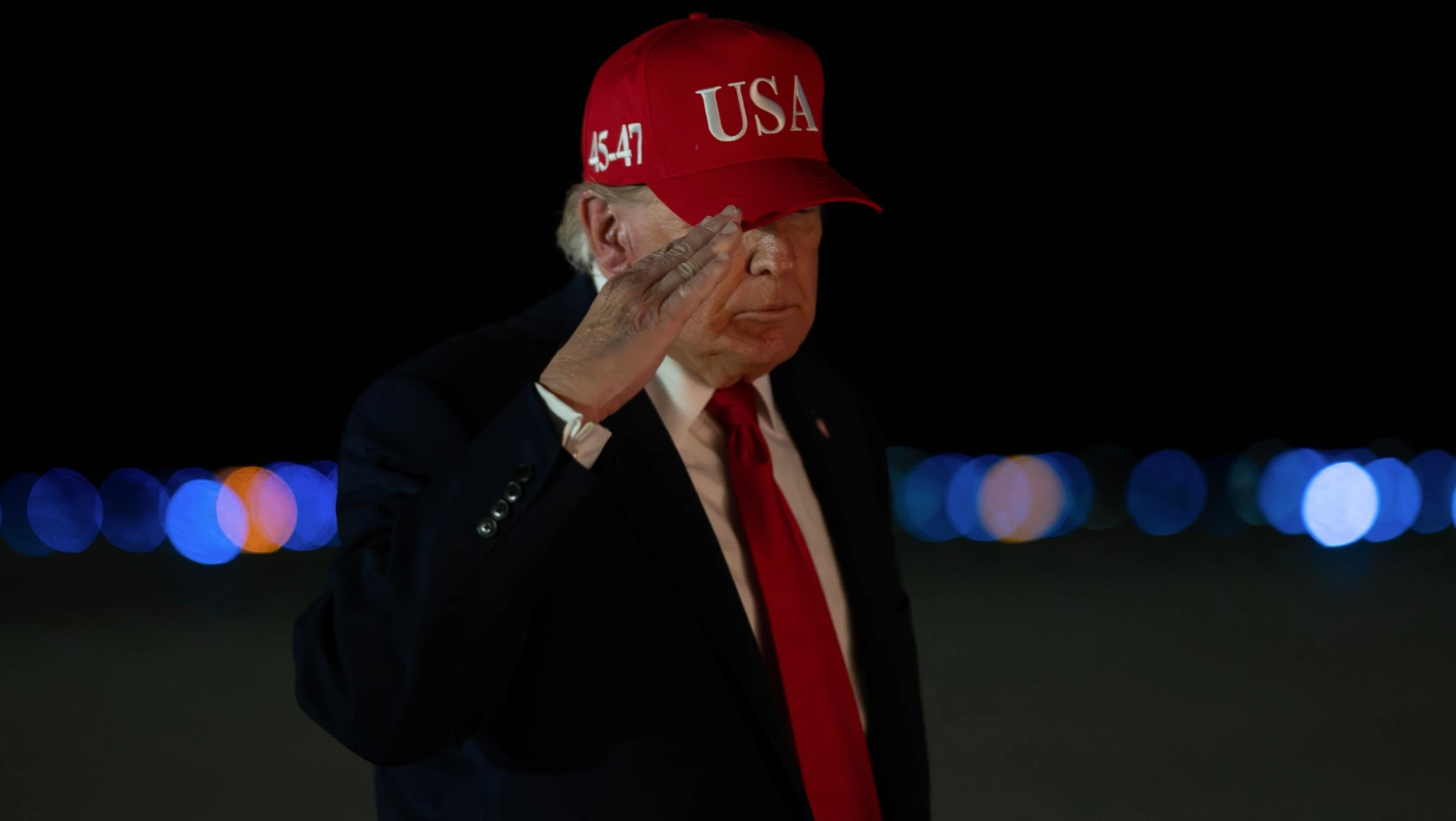
The dollar index fell by 0.4%. David Forrester, senior strategist at Credit Agricole’s investment division in Singapore, calls the U.S. currency’s dependence on the AI boom its “Achilles’ heel,” according to Bloomberg. “If the ‘blue wave’ (a landslide victory for the Democrats—Oninvest) slows down the construction of data centers and undermines the AI boom, it will hit the dollar,” the agency quotes Forrester as saying.
The Republicans lost even in Texas
According to Bloomberg, as of 10:00 a.m. Astana time, the Democrats have secured a majority in the Senate: they hold 51 of 100 seats, while the Republicans currently hold 39. The party won one of those seats in Texas, where Democrat James Talalico defeated Republican Ken Paxton. Talalico will be the first Democrat in three decades to win a statewide election, Bloomberg notes.
CNN predicts that the Democrats will also take control of the House of Representatives, which means the next two years will be marked by a standoff between Congress and Trump. Participants on Polymarket, a betting platform for political outcomes, estimate the Democrats’ chances of winning the House of Representatives at 99.9%. Bloomberg attributes the Democratic Party’s success to voter dissatisfaction with the rising cost of living, which has been exacerbated by the unpopular war in Iran. Republican Trump reacted to his party’s defeat with a post on Truth Social: “I wasn’t on the ballot, and if I had been, we would have won by a HUGE MARGIN!”
In a telephone interview with The Wall Street Journal, he blamed the Republicans’ defeat on the war in Iran and the sharp rise in oil, gasoline, and diesel prices that it caused. At the same time, he emphasized that he does not regret starting the war and “would do it again.” Trump also promised that he would use his veto power when necessary in dealing with the Democrats.
An Opportunity for Bonds and Asia
Unlike stocks, U.S. government bonds (Treasuries) rose in price: the yield on 10-year bonds fell by 1.5 basis points to 4.94%, and the yield on 5-year bonds fell by 2 basis points to 4.72%. Bloomberg attributes this to the fact that Democratic control of the House of Representatives will reduce the likelihood of passing legislation that would increase the budget deficit. Bondholders are concerned about the growth of U.S. national debt, which stands at about $40 trillion, as the government would have to finance new spending and tax breaks through additional borrowing.
When Congress and the White House are controlled by different parties, government spending “will simply be lower than it has been in recent years,” Bloomberg quotes Brij Khurana, a portfolio manager at Wellington Management, as saying. He notes that historically, this balance of power has generally worked in favor of Treasuries.
Bloomberg strategists believe that investors have already taken the outcome of the vote for granted and advise trading in anticipation of its consequences. These consequences should prove to be “positive for undervalued Asian markets, primarily China and South Korea,” they write.
This article was AI-translated and verified by a human editor