U.S. stock indices fell at the opening bell amid a surge in Treasury yields

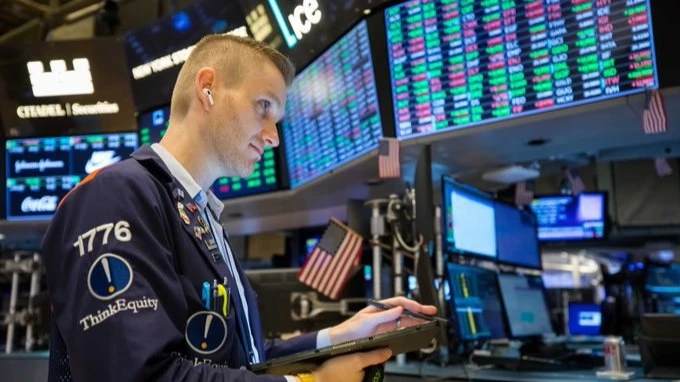
U.S. stocks fell at the opening of trading on August 18 amid a sharp rise in U.S. Treasury yields due to concerns about persistent inflation and high oil prices.
The S&P 500 lost 0.5% in the first few minutes of the session, while the Dow Jones fell about 0.3%. The tech-heavy Nasdaq Composite was hit harder, weighed down by falling shares of chipmakers and other risky assets sensitive to tightening financial conditions. The index fell nearly 1%.
What's Happening with Bonds and Why It Matters
Yields on 30-year U.S. Treasury bonds rose by more than 1 basis point on Tuesday and reached levels not seen in nearly two decades, according to CNBC.
Demand for bonds is falling due to the ballooning federal budget deficit, rising corporate borrowing, and uncertainty surrounding the U.S. Federal Reserve’s monetary policy, Axios explains . At the same time, virtually all loan rates depend to some extent on bond yields, meaning that the cost of borrowing is rising across the entire economy, the publication writes. If the sell-off goes too far, rising interest rates will begin to dampen economic activity, increase unemployment, and could even lead to a recession, Axios believes.
Why has the sell-off intensified right now?
Dan Coatsworth, head of markets at AJ Bell, believes that the failed attempts to end the war in the Middle East have once again brought concerns about inflation and a possible Fed rate hike to the forefront for investors, according to CNBC.
Jim Reed of Deutsche Bank wrote that the sell-off over the past 24 hours did not have any single catalyst, “but since there are almost no signs that the U.S. and Iran are moving toward an agreement, investors have begun to price in a more prolonged closure of the Strait of Hormuz.”
“We believe uncertainty plays a major role here,” Mark Kabana, a bond strategist at BofA Global Research, told Axios. “The refusal [by new Fed Chair Kevin] Warsh to provide the market with guidance—something he seems so intent on—literally comes at a cost. And that cost is higher interest rates and higher costs for taxpayers.”
This article was AI-translated and verified by a human editor