Small caps last week: Iovance ups guidance, Accelevation IPO, Burry boosts SFM stake

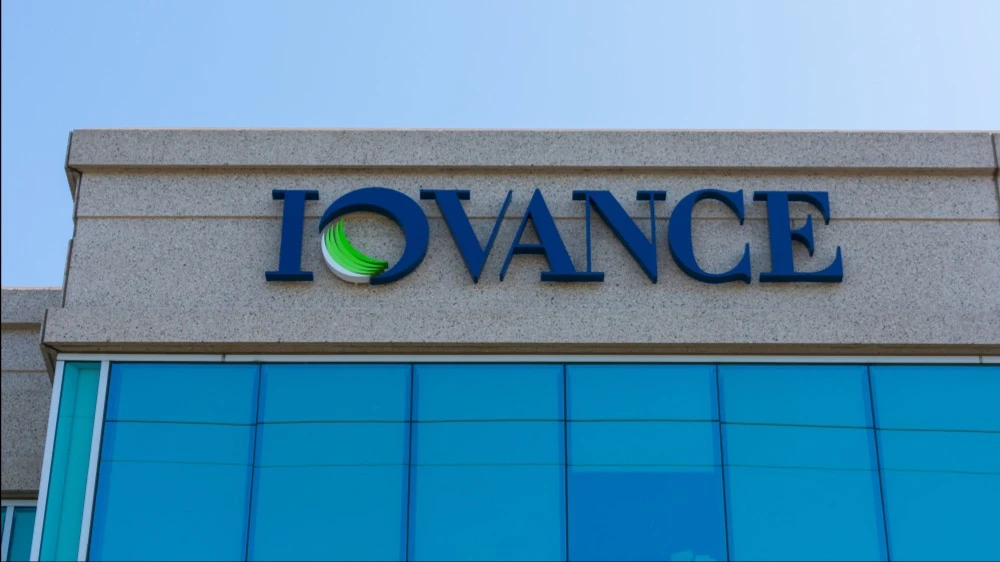
Iovance shares surged after the biotech raised its full-year revenue guidance, thanks to rising demand for a pair of melanoma treatments / Photo: Michael Vi / Shutterstock.com
Last week, biotech Iovance saw its shares jumped 31.5% after the management raised its revenue guidance on strong demand for its melanoma treatments. Meanwhile, data center infrastructure provider Accelevation went public at a valuation of around $4 billion but opened below its IPO price, while Michael Burry added to his position in grocery chain Sprouts Farmers Market, betting on its long-term outlook following a steep selloff. These stories headline our recap of happenings in the small-cap space for the week of September 28-October 2.
Melanoma therapy demand boosts Iovance
Iovance Biotherapeutics raised its 2026 revenue guidance to $410-420 million from $350-370 million, an increase of around 15% at the midpoint. The management attributed the upgrade to strong U.S. demand for Amtagvi and Proleukin. Iovance shares jumped 31.5% on Tuesday to $14.45 apiece.
Amtagvi is a cell therapy for patients with advanced melanoma who have previously received treatment. Immune cells are extracted from the patient’s tumor, multiplied in a laboratory, and infused back into the patient, while Proleukin helps support the cells following infusion. In the second quarter, Iovance’s revenue rose 66% year over year to a record $99.3 million. The company is also testing Amtagvi’s active ingredient against other types of cancer.
Following the guidance upgrade, H.C. Wainwright raised its target price on the stock to $20 from $9 per share. However, the average Wall Street target price of $12.80 per share, according to MarketWatch data, is below Thursday’s close.

Accelevation goes public below target price
Data center infrastructure maker Accelevation priced its IPO at $18 per share, below the targeted range of $20-24 per share. The offering totaled $540 million: the company itself raised $180 million, while shareholder Olympus Partners received another $360 million. The IPO price gave Accelevation a market value of around $4 billion, Bloomberg calculated.
The company manufactures power distribution and cooling systems, as well as other data center infrastructure. The customers listed on its site include Google, Amazon, Microsoft, and Meta. Accelevation’s revenue grew to $447.8 million in 2025 from less than $3 million in 2021. Its order book stood at $1.1 billion as of the end of June.
The market debut was muted, however: Accelevation shares opened on the Nasdaq at $17.55 apiece on Wednesday, 2.5% below the IPO price. Freedom analyst Alem Bektemirov values the stock at $30.40 per share, almost 69% above the IPO price. He cautions that slowing revenue growth could substantially drag on the stock.

Burry adds to Sprouts position after selloff
Michael Burry, the investor portrayed in The Big Short, reported buying more shares of Sprouts Farmers Market, a natural and organic grocery chain. Burry said he paid around $63 per share but did not disclose the size of the transaction. He has been buying the retailer for several months following its plunge from a peak of around $182 per share in June 2025.
Burry attributes the selloff in consumer stocks to rising interest rates, but he is betting on Sprouts’ long-term prospects. He is attracted by its loyal premium customers, high returns, and share buybacks. The business is already facing pressure, however: comparable-store sales fell 1% year over year in the second quarter.
According to MarketWatch data, the stock has 11 “buy” calls, seven “hold” ratings, and two “sell” recommendations. The average target price of $95.40 per share is around a third above the current market price.

Biotech Capricor rises on new trial data
Capricor Therapeutics shares jumped 10.5% on Wednesday to $9.50 apiece. The market was reacting to data presented in Japan from a two-year follow-up of participants in trials of deramiocel, an experimental cell therapy for Duchenne muscular dystrophy. The rare genetic disease causes progressive muscle weakness and primarily affects boys.
An oral presentation on the study results is scheduled for Saturday. The next key date is November 22, the deadline for the FDA to decide whether to approve the therapy. The regulator extended its review to examine additional data and a refined proposed indication focused on preserving upper-limb function.
Regulatory risks remain high: in July, an FDA advisory committee found that the available evidence did not support the therapy’s effectiveness in treating cardiomyopathy associated with the disease. According to MarketWatch data, the stock has six “hold” ratings versus four “buy” calls. That said, the average target price of $33.56 per share implies around 275% upside from Thursday’s close.