U.S. stocks rebounded after two days of declines: Is the AI rally continuing?

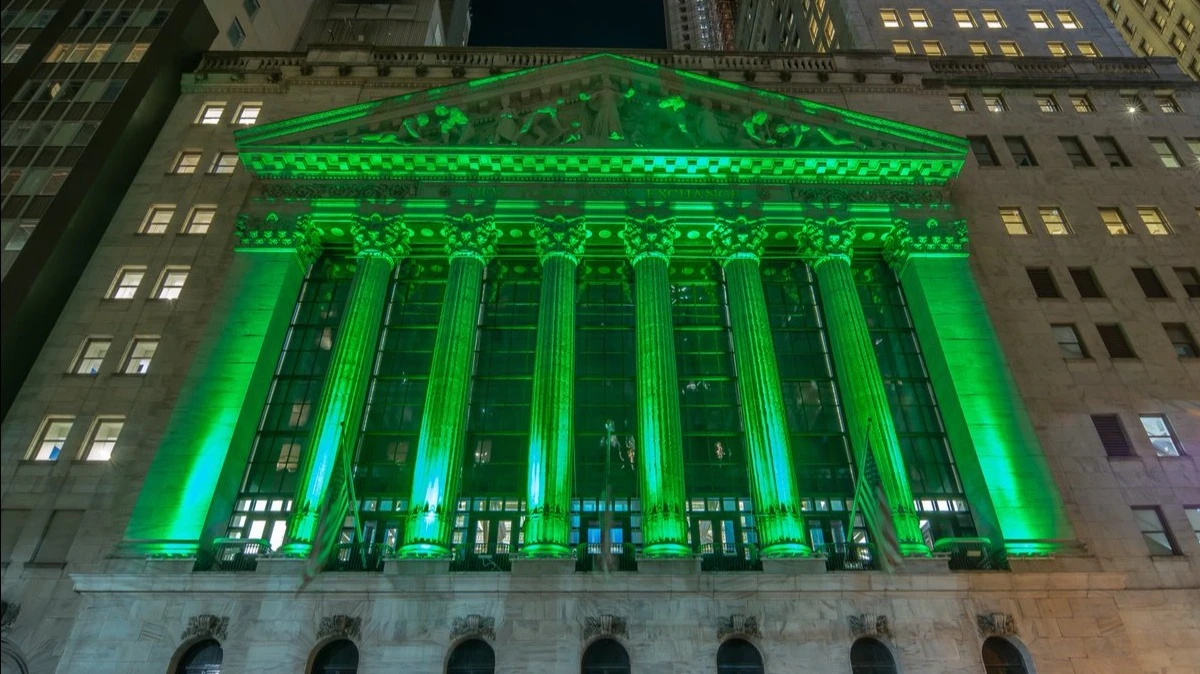
Photo: X/NYSE
Major U.S. stock indices rose at the start of trading on October 9 for the first time after two days of declines. Specifically, the broad-market S&P 500 index rose 0.3%, the blue-chip Dow Jones Industrial Average gained 0.2%, and the tech-heavy Nasdaq Composite climbed nearly 0.4%.
On Friday, shares of the largest chipmakers initially rebounded and supported the market as a whole: buyers stepped in during the pullback, anticipating that the artificial intelligence-driven rally could still continue, according to Bloomberg. However, the trend then turned negative: the PHLX Semiconductor Sector Index shifted from gains to a decline of about 0.2%.
"This 'bull market' will continue, but I'm concerned about how narrow the rally is right now compared to what we've seen in the past. There will come a time when this ends, but it will all depend on corporate earnings growth and forecasts in the U.S.,” said CFRA Senior Investment Strategist Sam Stovall (as quoted by Bloomberg).
In addition, the agency notes that the decline in oil prices provided some relief. At the time of this writing, Brent was down about 0.3%, but had fallen nearly 2% earlier in the day. WTI prices were down 0.1%. This was prompted by a statement from U.S. President Donald Trump that Washington is engaged in “productive negotiations” with Tehran and that the U.S. will not launch strikes against Iran until the midterm congressional elections, which will take place on November 3.
The bull market has been going on for nearly four years: it began on October 12, 2022, and since then, the S&P 500 has risen 117%, Bloomberg noted. Interest rate hikes and spikes in U.S. Treasury yields currently pose risks to the market, Reuters reports. In addition, markets may experience volatility in the run-up to the election, the agency added.
“AI is the defining theme of this ‘bull’ market. Four years later, we can see that easy money was made in the AI sector... As we move forward, there will be more pressure, especially on technology companies, to prove that their spending will actually translate into profits,” said Anthony Saglimbene, senior market strategist at Ameriprise, in a statement to Reuters.
This article was AI-translated and verified by a human editor