Shares of luxury brands have fallen 25% this year. When can we expect a turnaround, and which ones should we bet on?

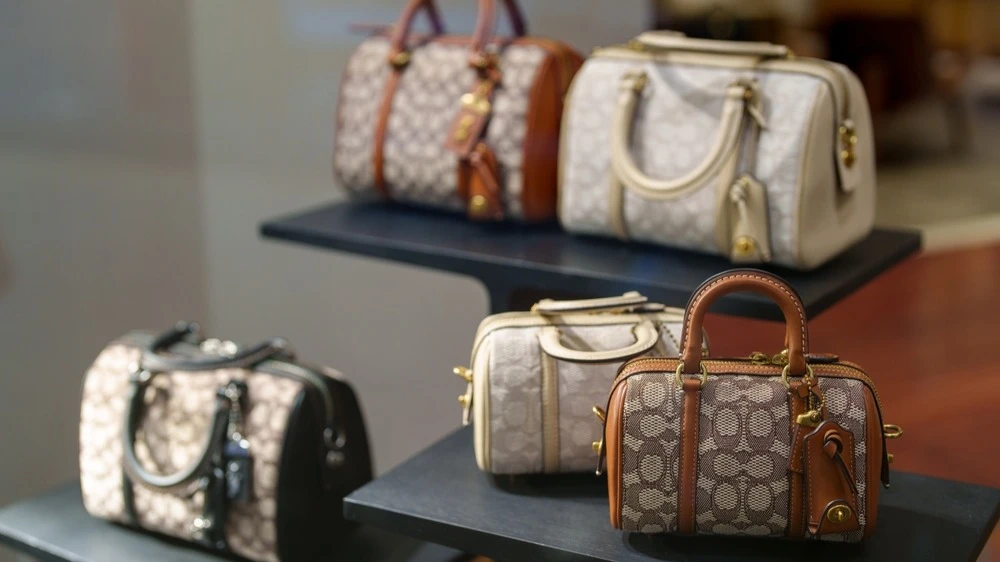
Goldman Sachs expects 2027 to be a turning point for the luxury sector / Photo: TY Lim / Shutterstock
The downturn in the European luxury market has turned out to be much deeper and longer-lasting than investors had anticipated, according to Bloomberg. Since the beginning of the year, the MSCI Europe Textiles, Apparel, and Luxury Goods Index, which tracks the performance of European luxury companies’ stocks, has lost 25%, outpacing even the automotive industry in terms of the rate of decline. Meanwhile, the value of leading players has plummeted by 30–40%.
Against the backdrop of weak demand in China, brands’ reduced ability to raise prices, and a prolonged downturn following the post-pandemic boom, analysts are revising their forecasts, linking a potential recovery to 2027.
What Analysts Are Saying
Goldman Sachs views 2027 as a turning point: after three years of cooling demand, the luxury sector will return to moderate organic growth, according to the investment bank’s analysts. They note that aggressive pricing, a reluctance to change established strategies, and a lack of product innovation—combined with macroeconomic challenges—have slowed sales growth across the entire luxury segment.
“Can the sector return to solid growth? We believe so. First and foremost, because it is gradually eliminating company-specific factors that previously held back growth,” notes Goldman Sachs.
UBS Group is taking a less optimistic view: the bank’s analysts are revising their 2027 forecasts downward. “The conflict with Iran, the slower resolution of companies’ internal problems, and weakening demand over the summer have further delayed the recovery,” the analysts noted. At the same time, UBS still views the downturn as cyclical rather than structural. The bank is most positive about the “hard luxury” segment, that is, watch and jewelry manufacturers, favoring Richemont, which owns Cartier, and Watches of Switzerland—UBS has assigned “bullish” ratings to these companies.
Morgan Stanley analysts see additional challenges in “luxury fatigue,” the growing popularity of the secondary market, and a shift in consumer interest toward spending on health and longevity. “Against the backdrop of deteriorating macroeconomic conditions and a prolonged downturn in the luxury sector, which is facing structural challenges, we see virtually no room for growth in valuation multiples over the next 12 months,” the bank’s analysts stated.
Analysts suggest investing in companies that cater to affluent customers whose wealth is growing thanks to the artificial intelligence boom. It is precisely this perspective that underpins the bank’s recommendations to buy shares in Ferrari, Richemont, and Brunello Cucinelli.
Hopes for a recovery driven by Chinese demand have not yet materialized, as evidenced by the weak statistics from “Golden Week”—the period of national holidays in China that typically marks the peak of consumer activity. Analysts at Berenberg have characterized the problems in this market as structural rather than temporary. The bank emphasizes that the consensus forecast and many companies still expect Chinese consumers to remain a key driver of global growth well into the 2030s. Because of this, the risks of a downward revision to the sector’s overall forecasts remain high, Berenberg added.
What's Happening in the Luxury Market
The current crisis in the luxury market has driven the valuations of the industry’s once-dominant leaders to their lowest levels in 12 years, according to Bloomberg. Shares of LVMH and Hermès have fallen 40% this year. In September, LVMH ceded its status as France’s most valuable company to L’Oréal and is now trading at a record 30% discount not only to the luxury sector as a whole but also to the “fast fashion” giant Inditex, which owns brands such as Zara and Massimo Dutti. Hermès’ premium over the sector is also rapidly shrinking: in just 1.5 years, it has plummeted from 100% to 22%, Bloomberg reports.
On Monday, October 12, LVMH will kick off the third-quarter earnings season for European luxury goods manufacturers. Wall Street expects organic growth to slow across the sector, the agency warns.
However, there are some encouraging signs. As an example, Bloomberg cites the privately held company Chanel, whose sales soared 16% in the first half of the year. This stands in sharp contrast to competitors in the “soft luxury” segment, such as LVMH, and is closer to the recovery currently being seen among “hard luxury” manufacturers, the agency notes.
This article was AI-translated and verified by a human editor