Where to Invest $1,000 Amid the AI Stock Sell-off: Snacks, Medical Technology, and Real Estate


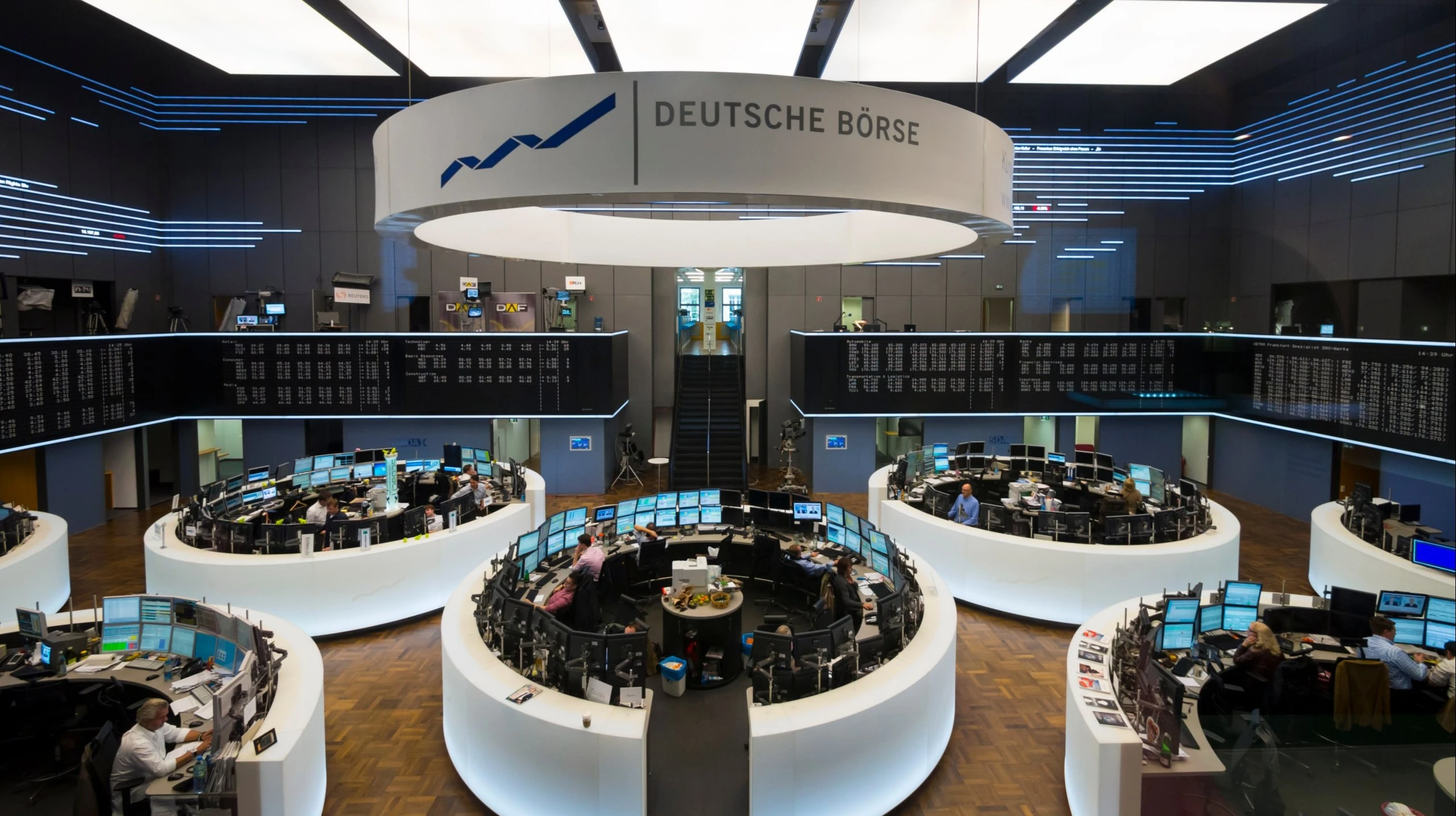
An analyst at Freedom Finance Global has selected three promising companies from different sectors amid the tech stock crash / Photo: Stockinasia / Shutterstock.com
In October, the leaders on the U.S. market changed. The “Magnificent Seven” stock fund lost 4.5%, while funds tracking consumer staples and healthcare stocks rose by about 10%. The gains extended beyond defensive sectors: more than 70% of S&P 500 stocks rose in price over the month, even though the index itself fell by 0.9%, Reuters noted. Tech giants are spending more and more on artificial intelligence, while investors are skeptical that these investments will pay off and are turning their attention to companies with more predictable cash flows.
The stock sell-off intensified following the Democrats’ victory in the U.S. elections, including in states that are important for data center locations. During the trading session on November 5, the Nasdaq Composite fell 5.5%.
Against this backdrop, it’s worth taking a closer look at companies outside the technology sector that have their own drivers of growth and value recovery, according to Georgy Timoshin, a financial analyst at Freedom Finance Global. He has selected three stocks from different sectors, but cautions that their defensive nature does not mean the stocks themselves are low-risk.
John B. Sanfilippo & Son (NASDAQ ticker: JBSS)
A manufacturer of nuts, nut-and-fruit mixes, and snack bars. The main investment thesis is the expansion of contract manufacturing and the potential for a return to profitability.
In the first quarter of fiscal year 2027, revenue from contract manufacturing declined by 2.7% to $24.7 million, although sales volume increased by 41.3% year-over-year. Georgy Timoshin believes that the development of protein snacks, increased utilization of new production capacity, and a revision of selling prices expected in January–February 2027 could serve as additional drivers. John B. Sanfilippo & Son’s free cash flow could support a reduction in capital expenditures: the company expects approximately $48 million in fiscal year 2027, compared to $88.1 million a year earlier. However, pressure on margins persists for now, so the focus is on a gradual business recovery rather than a rapid improvement in results.
Freedom has a “Buy” rating on the company’s stock with a price target of $79. This is nearly 45% higher than the stock’s closing price on November 5. According to MarketWatch, the company’s stock has received two “Buy” recommendations in total. The average target price of $94 is 72% higher than the most recent closing price.
Saul Centers (NYSE: BFS)
Saul Centers is a real estate investment trust that owns neighborhood shopping centers, mixed-use properties, and rental housing. The business’s defensive characteristics stem from the retail portfolio’s focus on tenants that meet shoppers’ everyday needs.
At the end of the second quarter, the occupancy rate for shopping centers stood at 95.7%, and their comparable net operating income increased by 3.6% year-over-year. Additional growth potential comes from the move-in of new residential properties and the Twinbrook Quarter and Hampden House projects reaching a stable level of income. According to Freedom, dividends are a key argument in favor of the stock: a yield of over 8% per annum provides cash income while investors await the realization of the company’s growth potential. The main risks are related to weakness in the office segment, the cost of financing, and the concentration of properties in the Washington–Baltimore region, where the fund generates over 85% of its net operating income from real estate, Timoshin notes.
Freedom has assigned a "Buy" rating to Saul Centers shares with a price target of $39. This implies a 35% increase from the closing price on November 5.
Inogen (NASDAQ: INGN)
Inogen manufactures respiratory care equipment, specifically portable oxygen concentrators. The investment thesis is based on international expansion, growing sales through medical equipment distributors, and expanding the product line.
In the second quarter, Inogen’s revenue rose 3%, international sales increased 14.8%, and the gross margin rose from 44.8% to 45.5%. However, the company continued to report a net loss of $3.9 million. As of the end of June 2026, cash, securities, and restricted cash totaled $106.8 million, and the company had no outstanding debt.
The company lowered its revenue forecast for 2026 from $366–373 million to $355–361 million. However, it reported raising its adjusted EBITDA guidance to approximately $4 million, thanks to improved gross margin and cost control. This demonstrates the potential for increased efficiency even amid moderate sales growth, notes Timoshin.
However, according to Freedom, the shift from direct sales to patients to a partnership model and the downsizing of the rental business are creating uncertainty. Therefore, Inogen represents a riskier transformation story within the healthcare sector rather than a classic defensive play.