Won't Be Able to Turn a Profit: Wizz Air Warns of Difficulties Due to Rising Fuel Prices
"Most people expected the war [in the Middle East] to be over by now, and for fuel prices to return to normal. That hasn't happened," said the head of the carrier

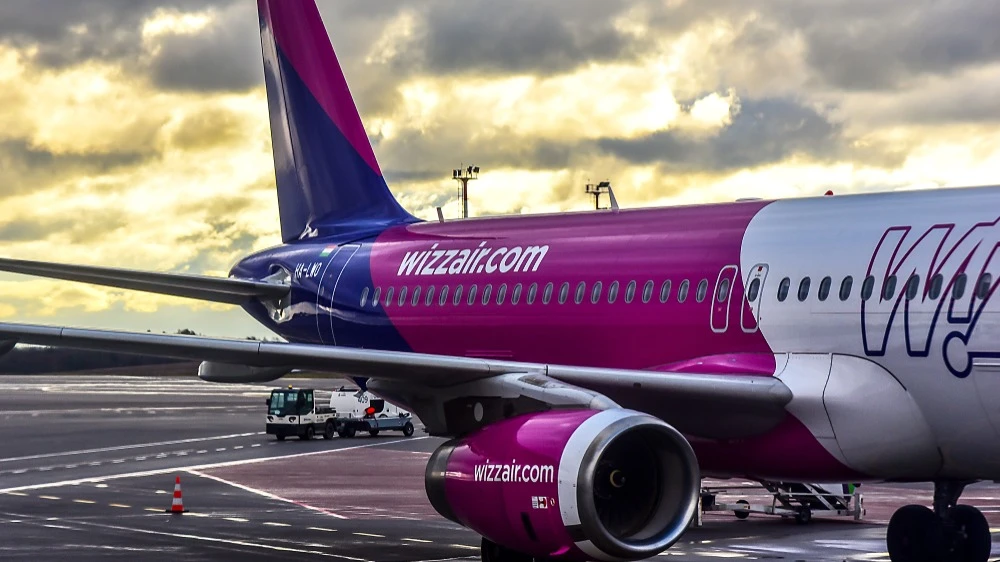
Wizz Air Reports Quarterly Losses and Expects a Challenging Year / Photo: Vytautas Kielaitis / Shutterstock
Hungarian airline Wizz Air reported a quarterly loss and warned that, despite strong booking figures, high jet fuel costs due to the war in Iran are eroding margins, according to the Financial Times. “I don’t think we’ll be able to turn a profit for the full fiscal year,” said the company’s CEO, József Varadi.
The company's shares fell by more than 5% during trading in London on August 6; at the time of publication, they were down about 4%. Since the beginning of the year, they have fallen by about 14%.
Details
Wizz Air reported a loss of €198 million ($229 million) for the first quarter of fiscal year 2027, which ended on June 30. A year earlier, during the same period, the company posted a profit of €38.4 million. This shift was due to Wizz Air’s high fuel costs and additional expenses associated with operating underloaded aircraft on certain routes, according to the Financial Times.
The airline’s revenue for the reporting period rose 5.5% year-over-year to €1.51 billion, falling slightly short of analysts’ forecasts of €1.54 billion, according to Bloomberg. In the coming weeks, the airline also expects “steady demand” for its flights: “Judging by the summer, we’ll make good money during this period,” said the airline’s CEO.
However, according to Varadi, this will not help the airline fully offset its costs: “I don’t think we’ll manage to turn a profit for the full fiscal year,” he told the FT. “I think it’s fair to say that most people expected the war [in the Middle East] to be over by now, and for fuel prices to return to normal. That’s not happening,” he added.
In light of this, Wizz Air has revised its revenue and non-fuel expense forecast for the first half of its 2027 fiscal year: both figures are now projected to be lower than previously anticipated, the newspaper reports. Wizz Air declined to provide a forecast for the remainder of the fiscal year, which for the low-cost carrier runs from March 2026 through the end of April 2027.
“The industry faced extreme volatility in the June quarter due to the conflict in the Middle East, high fuel prices, and changes in booking patterns,” Varadi said. “Although we continue to see growth in the number of advance bookings, the remainder of the year is expected to bring both industry challenges and strategic opportunities,” he anticipates.
What Analysts Are Saying
The company fell short of its profit forecasts due to an inaccurate estimate of fuel costs and weaker-than-expected revenue, according to Morgan Stanley analysts. Their views are cited by Bloomberg. The airline’s new forecast offers little comfort due to uncertainty surrounding ticket prices, fuel costs, and excess capacity during the winter season, they wrote.
The low-cost carrier is also facing maintenance issues with Pratt & Whitney engines, according to Bloomberg: based on the company’s latest report, 27 Airbus SE aircraft in Wizz Air’s fleet remain grounded.
Overall, S&P Global analysts are divided in their views on Wizz Air shares: eight experts who track the company’s stock recommend holding, while the same number recommend selling. Another five advise buying. The average target price for Wizz Air shares implies a 13% increase from the latest closing price.
Context
For airlines, rising fuel costs have been the main topic of the earnings season. Wizz had previously stated that the war in Iran reduced the company’s profit for the last fiscal year, which ended in March, by €50 million, virtually wiping it out. According to Argus Media, jet fuel prices doubled at their peak following the outbreak of the war in the Middle East, reaching approximately $1,800 per metric ton. Although prices had fallen back to around $1,170 by August, they remain above $800—the price per metric ton of jet fuel prior to the war, according to the FT.
As a result, some airlines are lowering their annual forecasts, Bloomberg noted. For example, British Airways’ parent company, IAG SA, has scrapped its growth plans for this year, while Air France-KLM has lowered its passenger capacity forecast, and Deutsche Lufthansa has warned of increased uncertainty, as fuel price volatility and shorter booking cycles (people are now buying tickets much closer to the departure date rather than in advance) are hampering efforts to boost profits.
This article was AI-translated and verified by a human editor